
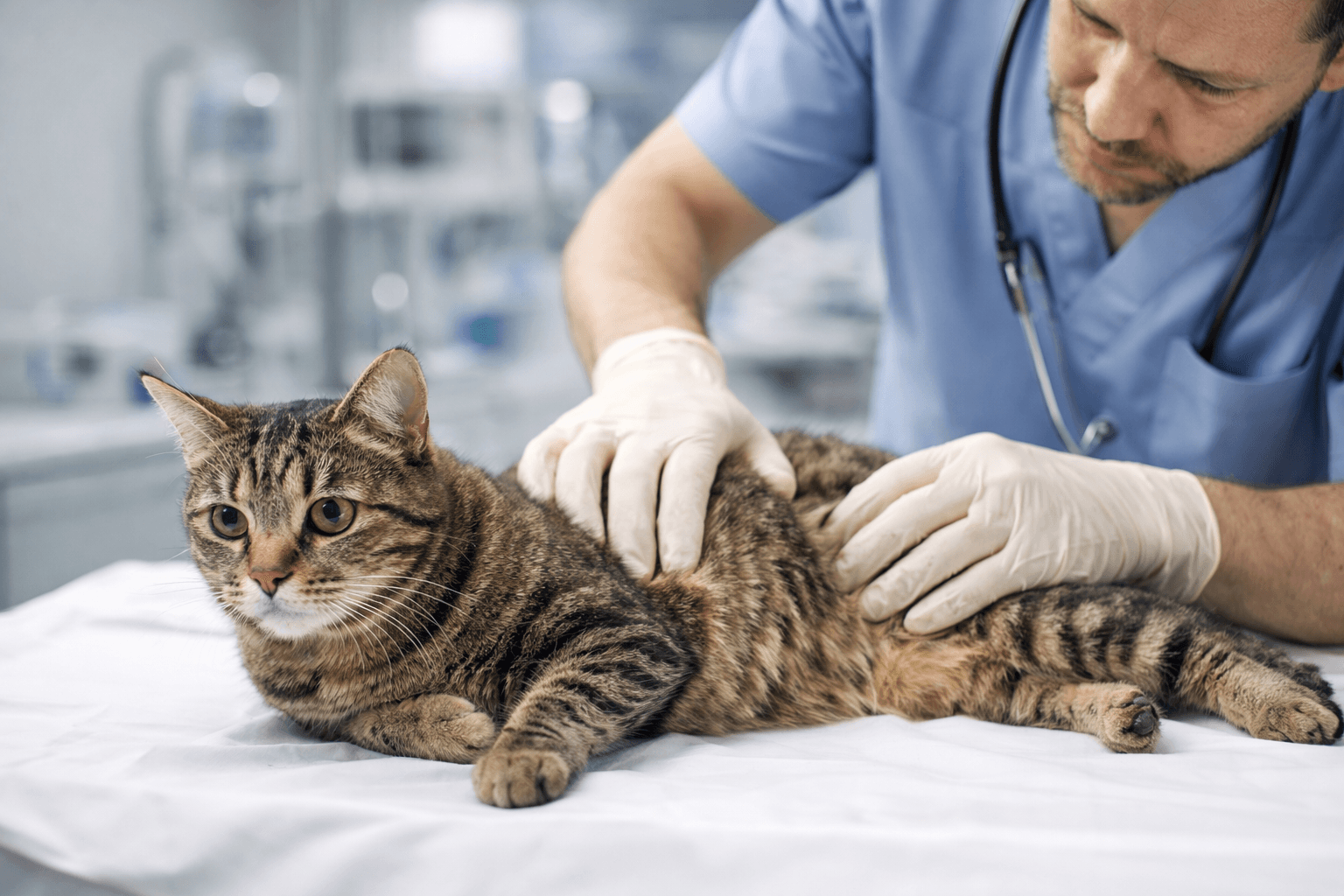
Pyometra in cats is a life-threatening uterine infection that every cat owner must understand. This serious condition usually affects unspayed female cats and can progress quickly from mild signs to a true medical emergency. Without fast surgery, cat pyometra can lead to sepsis, kidney failure and death.
In this complete vet-approved guide, you’ll learn what pyometra is, how it develops, the early and advanced symptoms, diagnosis, treatment options, survival rate and – most importantly – how to prevent it. If you ever suspect pyometra, this article will help you recognize the danger and act fast.
Important: This guide is for education only and does not replace a physical exam by your veterinarian. If your cat shows any symptoms of pyometra described below, treat it as an emergency and see a vet immediately.
What Is Pyometra in Cats?
pyometra literally means “pus in the uterus.” After repeated heat cycles without pregnancy, the uterine lining becomes thickened and more sensitive to hormones. Bacteria from the vagina can then move up into the uterus, multiply and create a pocket of pus. The result is a severe cat uterus infection that can burst or spread toxins through the bloodstream.
Because this infected uterus sits inside the abdomen, it can quietly poison the cat’s body. Many owners mistake the early signs of cat pyometra for “just being tired,” a stomach upset or a minor cold. That’s why understanding this condition is so important.
Types of Pyometra in Cats: Open vs Closed
Veterinarians divide pyometra into two main types, depending on whether the cervix is open or closed.
Open pyometra in cats
- The cervix is partially open.
- Pus can drain from the uterus out through the vagina.
- Owners may notice vulvar discharge that is creamy, yellow, brown, bloody or foul-smelling.
- The cat may still be eating and walking around, so the emergency is sometimes underestimated.
With open pyometra in cats, the discharge is actually a “warning sign” that something is badly wrong. However, the infection is still inside the body and can turn fatal if surgery is delayed.
Closed pyometra in cats
- The cervix is completely closed.
- All the pus is trapped inside the uterus.
- No discharge is seen outside the body.
- The uterus can become hugely enlarged and may even rupture.
Closed pyometra is even more dangerous because there are fewer visible signs for owners to notice. Toxins build up in the bloodstream, causing fever, shock and collapse. Many cats with closed pyometra arrive at the vet hospital critically ill.
Why Pyometra in Cats Is a True Emergency
Some pet parents ask whether cat pyometra can be treated with antibiotics alone. The answer is almost always no. Once the uterus is filled with pus and toxins, medication cannot cure the problem. The infected organ must be surgically removed.
If pyometra is not treated quickly, it can lead to:
- Septicemia (bacteria in the bloodstream)
- Kidney damage and toxin build-up
- Severe dehydration, vomiting and collapse
- Rupture of the uterus and fatal peritonitis
Because this condition progresses quickly, vets consider pyometra an emergency similar to other life-threatening pet emergencies. The best chance of survival is rapid diagnosis and surgery before the cat becomes too weak.
Which Cats Are at Risk of Pyometra?
Any unspayed female cat can develop pyometra, but some are at higher risk:
- Middle-aged to older queens (typically over 5 years old)
- Cats that have never had kittens
- Cats that experience repeated heat cycles without mating
- Cats given certain hormone injections to suppress heat
- Cats with a history of uterine or vaginal infections
Because pyometra often appears a few weeks after heat, owners sometimes think their cat is “moody after being in season.” In reality, those hormonal changes are what allow the infection to develop.
Spaying (ovariohysterectomy) removes the uterus and ovaries and is the only reliable way to completely prevent cat pyometra. Later in this guide we will explain how early spaying dramatically reduces the risk of this and other serious diseases, and how it fits into your cat’s overall long-term health plan.
Early Symptoms of Pyometra in Cats
Knowing the early pyometra in cats symptoms can literally save your cat’s life. Signs can be subtle at first and easily confused with other conditions such as simple vomiting or stress.
- Mild fever or just “feeling warm”
- Reduced appetite or picky eating
- Lethargy – sleeping more, not wanting to play
- Drinking more water than usual and peeing more often
- Occasional vomiting or soft stools
With open pyometra, you may also see:
- Creamy, yellow, brown or bloody discharge from the vulva
- Hair around the tail constantly dirty or wet
- The cat frequently licking under the tail
If your cat is unspayed and has been in heat within the last 1–2 months, never ignore these early signs. They may be the first warning of a dangerous cat uterus infection.
Advanced Symptoms of Pyometra in Cats
As pyometra progresses, the toxins and infection begin to affect the whole body. These advanced symptoms mean your cat is in critical danger and must see a vet immediately.
- High fever or sometimes abnormally low temperature
- Severe depression – hiding, not responding, weak or wobbly walking
- Refusal to eat or drink
- Continuous vomiting and diarrhea
- Distended, painful abdomen
- Fast breathing, fast heart rate
- Collapse, pale gums, signs of shock
Cats with closed pyometra may show extreme abdominal pain with no obvious discharge. In some cases the uterus can rupture, causing pus to leak into the abdomen and leading to fatal peritonitis.
If your cat ever shows these signs, don’t search for home remedies. Use your nearest emergency clinic or your trusted vet immediately. You can also review the general emergency first aid guide for cats and dogs, but professional surgery is the only true treatment for pyometra.
How Vets Diagnose Pyometra in Cats
Your veterinarian will combine a full physical examination with several diagnostic tests to confirm pyometra and rule out other conditions like simple intestinal disease, kidney failure or chronic kidney disease.
History and physical exam
- Age and reproductive status of the cat (spayed or unspayed)
- Recent heat cycles or mating history
- Changes in appetite, drinking, urination and behaviour
- Presence and appearance of any vaginal discharge
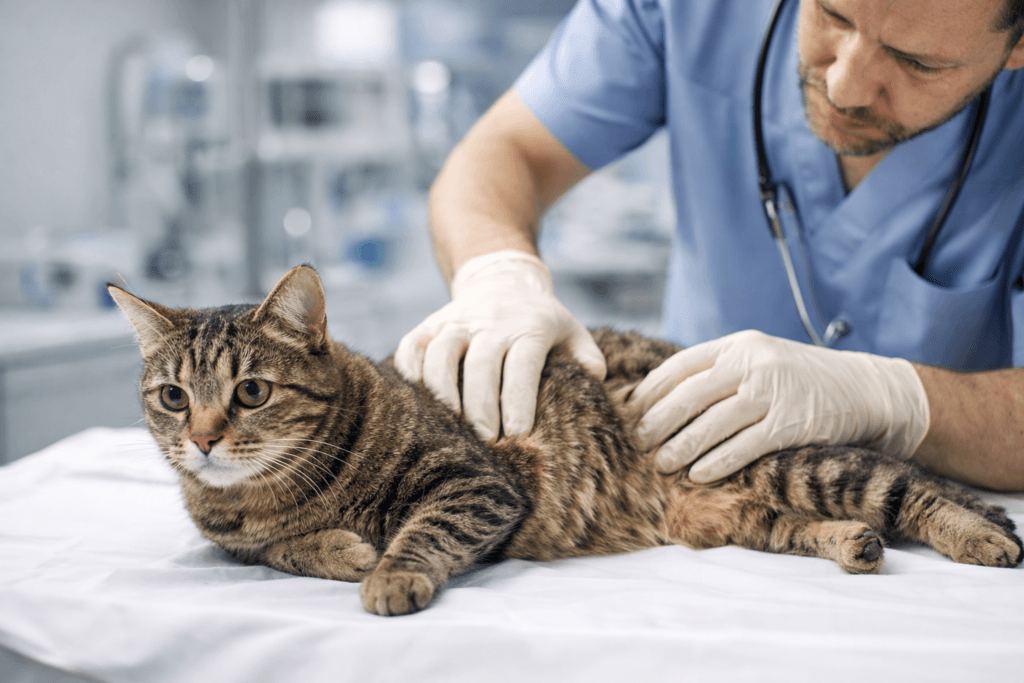
- Palpation of the abdomen to feel an enlarged, fluid-filled uterus
Laboratory tests
- Blood tests: high white blood cell count, dehydration, kidney parameter changes and electrolyte imbalance are common in pyometra in cats.
- Urine tests: may show concentrated urine or secondary kidney issues.
Imaging
- Abdominal ultrasound is the most useful tool. It shows a distended, fluid-filled uterus typical of cat pyometra.
- X-rays (radiographs) can also reveal an enlarged uterus, especially in closed pyometra.
These tests help your vet confirm the diagnosis, assess how sick your cat is overall and plan safe anesthesia and surgery.
Treatment for Pyometra in Cats
The gold standard treatment for pyometra is emergency surgery to remove the infected uterus and ovaries. This operation is similar to a routine spay, but it is more complex because the cat is already ill and the uterus is very enlarged and fragile.
Emergency ovariohysterectomy (spay surgery)
- The cat is stabilized with intravenous fluids, pain relief and antibiotics.
- Under general anesthesia, the vet carefully removes the pus-filled uterus and both ovaries.
- The abdomen is flushed with sterile fluids to reduce contamination.
- Postoperative monitoring, fluids and medications continue until the cat is stable.
Once the infected uterus is removed, the source of toxins is gone. Most cats that survive surgery and the first 24–48 hours recover very well and can go on to live a normal life.
Can pyometra in cats be treated without surgery?
Medical treatment (using hormones like prostaglandins plus strong antibiotics) has been tried in some breeding animals, but it carries a high risk and a high rate of recurrence. For pet cats, veterinarians strongly recommend surgery as the safest and most effective treatment for pyometra.
Trying to treat cat pyometra with antibiotics alone, home remedies or “waiting to see” is extremely dangerous and often leads to rupture of the uterus and death.
What Is the Best Antibiotic for Pyometra in Cats?
Owners often ask about “the best antibiotic for pyometra.” Your vet may use broad-spectrum injectable antibiotics such as amoxicillin-clavulanate, cephalosporins or fluoroquinolones based on your cat’s condition and local resistance patterns. These drugs help control the infection but do not replace surgery.
Because pyometra is a severe deep uterine infection, using leftover tablets at home or giving incomplete courses of medication is not safe. Always follow your vet’s instructions for any antibiotic therapy, especially after surgery.
Pyometra Surgery in Cats: Cost, Risks and Recovery
The cost of surgery for pyometra in cats varies widely between countries and clinics. It is usually higher than a routine spay because it is an emergency procedure requiring intensive care, intravenous fluids, blood tests and close monitoring.
Possible surgical risks include:
- Complications from anesthesia in very sick or older cats
- Bleeding during surgery
- Accidental rupture of the fragile uterus
- Postoperative infection or delayed wound healing
However, leaving pyometra untreated is far more dangerous. When the operation is performed early and by an experienced veterinarian, the prognosis is generally good.
After surgery, most cats require several days of rest, pain medication, antibiotics and careful monitoring at home. We will cover home care and survival rates in the next part of this guide.
If your cat has already been diagnosed with pyometra or you are worried about vague symptoms such as lethargy, vomiting or strange discharge, you can quickly arrange professional help using our online vet consultation service. A real veterinarian will guide you on the next safest step.
Survival Rate and Prognosis for Pyometra in Cats
The survival rate for pyometra depends mainly on how early the condition is diagnosed and treated.
- Early, stable cases: when surgery is performed before severe sepsis or organ failure, most cats recover well.
- Advanced cases: cats with kidney damage, shock or a ruptured uterus have a more guarded prognosis.
- Closed pyometra generally has a poorer outcome than open pyometra because the disease is often recognized later.
Prompt recognition of pyometra cat symptoms and rapid surgery give your pet the best chance. After recovery, the cat is permanently protected from future uterine infections because the uterus and ovaries are removed.
Home Care After Pyometra Surgery
Once your cat comes home after surgery for pyometra, careful nursing will speed healing:
- Provide a warm, quiet room away from other pets and children.
- Use an Elizabethan collar or soft recovery suit to stop licking at the incision.
- Give all prescribed pain relief and antibiotics exactly as instructed.
- Check the incision daily for redness, swelling, discharge or missing stitches.
- Contact your vet if your cat stops eating, vomits repeatedly, or seems very painful or depressed.
Many cats begin to eat better and act brighter within a few days once the source of infection is removed. Within two weeks most are back to normal activity.
How to Prevent Pyometra in Cats
The only reliable way to prevent pyometra is to spay your cat before the disease develops. Routine ovariohysterectomy removes the uterus and ovaries, so the infection simply cannot occur.
Early spaying also helps prevent mammary tumors and unwanted pregnancies and can make it easier to manage behaviours related to heat. Talk to your veterinarian about the best age to spay in your region, and how it fits alongside your cat’s vaccination schedule, parasite control plan and overall preventive care.
If your cat is not yet spayed and has recently been in heat, monitor her closely. Any increase in thirst, lethargy, vomiting or vulvar discharge should be checked by a vet, as these may be early pyometra cat symptoms.
When to Worry and See a Vet
Contact your vet or an emergency clinic immediately if you notice:
- Smelly yellow, brown or bloody discharge from the vulva
- Unspayed female cat acting very tired or depressed
- Drinking much more water than usual
- Vomiting, diarrhea or a swollen, painful belly
- Any collapse, breathing difficulty or pale gums
You can also use your regular vet or our online symptoms checker as a quick guide. But remember: if you suspect pyometra in cats, it is always safer to treat it as an emergency.
Cat Pyometra FAQ – Quick Answers from a Veterinarian
What is pyometra in cats?
pyometra is a severe, often life-threatening infection of the uterus. Bacteria and pus build up inside the uterine horns, releasing toxins into the bloodstream. Without surgery to remove the uterus, cat pyometra can quickly become fatal.
Can cats get pyometra even if they are young?
Yes. While most cases of pyometra occur in middle-aged or older queens, young unspayed females can also be affected, especially if they have repeated heat cycles or have had hormone injections to suppress heat.
How long can a cat live with pyometra?
There is no safe “waiting period.” Once pyometra develops, the condition can deteriorate within days. Some cats may die within 24–48 hours if the uterus ruptures or if septic shock develops. Immediate veterinary treatment is essential.
Is pyometra in cats contagious?
No, pyometra is not contagious to other cats, dogs or people. It is caused by bacteria that take advantage of hormonal changes in the individual cat’s uterus. However, multiple unspayed females in the same household all share similar risk factors.
Can a cat get pregnant after pyometra?
In almost all pet cats, treatment for pyometra involves spaying, so pregnancy is no longer possible. Even in rare cases where medical therapy is attempted, fertility may be reduced and the risk of recurrence is high. For most families, safely saving the cat’s life is more important than future breeding.
Is there anything I can do at home for cat pyometra?
No home remedy can cure pyometra in cats. You can keep your cat warm, calm and hydrated during the journey to the vet, but surgery is the only real cure. Delaying treatment while trying home options greatly reduces the chance of survival.
Vet’s Final Thoughts
pyometra is one of the most dangerous reproductive emergencies we see in veterinary practice. The good news is that with early recognition and prompt surgery, many cats make a full recovery and go on to live long, healthy lives.
Knowing the early pyometra cat symptoms, monitoring unspayed females after heat and planning timely spaying are the three most powerful actions you can take to protect your pet. Never hesitate to contact your vet if you feel something is wrong – you know your cat better than anyone.
Get Deeper Vet-Approved Help for Your Pet
📘 Dog & Cat Health Guidebook – Written by a Veterinarian
Want all of our vet-approved guides in one place? Our downloadable dog and cat health guidebooks explain common diseases, first aid, nutrition and preventive care in simple language so you can confidently care for your pet at home.
🚑 Worried Your Cat Might Have Pyometra?
If your cat is showing any of the symptoms in this article, do not wait. Speak directly with a veterinarian for urgent guidance.






3 Comments