

Pyometra in dogs is a life-threatening uterine infection that affects unspayed female dogs, usually in middle age or later. It develops when the uterus fills with pus under the influence of hormones and bacteria. Without rapid veterinary treatment, pyometra can lead to sepsis, kidney failure, shock and death. The good news is that with early recognition and fast treatment, many dogs make a full recovery.
This vet-approved guide explains what pyometra is, why it happens, which dogs are at highest risk, how to recognise early warning signs and what treatment and prevention options exist. It is written for dog owners who want clear, practical information so they can protect their female dogs from this emergency condition. If you also live with cats, you may want to read about pyometra in cats as well, since the disease can affect both species.
What Is Pyometra in Dogs?
The word “pyometra” literally means “pus in the uterus”. After each heat cycle, a dog’s uterus normally goes through hormonal changes to prepare for pregnancy, even if she is not actually pregnant. Under the influence of progesterone the uterine lining thickens, the cervix stays mostly closed and the normal muscular contractions of the uterus are reduced. These changes make it easier for bacteria to grow and harder for the body to clear them. Over time, fluid and inflammatory cells accumulate in the uterus, leading to infection and a build-up of pus. This entire process is what we call pyometra.
Most cases of pyometra develop a few weeks after a heat cycle, typically between two and eight weeks after the bleeding stops. The infection is usually caused by common intestinal or vaginal bacteria such as E. coli that take advantage of the hormonally altered uterus. Once established, the infection can quickly spread into the bloodstream and make the dog very sick. For a more detailed medical explanation of the disease process, veterinary professionals often refer to resources such as the Merck Veterinary Manual.
Which Dogs Are at Risk of Pyometra?
Pyometra in dogs can develop in any intact (unspayed) female dog, but some are at much higher risk than others. Important risk factors include the following.
- Unspayed female dogs: Only dogs that still have their uterus and ovaries can get pyometra. Spayed females (those that have had an ovariohysterectomy) are protected.
- Age: pyometra is most common in middle-aged to older bitches, typically over six years of age, but it can occur in young adults after just one or two heat cycles.
- Repeated heat cycles without pregnancy: Every heat cycle exposes the uterus to high levels of progesterone. Over many cycles the uterine lining becomes thicker and more cystic, making infection more likely.
- Hormonal medications: Use of synthetic progesterone or oestrogen to prevent heats, treat false pregnancy or manage other conditions can increase the risk of pyometra.
- History of uterine or vaginal infections: Dogs with previous endometritis, metritis or vaginal infections may be more prone to developing pyometra later.
- Certain breeds: Any breed can be affected, but pyometra is reported more often in breeds such as Rottweilers, Golden Retrievers, Cavalier King Charles Spaniels, Collies and Bernese Mountain Dogs, likely because they are popular and often kept intact for breeding.
Because so many unspayed dogs are at risk, every owner of an intact female should know the warning signs of pyometra and treat any illness that occurs after a heat cycle as potentially serious until a veterinarian has ruled this condition out. For general emergency guidance while you arrange a vet visit, you may also find it helpful to review an emergency first aid guide for dogs and cats.
Open vs Closed Pyometra in Dogs
Veterinarians often classify pyometra as either “open” or “closed”. This describes whether the cervix (the opening between the uterus and the vagina) is open enough for pus to drain out.
- Open pyometra: The cervix is partially open and infected material can drain from the uterus through the vagina. Owners often see a smelly discharge on the fur under the tail, on bedding or on the floor. Because some pus can escape, the uterus may not become extremely distended, but the dog is still very sick and at risk of sepsis.
- Closed pyometra: The cervix is fully closed, trapping pus inside the uterus. This is extremely dangerous. The uterus can swell to several times its normal size and may even rupture, spilling infection into the abdomen and causing life-threatening peritonitis. Dogs with closed pyometra in dogs often look more ill than those with open pyometra, but there is no visible discharge, which makes it easier for owners to miss.
Both types of pyometra are emergencies. If you notice a foul vaginal discharge in an unspayed dog after a heat cycle or your dog becomes suddenly unwell at this time, contact your veterinarian immediately.
Early Signs and Symptoms of Pyometra in Dogs
At the very beginning, symptoms of pyometra can be subtle. As the infection progresses, they become much more obvious. Early recognition gives your dog the best chance of a full recovery.
General Early Signs
- Mild to moderate lethargy or “just not herself”.
- Reduced appetite or skipping meals.
- Drinking more water than usual and urinating more frequently.
- Slight abdominal discomfort or reluctance to jump.
Signs of Open Pyometra in Dogs
- Foul-smelling discharge from the vulva that may be bloody, brown, yellow or creamy.
- Constant licking of the vulva.
- Wet or stained fur under the tail and on the hind legs.
- Discharge on the dog’s bed or where she has been lying.
Signs of Closed Pyometra in Dogs
With closed pyometra there is usually no visible discharge, so owners must rely on more general illness signs. These dogs often appear much sicker than those with open pyometra.
- Severe lethargy, weakness or depression.
- Vomiting and sometimes diarrhoea.
- Refusal to eat for more than one day.
- Increased thirst and large volumes of urine.
- Swollen or painful abdomen.
- Fever or, in very advanced cases, abnormally low body temperature.
- Rapid heart rate and breathing rate.
Because these signs mimic many other serious conditions such as pancreatitis, kidney failure or haemorrhagic gastroenteritis, veterinarians always keep pyometra high on the list when an unspayed female becomes sick, especially shortly after a heat. Some dogs may show signs that overlap with issues like vomiting in dogs or acute diarrhoea, which is why a full veterinary examination is so important.
Why Pyometra in Dogs Is an Emergency
pyometra is far more than “just” an infection. The toxins released by bacteria and the inflammatory reaction in the uterus affect the entire body. Without fast treatment, pyometra in dogs can lead to:
- Sepsis: Bacteria and toxins enter the bloodstream, leading to a body-wide inflammatory response, dangerous low blood pressure and organ failure.
- Kidney damage: pyometra commonly causes reduced kidney function and difficulty concentrating urine, which is why many affected dogs drink and urinate more.
- Uterine rupture: In closed pyometra, the distended uterus can tear, spilling infected material into the abdomen and causing fatal peritonitis.
- Blood clotting problems: Severe infection can affect clotting factors, increasing the risk of bleeding during surgery.
- Death: Even with treatment, pyometra can be fatal if diagnosed late or if the dog has other health problems.
Because of these risks, pyometra is always treated as an emergency. If your veterinarian says that your dog needs surgery as soon as possible, it is not to scare you; it is because the condition truly is life-threatening.
How Vets Diagnose Pyometra in Dogs
Your vet will start by taking a detailed history and performing a full physical examination. Be prepared to answer questions such as when your dog last came into heat, whether she has been bred, what medications she receives and how her behaviour and appetite have changed. This information is very important because pyometra usually appears within two months of a heat cycle.
Typical Diagnostic Steps
- Physical examination: Many dogs with pyometra have a fever, dehydration, abdominal pain and an enlarged uterus that can sometimes be felt through the abdominal wall.
- Blood tests: A complete blood count and biochemistry profile help assess dehydration, infection severity, kidney function and the presence of systemic inflammation. White blood cell counts are often very high, but in extreme cases may be low if the body’s reserves are exhausted.
- Urinalysis: Examining the urine helps evaluate kidney health and rule out urinary tract infection as the sole cause of symptoms.
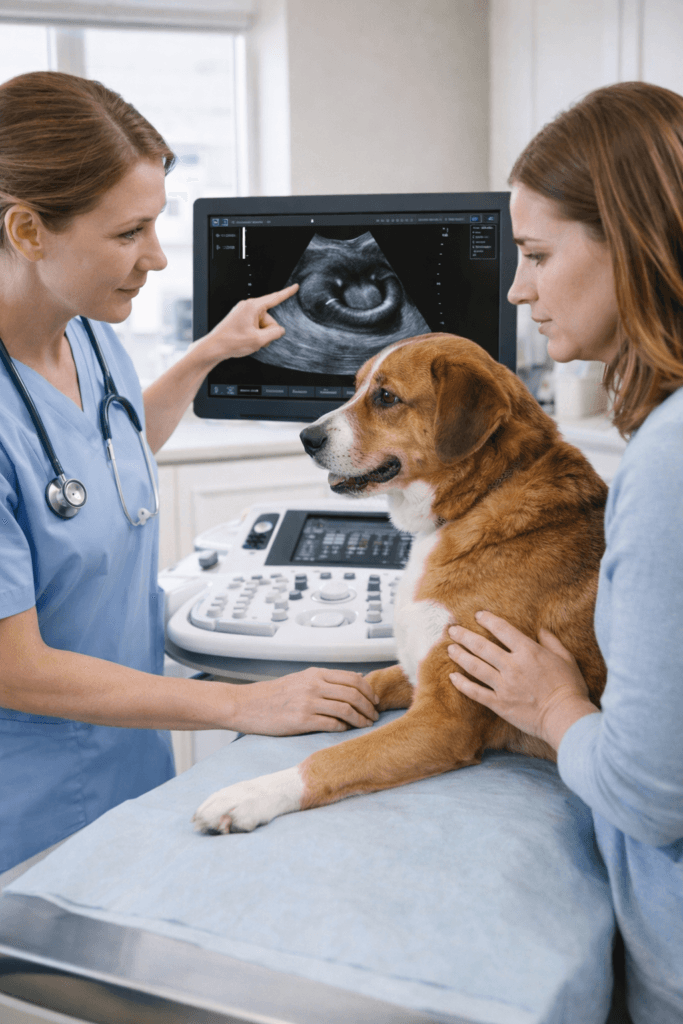
- Imaging (ultrasound or X-rays): Abdominal ultrasound is the most useful tool for diagnosing pyometra. It allows the vet to visualise a fluid-filled enlarged uterus and distinguish it from pregnancy or other masses. X-rays are also helpful if the uterus is very distended.
- Vaginal examination: In open pyometra in dogs, the vet can often see pus or discharge at the vulva or in the vagina.
These tests not only confirm pyometra but also guide treatment decisions and help your veterinarian estimate the risks associated with anaesthesia and surgery. Veterinary teaching hospitals such as Cornell University College of Veterinary Medicine provide detailed explanations of these diagnostic steps for pet owners who want to read further.
Treatment Options for Pyometra in Dogs
The main treatment for pyometra is emergency surgery to remove the infected uterus and ovaries. This procedure is an ovariohysterectomy, similar to a routine spay but far more complex because the dog is already ill and the uterus is enlarged and fragile. Medical therapy with antibiotics and hormones is sometimes attempted in carefully selected breeding dogs, but it carries a high risk of failure and recurrence. For most pets, surgery is clearly the safest and most effective option.
Stabilising the Dog Before Surgery
Dogs with pyometra are often dehydrated, in shock or suffering from kidney compromise by the time they reach the clinic. Before surgery, your vet will usually stabilise your dog with:
- Intravenous fluids to correct dehydration and support blood pressure.
- Broad-spectrum intravenous antibiotics to start controlling the infection.
- Pain relief and anti-nausea medications.
- Oxygen support and careful monitoring of heart rate, blood pressure and temperature.
In very severe cases, additional treatments such as plasma transfusions or medications to support blood pressure may be needed. Once your dog is stable enough, the surgical team will proceed with removal of the uterus.
Surgical Treatment for Pyometra in Dogs
During surgery for pyometra the veterinarian makes an abdominal incision, carefully isolates the enlarged uterus and ligates the blood supply to both ovaries and the body of the uterus. Great care is taken not to rupture the pus-filled uterus. The entire uterus and both ovaries are removed together. The abdomen may be flushed with sterile fluid before closure, especially if there is any concern that infection has leaked. Many of the surgical principles used are similar to those described in international guidelines from organisations such as the World Small Animal Veterinary Association (WSAVA).
Because dogs with pyometra are already sick and the uterus is fragile, the surgery takes longer and carries more risk than a routine spay. However, in experienced hands it is highly successful, especially when performed before rupture or severe sepsis have developed.
Medical (Non-Surgical) Management
Non-surgical treatment of pyometra in dogs involves the use of prostaglandins and other medications to open the cervix and cause uterine contractions, combined with strong antibiotics. This approach is generally reserved for valuable breeding bitches where future fertility is essential and the dog is stable enough for intensive monitoring. Even in these cases, there is a significant risk of treatment failure, recurrence of pyometra in future heat cycles and serious complications. For most family pets, veterinarians strongly recommend surgical removal of the uterus rather than medical therapy.
Recovery After Surgery for Pyometra in Dogs
Many owners are surprised at how quickly their dog feels better after successful surgery for pyometra. Once the infected uterus is removed and antibiotic treatment continues, dogs often show improved appetite and energy within a day or two, although full recovery takes longer.
What to Expect in the Days After Surgery
- Hospitalisation for monitoring, pain control and continued intravenous fluids for one to several days depending on how sick the dog was.
- Transition to oral antibiotics and pain medications at home.
- A large but clean abdominal incision with skin sutures or staples that must be kept dry and protected with an Elizabethan collar.
- Restricted exercise for 10 to 14 days until the incision has healed.
- Recheck appointments to remove sutures and re-evaluate blood work or kidney values if they were abnormal before surgery.
The overall prognosis for pyometra is generally good if the condition is diagnosed early and surgery is performed before rupture or severe sepsis occurs. Very old dogs, those with serious underlying diseases or dogs presented late in the course of illness have a more guarded prognosis, but many still recover with intensive care.
A Real-Life Example
An eight-year-old mixed-breed dog called Bella was brought to General Veterinary Hospital Lahore with a history of recent heat, lethargy, intense thirst and a foul-smelling discharge from her vulva. Ultrasound confirmed open pyometra, and Bella underwent emergency ovariohysterectomy the same day. After a short hospital stay on fluids, antibiotics and pain relief she went home bright, comfortable and eating well. Her case is a good reminder that recognising the signs of pyometra early and seeking prompt veterinary care can be life-saving.
How to Prevent Pyometra in Dogs
The most reliable way to prevent pyometra in dogs is to spay your female dog by performing an ovariohysterectomy before she reaches middle age. This removes the uterus and ovaries, eliminating both the source of infection and the hormonal changes that predispose to disease.
- Discuss the ideal timing of spaying with your veterinarian, as recommendations vary depending on breed, size and regional guidelines.
- If you choose to keep your dog intact for breeding, work closely with your vet, avoid unnecessary hormonal medications and monitor her carefully after every heat cycle for signs of illness.
- Treat vaginal infections, urinary tract infections and other reproductive issues promptly to reduce the bacterial load around the reproductive tract.
Remember that once a dog has had pyometra and has been treated medically rather than surgically, the risk of recurrence in later heat cycles is extremely high. For that reason, most vets still recommend spaying after the dog has finished breeding. For broader information on reproductive health and routine surgeries, you can explore client resources from veterinary universities or trusted sites such as the American Veterinary Medical Association (AVMA).
When to Seek Emergency Help for Pyometra in Dogs
Contact your veterinarian or the nearest emergency clinic immediately if your unspayed female dog shows any of the following signs, especially within two months of a heat cycle:
- Smelly discharge from the vulva, especially if the dog seems unwell.
- Marked increase in thirst and urination with lethargy.
- Vomiting, diarrhoea or refusal to eat for more than 24 hours.
- Swollen or painful abdomen.
- Collapse, severe weakness or rapid breathing.
Do not wait to see if these signs improve on their own. pyometra can deteriorate very quickly, and early treatment makes a huge difference to survival. If you are unsure whether your dog’s symptoms are urgent, you can compare them with our guides on vomiting in dogs and dog diarrhoea and home treatment, but always err on the side of calling your vet.
Need Personalised Advice About Pyometra in Dogs?
Every dog and every situation is different. If you are worried about your unspayed female dog, wondering about the safest age to spay or deciding what to do after an episode of pyometra, it is best to speak directly with a veterinarian who can review your pet’s full history.
Worried About Your Dog’s Reproductive Health?
If you have questions about pyometra, spaying, heat cycles or emergency symptoms, you can discuss them with a vet from the comfort of your home. Our practical dog and cat health guidebooks and online consultations are designed to give you clear, step-by-step support.
pyometra is frightening, but you are not alone. By understanding the risk factors, recognising early signs and working closely with your veterinary team, you can give your dog the best possible chance of a long, healthy life.
This article is for general information only and does not replace an in-person examination by a licensed veterinarian. If you suspect pyometra in dogs or any other emergency, seek veterinary care immediately.







This breakdown of how hormonal changes after each heat cycle set the stage for pyometra is really helpful, especially since many dog owners don’t realize the condition can develop even when a dog seems healthy at first. I appreciate the emphasis on early warning signs—so many cases progress quickly because the initial symptoms look mild. It’s a good reminder to take any post-heat lethargy or increased thirst seriously and get a vet check right away.
Thanks for the thorough breakdown of pyometra— it’s one of those conditions where early recognition really can make the difference between a full recovery and a tragic outcome. I especially appreciated the reminder about how hormonal changes after heat cycles create the perfect environment for infection, which helps explain why spaying is such a crucial preventive step. It’s also reassuring to see the emphasis on the urgency of treatment, as so many pet owners might not realize how quickly this condition can escalate.