
What to Expect at the Veterinary Visit
Understanding the typical diagnostic path for feline weight loss helps set expectations before you go in. Your veterinarian will usually start with a thorough physical exam and a detailed history, including exactly how long the weight loss has been happening, any diet changes, and how appetite has behaved throughout. Bloodwork typically follows, checking thyroid hormone levels, kidney and liver values, and blood glucose, since these cover the majority of common causes in one panel. A fecal exam checks for parasites, and depending on findings, further testing like abdominal ultrasound or specific viral testing may be recommended to narrow things down further. Because so many possible causes share the same basic symptom, weight loss alone rarely leads to an instant diagnosis; it’s a process of testing systematically rather than guessing, which is exactly why prompt veterinary involvement, rather than a wait-and-see approach at home, gets to an answer faster and with less risk to your cat.
Quick Answer: If your cat is losing weight, it may be due to reduced food intake, parasites, stress, dental pain, or serious diseases like hyperthyroidism, diabetes, kidney disease, or chronic infections. Weight loss in cats is never normal and should always be investigated, especially if your cat is eating normally or more than usual.
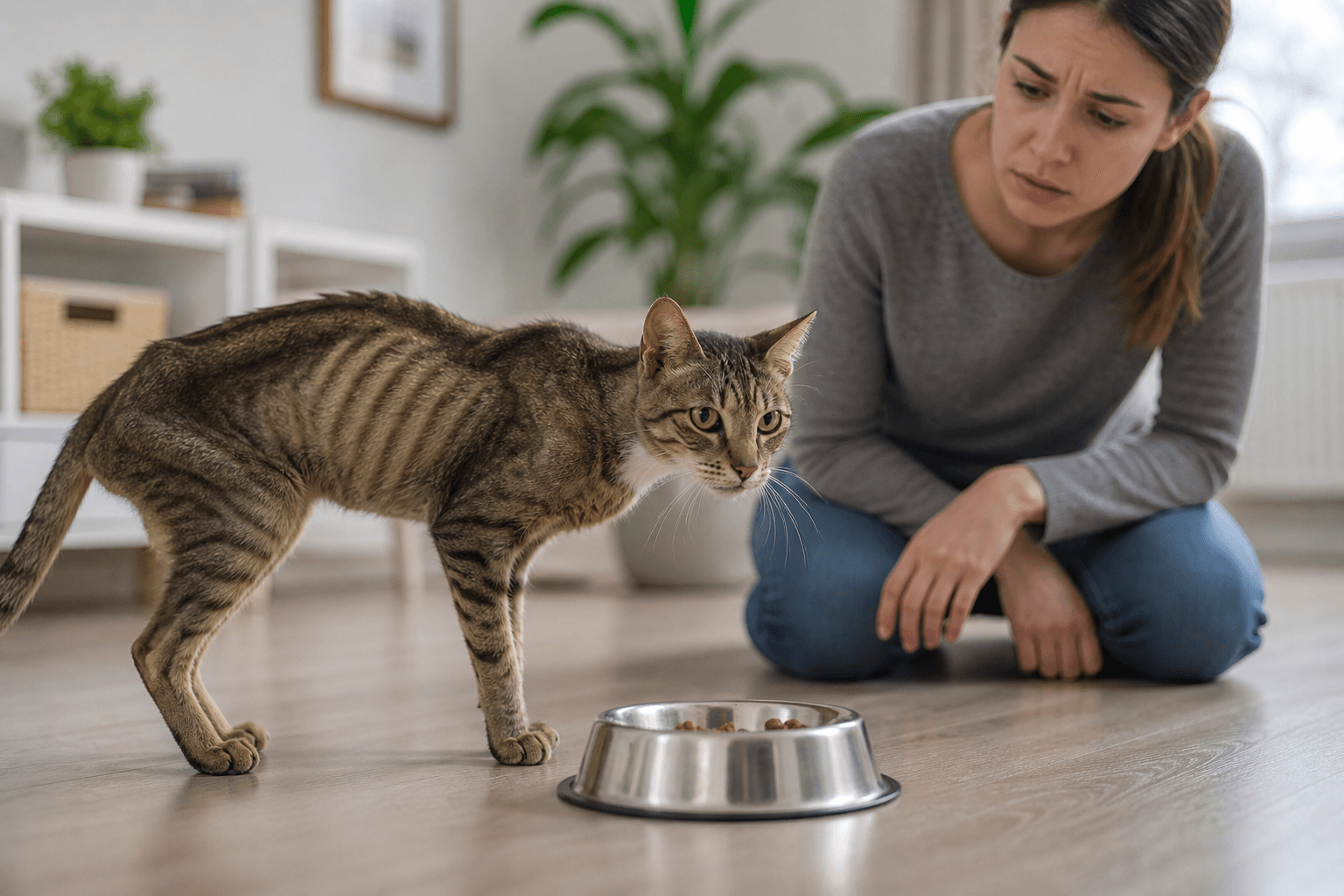
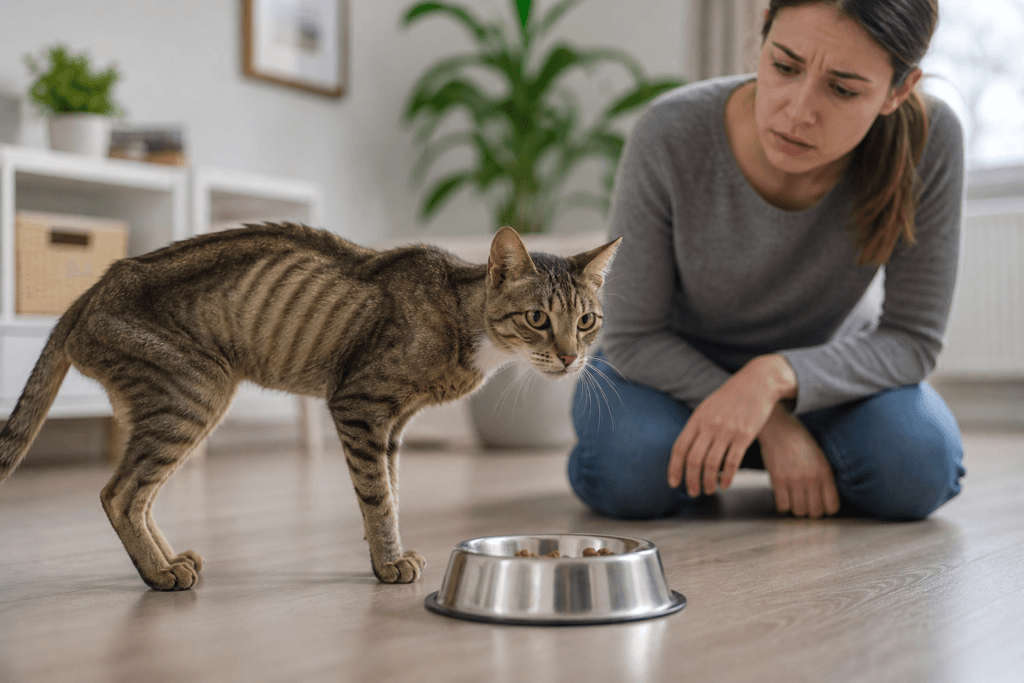
Cat losing weight is one of the most important warning signs in feline health. Many owners notice it late because cats hide illness very well. A cat losing weight may still appear active, playful, and even eat normally, but inside the body, serious conditions may already be developing. In some cases, cat losing weight is due to simple reasons like reduced appetite or diet issues. In other cases, it may be linked to thyroid disease, diabetes, kidney problems, parasites, or chronic infections.
At General Veterinary Hospital Lahore, we frequently see cases where owners say, “Doctor, he is eating well but becoming thinner.” This is a critical red flag. A cat that is eating but still losing weight often has an underlying metabolic or systemic disease that requires proper diagnosis and treatment.
This guide will help you understand the real causes of weight loss in cats, how to identify early warning signs, what you can monitor at home, and when immediate veterinary care is needed.
Is Weight Loss Normal in Cats?
No, unintentional weight loss is never considered normal in cats. Even small, gradual weight loss can indicate a problem. Cats are naturally good at hiding disease, so by the time weight loss becomes visible, the condition may already be advanced.
Weight loss is especially concerning in:
- Indoor cats with stable routines
- Senior cats
- Cats eating normally but losing weight
- Cats with vomiting, diarrhea, or increased thirst
Common Causes of Cat Losing Weight
Poor nutrition, reduced intake
Diarrhea, parasites, malabsorption
Hyperthyroidism, diabetes
Kidney disease, infections
1. Reduced Food Intake
The most obvious cause of weight loss is simply eating less food. This may happen due to stress, food change, illness, dental pain, or environmental changes.
If your cat is not eating properly, this should be evaluated quickly. You can also read more about this in our guide on why is my cat not eating.
2. Eating Normally but Still Losing Weight
This is one of the most important warning signs. When a cat eats well but continues losing weight, it usually means the body is not using nutrients properly or is burning energy abnormally fast.
Common causes include:
- Hyperthyroidism
- Diabetes
- Chronic infections
- Parasites
This situation should never be ignored.
3. Hyperthyroidism
Hyperthyroidism is a common disease in older cats where the thyroid gland becomes overactive. This increases metabolism, causing the cat to burn energy rapidly.
Typical signs include:
- Weight loss despite increased appetite
- Hyperactivity
- Increased thirst
- Vomiting
- Restlessness
More details can be found in our guide on hyperthyroidism in cats.
4. Diabetes in Cats
Diabetes can also cause weight loss even when the cat eats normally or more than usual. The body cannot properly use glucose, leading to energy loss.
Signs include:
- Increased thirst
- Frequent urination
- Weight loss
- Weakness
Learn more in our detailed guide on diabetes in cats.
5. Kidney Disease
Kidney disease is very common in older cats and can cause gradual weight loss over time. The kidneys lose their ability to filter waste, leading to toxin buildup and reduced appetite.
Common signs include:
- Weight loss
- Increased drinking
- Frequent urination
- Vomiting
- Dull coat
You can understand this condition in detail in our guide on cat kidney disease.
6. Parasites
Internal parasites such as worms can cause weight loss, especially in young cats or cats with outdoor access. Parasites consume nutrients or damage the digestive system.
Signs include:
- Weight loss
- Diarrhea
- Bloated abdomen
- Dull fur
7. Digestive Disorders
Conditions affecting the digestive system can prevent proper absorption of nutrients. Even if the cat eats well, nutrients are not utilized properly.
These include:
- Chronic diarrhea
- Pancreatitis
- Inflammatory bowel disease
Related reading: pancreatitis in cats and cat diarrhea causes and treatment.
8. Dental Problems
Dental pain can make it difficult for cats to chew food properly. Some cats appear to eat but actually consume very little due to pain.
Watch for:
- Bad breath
- Drooling
- Difficulty chewing
- Eating slowly
9. Chronic Infections
Long-term infections can lead to gradual weight loss. These may include viral infections or bacterial diseases affecting internal organs.
These cases often require laboratory testing for diagnosis.
10. Stress and Behavioral Causes
Stress can reduce appetite and lead to gradual weight loss. Changes such as moving house, new pets, or environmental disruption can affect eating behavior.
However, stress should only be considered after ruling out medical causes.
Signs That Weight Loss Is Serious
- Eating normally but losing weight
- Vomiting or diarrhea
- Increased thirst
- Weakness or lethargy
- Muscle loss
- Behavior change
If any of these signs are present, veterinary evaluation should not be delayed.
How to Check Weight Loss at Home
You may not always have a scale, but you can monitor body condition:
- Feel ribs — should be palpable but not very prominent
- Check spine — visible spine indicates weight loss
- Look at waistline — excessive narrowing is abnormal
- Monitor appetite and activity
Weighing your cat regularly is the best method to track changes.
What You Can Do at Home
If weight loss is mild and your cat is otherwise normal, you can try:
- Provide high-quality balanced diet
- Ensure fresh food availability
- Reduce stress factors
- Monitor food intake closely
- Encourage hydration
However, these steps should not replace veterinary care if weight loss continues.
When to See a Veterinarian
Frequently Asked Questions
Why is my cat losing weight but eating normally?
This often indicates metabolic diseases like hyperthyroidism or diabetes and requires veterinary testing.
Is weight loss in older cats normal?
No, weight loss in senior cats is usually linked to disease and should always be investigated.
Can stress cause weight loss?
Yes, but medical causes must be ruled out first.
Final Thoughts
Cat losing weight should always be taken seriously. Even if your cat appears active, weight loss is often a sign that something is wrong internally. A cat losing weight while eating normally is especially concerning and often linked to underlying disease.
Weight Loss With Increased Appetite: A Distinct Pattern Worth Knowing
One of the most clinically useful distinctions in feline weight loss is whether it happens alongside a normal appetite, a reduced one, or, counterintuitively, an increased one. A cat losing weight while eating more than usual is a specific, recognizable pattern most often linked to hyperthyroidism or diabetes, both of which speed up metabolism or prevent the body from properly using the calories a cat is consuming. This combination, weight loss plus a hungrier-than-normal cat, often surprises owners who assume a thinner cat must automatically be eating less, which is exactly why it gets missed for longer than it should. By contrast, weight loss paired with a reduced or picky appetite more often points toward IBD, dental pain, or a chronic infection affecting overall wellbeing. Telling your veterinarian specifically how your cat’s appetite has changed, not just that weight loss is happening, meaningfully narrows the diagnostic possibilities from the very first visit.
Other Serious Causes Worth Ruling Out
Beyond the classic hyperthyroidism-diabetes-kidney disease trio, a few other causes deserve mention since they’re sometimes overlooked in an initial workup. Feline leukemia virus can cause gradual, unexplained weight loss well before more dramatic symptoms appear, which is part of why testing is recommended for any cat with unexplained weight changes and an unknown viral status. Intestinal parasites, while often thought of as a kitten problem, can also cause weight loss in adult cats, particularly those with any outdoor access. Dental disease is another frequently underestimated cause; a cat in significant mouth pain often continues eating just enough to survive while genuinely struggling with every bite, making the appetite look deceptively normal to a casual observer even as weight steadily drops.
Monitoring Your Cat’s Weight at Home
Because gradual weight loss is genuinely difficult to notice just by looking at your cat day to day, especially in longer-haired breeds where a thinning frame can hide under a full coat, a simple home routine helps catch changes early. Weighing your cat monthly on a kitchen scale (holding your cat and subtracting your own weight works fine for most home scales) and keeping a running note of the numbers turns a vague impression into concrete data your veterinarian can actually use. A loss of even 5-10% of body weight over a few months is clinically meaningful and worth a vet visit, even if your cat still seems bright and active otherwise, since cats are notably skilled at masking illness until it becomes advanced.
At General Veterinary Hospital Lahore, early diagnosis plays a key role in successful treatment. Many conditions causing weight loss can be managed effectively if detected early.
If you notice your cat becoming thinner, do not wait. Early action can protect your cat’s health and prevent serious complications.
A Note on Senior Cats Specifically
Weight loss deserves particular attention in senior cats, since several of the most common underlying causes, hyperthyroidism, kidney disease and diabetes among them, become considerably more prevalent with age. It’s tempting to attribute a thinner older cat to “just getting old,” but genuine age-related muscle loss looks and progresses differently from disease-driven weight loss, and only bloodwork can reliably tell the two apart. Regular senior wellness bloodwork, even in a cat that seems perfectly well, is one of the most effective ways to catch these treatable conditions before weight loss becomes severe.






6 Comments