A Shiba Inu is a compact Japanese hunting breed with a distinctive outline, alert expression and an individual mind. The appealing face can make the dog look like an easy decorative companion, but daily life involves thoughtful management, worthwhile activity and respect for its responses. Choosing one works best when you enjoy teaching a dog rather than expecting automatic agreement with every request.
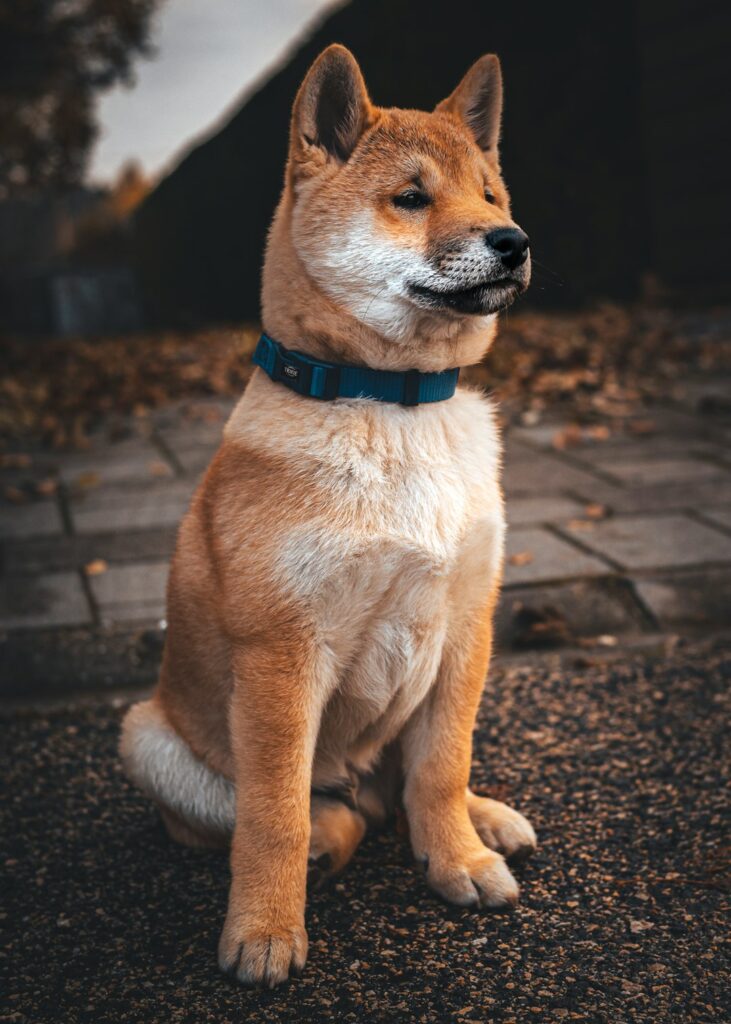
Before focusing on coat color or a puppy photograph, consider walks, secure access, handling and the people who will provide care. Some individuals are affectionate in quiet ways without enjoying prolonged restraint or constant cuddling. This guide explains how to assess the match, build useful habits and discuss health records without turning breed tendencies into guarantees.
Understand the Shiba Inu hunting background
The breed’s history as a small capable hunter helps explain why movement, scent and opportunities to investigate can be highly engaging. A dog may notice a bird, cat or small animal before its handler does. That interest should guide practical precautions rather than become a reason to repeatedly test whether recall will override a chase in an open area.
Shiba Inu independence does not mean the dog cannot learn. It means you should pay attention to what the animal finds rewarding and to whether the task is understandable in that setting. A request that works in the kitchen may be difficult on an exciting path. Teach progressively instead of treating the difference as deliberate disrespect.
Breed information is a starting point, not a complete assessment of an individual. History, social experiences, health and current circumstances all affect behavior. Meet adult dogs where possible and ask about ordinary routines. Knowing how an animal handles visitors, touch and quiet time provides more practical information than a dramatic video or a list of personality labels.
Make Shiba Inu escape prevention routine
Check gates, doors and fencing before allowing access to an outdoor area. Look for gaps at ground level, objects that create climbing steps and latches that visitors may leave unsecured. A garden that contained a previous pet is not automatically suitable. Reinspect after repairs or gardening, when familiar boundaries may have changed.
Use properly fitted secure walking equipment and check it with the dog’s actual movement. A collar or harness should not be assumed escape-proof because it looks snug while the animal stands still. Ask a knowledgeable professional to help assess fit if needed. Plan how to pass through the front door without creating an opportunity to dart into an open street.
Keep identification and microchip registration details current. These support recovery if something goes wrong but do not replace containment. Explain the door routine to guests and caregivers before handing over responsibility. A simple secure procedure followed consistently is more useful than relying on everyone to react quickly when the dog suddenly notices something outside.
Train the Shiba Inu with useful rewards
Start with skills that improve ordinary life: responding to its name, following a hand target, moving onto a mat and walking with a comfortable lead. Reward small successes clearly, then increase duration or distraction gradually. A quiet easy setting helps you see whether the dog understands the task before the environment competes for its attention.
Food is one useful reward, but play, sniffing and access to a safe interesting area can also matter. Learn what works for the individual rather than repeating a low-value reward and concluding that the dog is impossible to train. Keep edible rewards within the feeding plan, especially when several household members practice during the day.
Avoid punishment, physical confrontations and attempts to prove dominance. These can add fear and conflict without showing the animal what behavior will work instead. If a task repeatedly produces frustration, make it easier and seek qualified reward-based support. Clear teaching and appropriate management should work together rather than expecting training to eliminate every difficult situation immediately.
Practice Shiba Inu recall with secure management
Teach returning to you in a secure area, rewarding the response and avoiding a pattern in which coming always ends something enjoyable. Start close and easy. Increase difficulty with professional guidance and suitable management, such as an appropriate long line where safe. Never attach equipment in a way that can cause a hard neck impact during a fast run.
Good practice does not establish that an individual can safely be released in an unsecured public area. A strong chase response or unexpected distraction can overwhelm a familiar cue. Keep the dog on lead or in a genuinely secure enclosure. Recall remains valuable as a cooperative skill and emergency support even when containment is maintained throughout life.
If your Shiba Inu slips away, avoid turning the event into a chase or using punishment when it returns. Follow a sensible recovery plan suited to the location and seek help where needed. Afterward, review the equipment or access failure rather than treating the incident solely as a training test the animal failed.
Give the Shiba Inu meaningful activity
Offer a varied routine that includes comfortable physical movement, sniffing, exploration and learning. A dog does not need to be exhausted to have had a useful day. Repeated high-speed ball chasing or constant stimulation may be less manageable than a balanced outing with time to investigate and rest. Adjust the plan to age, fitness, health and the actual weather.
Food searches and simple scent activities can be introduced at home, with safe objects and manageable difficulty. Let the animal succeed rather than hiding every reward in a complicated puzzle from the beginning. Inspect equipment and remove pieces that could be swallowed. Exploration should be supported through suitable choices, not left to whatever household material happens to be available.
Plan quiet recovery as well. A resting area should be comfortable and protected from interruptions, especially in a busy family home. If the dog struggles to settle, assess the whole routine rather than automatically adding more exercise. Pain, anxiety, environmental pressure and an overexciting schedule can all affect rest.
Handle introductions without demanding friendliness
A polite encounter does not require the dog to greet every stranger or play with unfamiliar dogs. Give space and observe the individual. Some may prefer calm parallel activity or simply passing at a distance. Do not let people lean over, hug or corner a reserved animal because its size makes it appear easy to manage.
Social experiences should remain controlled and comfortable, especially for puppies learning about the world. Discuss an appropriate exposure plan with your veterinarian that considers health and development together. Avoid overwhelming dog parks or compulsory close greetings as a shortcut. The quality of an experience matters more than a large number of meetings.
With resident pets, provide management and gradual introductions rather than expecting the animals to work everything out. Interest in small moving animals requires particular caution. Use secure separation where needed and seek qualified advice for persistent chasing or tension. A breed description cannot certify compatibility with the particular cat, dog or small pet in your home.
Teach Shiba Inu handling in small steps
Practice a brief comfortable touch to the shoulder, a moment of paw presentation or looking at a grooming tool during calm periods. Reward participation and allow pauses. An animal that can choose to approach is learning something different from one held still until struggling stops. Keep the surface stable and avoid turning routine care into a contest of persistence.
Some dogs vocalize strongly when frightened or restrained, but a loud response should not be dismissed as a harmless breed performance. Assess pain, fear, equipment and handling. If nail care or examination is already difficult, ask the veterinary team for a plan before an urgent procedure is needed. Cooperation can be taught, while necessary medical care may require additional professional support.
Do not let children practice restraint or hug the dog for photographs. Adults should supervise interactions and protect a resting animal’s space. Respectful touch and an easy exit help prevent avoidable conflict. A dog that moves away is communicating a useful boundary, not inviting someone to follow and continue the same contact.
Maintain the Shiba Inu coat through seasonal shedding
The double coat needs ordinary brushing and inspection, with more attention when loose undercoat is being released. Use suitable tools gently and work in manageable sessions. Removing every hair in one sitting is not a realistic goal and can irritate the skin. Check areas beneath walking equipment where friction or trapped moisture may be less visible.
Bathing should reflect actual need and appropriate product guidance rather than an attempt to eliminate natural shedding. Rinse and dry as directed, and ask for advice if the skin is itchy, sore or unusually odorous. Persistent scratching is not explained by a thick coat alone. Our guide to dog skin problems outlines why similar signs can have different causes.
Avoid drastic clipping or a new cosmetic routine without considering the individual coat and medical needs. A groomer or veterinarian can help when you are unsure how to manage a difficult area. If brushing suddenly becomes painful or the coat changes unexpectedly, investigate rather than simply using a stronger tool or more frequent baths.
Review Shiba Inu health information carefully
Ask for actual screening reports tied to the parents rather than a broad promise that the breed is healthy. Parent-club guidance includes attention to hips, patellae and eyes, with family history relevant to other conditions. Confirm current recommendations with the responsible organization and your veterinarian. A general veterinary visit and a named inherited-disease assessment answer different questions.
Health concerns discussed in the breed include allergies, joint issues and eye conditions, among others. These are reasons to ask informed questions, not predictions that every dog will develop them. If you notice a limp, recurrent skin problem or painful eye, seek individual assessment rather than diagnosing from a breed list. Some eye changes require prompt attention.
Keep records of test dates, results and routine care as the dog ages. Screening reduces uncertainty but does not remove the need to respond to change. A normal parent result cannot guarantee every future health outcome for a puppy. A source that explains limitations candidly is providing more useful information than one offering a lifetime promise of no disease.
Keep feeding and preventive care practical
Use a complete diet appropriate to life stage and individual medical needs, with measured portions and regular body-condition review. A plush coat can make weight changes harder to see, so learn to assess the body beneath it. Treats, chews and training food count in the total intake. Avoid increasing meals simply because a dog seems highly enthusiastic about food.
Provide a quiet feeding arrangement and preserve normal access to water. Discuss persistent appetite or thirst changes with your veterinarian rather than repeatedly switching flavors. Choose vaccination and parasite plans according to actual exposure and local conditions. Our dog vaccination guide explains why an individual plan matters more than following an unrelated online timetable.
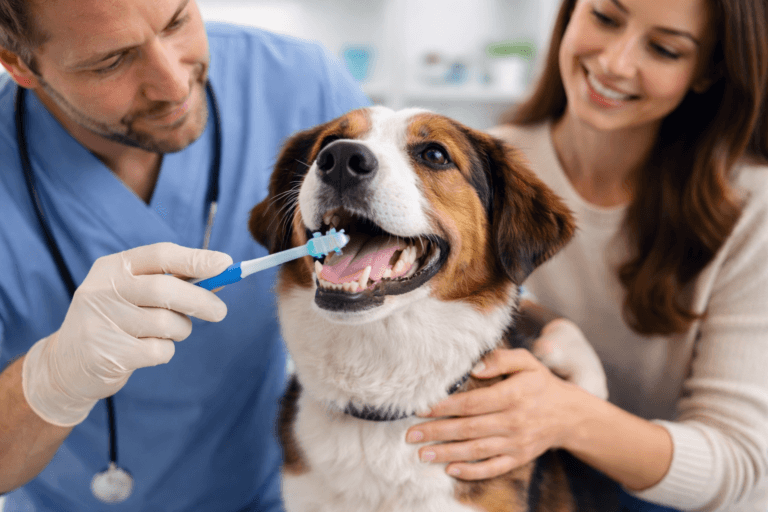
Dental care also deserves a gradual routine. Our home dental-care guide describes preparation with dog-appropriate products. If mouth contact is painful or the animal has existing disease, obtain professional advice first. Good preventive habits support comfort without turning every ordinary care task into a struggle.
Prepare a Shiba Inu for household changes
A move, new work schedule or visiting family can alter familiar routes and rest. Preserve useful routines where possible and introduce changes in manageable stages. Keep the dog securely contained during removal work or busy arrivals. A normally comfortable animal may make different choices when doors remain open and strangers carry furniture through the house.
Teach short comfortable periods apart with appropriate support rather than suddenly leaving for a long day and hoping independence will solve the problem. A dog can enjoy making its own choices yet still struggle with absence. Ask for help if distress appears. Do not rely on acquiring another animal or increasing confinement as an automatic cure.
Prepare caregivers for the practical details that matter: equipment fit, secure doors, preferred rewards, handling sensitivities and veterinary contacts. Demonstrate the routine rather than sending only a feeding quantity. The person covering a holiday should be able to manage the actual dog safely, including in an unexpected situation, not simply admire the breed’s appearance.
Decide whether the Shiba Inu fits your expectations
Consider what you enjoy about living with a dog. If you value curiosity, individual preferences and the process of building cooperative skills, the breed may appeal beyond its attractive face. If your ideal companion must greet everyone, tolerate frequent hugging or follow off lead in open areas, choose from the actual evidence rather than expecting training to erase every mismatch.
Meet adults and ask sources about both enjoyable traits and practical challenges. A rescue dog may offer information about established habits, while a puppy requires planning for development and uncertainty. Neither route removes the need for patient teaching and secure management. Avoid a rushed purchase based on a fashionable image or a promise that every dog of the breed is easy.
A comfortable relationship allows the animal to be an individual while keeping boundaries dependable. Provide useful activity, humane training, preventive care and a household prepared for ordinary complications. Those commitments make the breed’s distinctive character more enjoyable without asking the dog to live up to either a charming stereotype or a reputation for being impossible.