
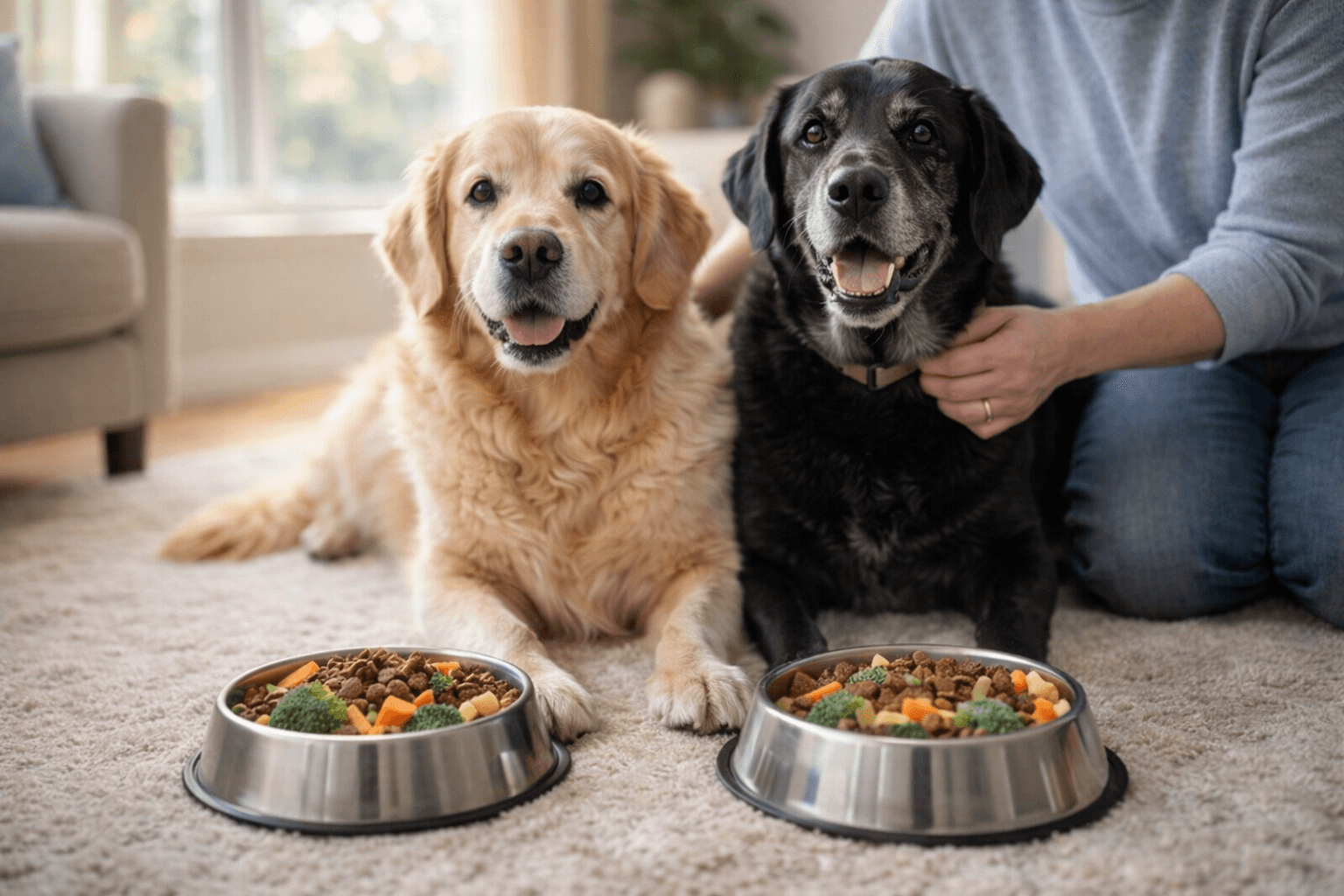
By Dr. Zahid Afzal, DVM – Vet & Pet Health Guide
As dogs age, their bodies, metabolism and nutrition needs change. The “best diet for senior dogs” is not one magic food – it is a feeding plan tailored to your dog’s age, lifestyle, body condition and medical history. In this vet-written guide, we’ll walk through exactly how to feed your older dog so they stay mobile, happy and as healthy as possible for as long as possible.
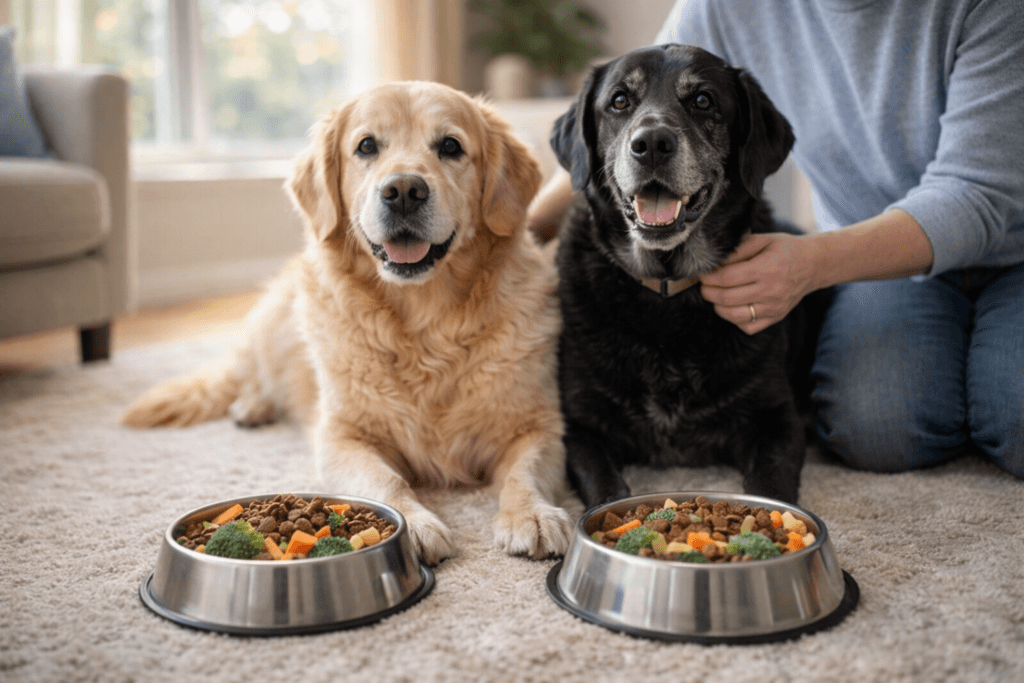
When Is a Dog Considered a Senior?
Most dogs are considered “senior” when they reach the last 25–30% of their expected lifespan. This varies by size and breed:
- Small breeds (e.g., Toy Poodle, Shih Tzu): senior at around 9–10 years.
- Medium breeds (e.g., Border Collie): senior at around 8–9 years.
- Large and giant breeds (e.g., Golden Retriever, German Shepherd, Great Dane): senior from 6–7 years.
Age is only one factor. Some dogs with chronic disease may need a senior-style diet earlier, while very fit older dogs may cope well on an adult formula for longer. If you are unsure, discuss your dog’s life stage with your veterinarian or book an online vet consultation.
How Aging Changes Your Dog’s Nutrition Needs
Senior dogs experience gradual changes that directly affect what they should eat:
- Slower metabolism: Many older dogs burn fewer calories and can gain weight easily if fed like a young adult.
- Loss of muscle mass (sarcopenia): Seniors may lose lean muscle, especially if protein intake is low.
- Joint wear and tear: Arthritis and stiffness are common and benefit from joint-support nutrients.
- Organ changes: Kidney, liver or heart function can decline, requiring adjusted protein, sodium and phosphorus.
- Digestive changes: Some dogs develop sensitive stomachs, constipation or altered appetite.
- Dental issues: Worn or painful teeth can make some foods hard to chew.
The best diet for senior dogs should respect all these changes: fewer but high-quality calories, excellent protein, joint support, good digestibility and, when needed, disease-specific adjustments.
Key Nutrients in the Best Diet for Senior Dogs
When choosing food for your older dog, look beyond marketing words like “senior” or “longevity.” Focus on the actual nutrient profile.
Best diet for senior dogs: 1. High-Quality Protein
Many owners still believe that senior dogs need low protein. In most healthy seniors, the opposite is true. Adequate, high-quality protein helps maintain muscle, immune function and wound healing.
- Look for animal-based protein sources such as chicken, turkey, fish, lamb, or eggs.
- For healthy seniors, diets often contain at least 22–28% crude protein (dry matter), but follow your vet’s advice if your dog has kidney or liver disease.
- If your dog has chronic kidney disease, special renal diets with adjusted protein and phosphorus are recommended – do not switch without veterinary guidance.
2. Controlled but Not Ultra-Low Fat
Fat provides energy and essential fatty acids. However, overweight seniors or dogs with pancreatitis may need moderate to low fat diets.
- Many senior foods contain 8–14% fat (dry matter).
- Dogs with a history of digestive upsets or pancreatitis may benefit from lower fat, vet-prescribed diets.
3. Omega-3 Fatty Acids (EPA & DHA)
Marine omega-3 fatty acids support joints, skin, brain and heart. They are particularly helpful for arthritic senior dogs.
- Look for diets containing fish oil, salmon oil or krill oil.
- Your vet may recommend an additional omega-3 supplement for arthritis or cognitive decline.
4. Fiber for Gut and Weight Health
Many senior foods increase fiber slightly. Fiber:
- Helps older dogs feel full on fewer calories.
- Can support bowel regularity and help with mild constipation.
- Supports the gut microbiome when combined with prebiotics.
If your dog has chronic diarrhea or suspected worms, see our full parasite control guide for pets.
5. Vitamins, Antioxidants and Brain Support
Antioxidants such as vitamins E and C and compounds like lutein or beta-carotene can help protect aging cells. Some senior formulas also contain MCT oil (medium-chain triglycerides) to support brain function in older dogs.
6. Joint-Support Nutrients
Common joint-support ingredients in senior diets include:
- Glucosamine and chondroitin
- Green-lipped mussel
- Collagen and specific peptides
- Omega-3 fatty acids from fish oil
These are supportive, not magic cures; they work best combined with weight control and appropriate exercise.
How Many Calories Should a Senior Dog Eat?
There is no single number that fits all dogs. Calorie needs depend on body size, activity level, temperament and whether your dog is underweight, ideal or overweight.
A rough starting point for many senior dogs is around 2/3 to 3/4 of their adult maintenance calories. Your veterinarian can calculate a precise Resting Energy Requirement (RER) and daily calories for weight loss, maintenance or gain.
Use our Pet Health Calculator to estimate healthy weight and calorie needs, then fine-tune based on monthly weigh-ins.
Best Types of Food for Senior Dogs
1. Commercial Senior Dog Foods
Many reputable brands formulate diets specifically for older dogs. Look for:
- Statements that the food meets AAFCO or FEDIAF nutrient profiles for adult maintenance.
- Clear contact details and feeding guidelines.
- Specialized formulas for health issues (e.g., joint, kidney, heart, dental support).
Switch gradually over 7–10 days to reduce digestive upsets. If your dog has known medical issues, ask your vet whether a therapeutic veterinary diet is more appropriate.
2. Wet vs Dry Food for Senior Dogs
Both wet and dry foods can be suitable for seniors:
- Dry food can be convenient, often cheaper per calorie, and may help reduce plaque (though it does not replace brushing).
- Wet food is excellent for dogs with poor appetite, dental issues or those needing extra water intake.
Many older dogs do well on a mixed feeding plan (e.g., dry kibble plus a spoon of wet food). Always adjust total portion size to avoid weight gain.
3. Vet-Approved Homemade Diets
Some owners prefer cooking for their seniors, especially when dogs become picky or have special needs. However, homemade diets can easily become unbalanced and deficient.
If you want to prepare home food, start with our vet-approved homemade dog food guide and ask your vet for a recipe formulated by a board-certified veterinary nutritionist. Avoid guessing recipes from social media – they may not provide enough calcium, essential fatty acids or trace minerals.
Sample Daily Feeding Plan for a Healthy Senior Dog
This is a simplified example only. Your dog’s exact needs may differ.
- Food type: Complete commercial senior dog food (kibble) with added fish oil.
- Meals: 2–3 smaller meals per day (e.g., breakfast, late afternoon and a small evening snack).
- Portion size: According to the bag’s guidelines for your dog’s ideal weight, then adjusted every 2–4 weeks based on body condition.
- Treats: Keep treats under 10% of total daily calories. Use small low-fat treats or veggies like carrot sticks (if tolerated).
- Water: Fresh water available at all times. Increased thirst can signal disease and must be checked by a vet.
Monitor your dog’s ribs, waist and overall energy. If you want a deeper dive into portion control and parasites, see our dog worms and deworming schedule guide and dog vaccination schedule 2025 to keep your senior fully protected.
Feeding Senior Dogs With Common Health Problems
Many older dogs develop specific conditions that require tailored nutrition. Never change to a “kidney” or “heart” diet on your own – but here is how diet often fits into management.
1. Overweight or Obese Senior Dogs
Extra kilos are one of the most damaging things for arthritic joints, heart health and diabetes risk.
- Switch to a light or weight-management diet formulated for seniors.
- Measure every meal with a cup or scale – no free-feeding.
- Use low-calorie treats and part of the dog’s daily ration as training rewards.
- Combine diet with gentle, regular exercise recommended by your vet.
2. Arthritis and Mobility Issues
Nutrition cannot replace pain relief or physiotherapy, but it is a powerful support:
- Maintain a slim body condition – this is the single most effective “joint supplement.”
- Choose diets with omega-3 fatty acids and joint nutrients.
- Consider therapeutic joint diets if your veterinarian recommends them.
If your senior dog suddenly becomes very lame, very weak or refuses to get up, treat it as an emergency – see our emergency first aid guide for dogs and cats.
3. Chronic Kidney Disease
Dogs with confirmed kidney disease usually benefit from restricted phosphorus, adjusted protein and carefully managed sodium. Only use a veterinary renal diet under veterinary supervision. Do not give homemade protein-restricted diets without professional formulation – they can worsen muscle loss and overall health.
4. Heart Disease
Dogs with heart disease may need moderate sodium restriction and carefully managed calories to avoid both obesity and muscle wasting. Veterinary cardiac diets are designed for this purpose.
5. Sensitive Stomach or Chronic Diarrhea
Some senior dogs develop sensitive digestion. Diet changes, parasites, pancreatitis, food intolerance or endocrine disease can all play a role.
- Switch food slowly over 7–10 days.
- Use highly digestible diets, often labelled “sensitive stomach” or “gastrointestinal.”
- Have your vet rule out parasites, infections and organ disease.
For more home-care tips during mild tummy upsets, see our article on home treatment for dog diarrhea, but never delay veterinary care for severe or repeated vomiting, black stools, blood, collapse or extreme pain.
Treats and Snacks for Senior Dogs
Treats can be part of a healthy senior diet if used wisely.
- Keep treats at or below 10% of daily calories.
- Avoid very fatty or salty human foods such as sausages, fries, cheese chunks or leftover curries.
- Use small pieces of your dog’s regular kibble, or healthy options like plain cooked chicken breast (no bones, skin or seasoning).
- Dogs with kidney, liver or heart disease need strict vet-approved treat lists.
Homemade biscuits or cakes can seem loving but often pack huge calories; for overweight seniors, focus on affection and play instead of food rewards.
Red-Flag Signs Your Senior Dog’s Diet May Not Be Right
Contact your veterinarian promptly if you notice any of the following while feeding a new diet or even the usual food:
- Rapid weight loss or gain.
- Marked decrease in appetite, or refusal to eat for more than 24 hours.
- Repeated vomiting, diarrhea, or very black/tarry stool.
- Increased thirst and urination.
- Severe bad breath, difficulty chewing, dropping food from the mouth.
- Sudden weakness, collapse, or painful swollen abdomen (suspect GDV bloat emergency).
These signs need hands-on examination. Do not rely on diet changes alone.
How to Switch Your Senior Dog to a New Diet Safely
Older dogs are more sensitive to abrupt diet changes. Use this transition schedule unless your vet instructs differently:
- Days 1–2: 75% old food, 25% new food.
- Days 3–4: 50% old food, 50% new food.
- Days 5–6: 25% old food, 75% new food.
- Day 7 onwards: 100% new food.
If vomiting or diarrhea occurs, pause the transition and consult your vet. You can also temporarily revert to the previous diet and change more slowly.
Putting It All Together: Creating the Best Diet Plan for Your Senior Dog
The best diet for senior dogs is not the same for every pet. However, almost all older dogs benefit from:
- Maintaining a slim, athletic body condition.
- Eating a balanced, complete diet meeting AAFCO/FEDIAF standards.
- Receiving adequate high-quality protein to protect muscles.
- Getting beneficial levels of omega-3 fatty acids and joint support nutrients.
- Having treats and extras carefully controlled.
- Regular vet check-ups including blood tests, dental checks and weight monitoring.
If you feel overwhelmed choosing among dozens of senior foods, don’t hesitate to ask for tailored advice. A short consultation now can prevent expensive health problems later. You can visit our main site at GV Animal Hospital or book an online vet nutrition consult for a personalized senior feeding plan.
FAQs About the Best Diet for Senior Dogs
1. When should I switch my dog to a senior diet?
Most small dogs are ready for a senior diet at 9–10 years, medium dogs at around 8–9 years and large or giant breeds from 6–7 years. However, health status matters more than age. If your adult dog already has arthritis, kidney disease, heart disease or obesity, your vet may recommend a special diet earlier.
2. Do all senior dogs need low-protein food?
No. Healthy senior dogs usually need good quality protein to maintain muscle. Protein restriction is mainly used in certain stages of kidney or liver disease and must be supervised by a veterinarian. Do not lower protein on your own; it can make your dog weaker.
3. How often should I feed my senior dog?
Most seniors do well on two meals per day. Some with digestive issues, diabetes or poor appetite benefit from three smaller meals. Avoid once-daily feeding in older dogs – long fasting periods can worsen nausea and bile vomiting in the morning.
4. Are grain-free diets better for senior dogs?
Not necessarily. Grain-free diets are a marketing trend, not a universal need, and some grain-free formulations have been linked with heart issues in certain dogs. Many seniors do very well on diets with wholesome grains like rice or oats. Choose a diet based on your dog’s health, allergies and your vet’s advice, not just on the “grain-free” label.
5. Can I give supplements instead of changing my dog’s food?
Supplements can be useful (for example, omega-3 fish oil or joint supplements), but they cannot fix an unbalanced or inappropriate base diet. Always start with a complete senior diet suited to your dog’s health, then add only those supplements your veterinarian recommends.
Medical Disclaimer
This article is for general educational purposes only and does not replace a physical examination or personalized advice from your veterinarian. Senior dogs can hide serious disease behind mild symptoms. If your dog is unwell, in pain, losing weight, not eating, or you are worried at any time, please contact your local veterinary clinic or emergency service immediately.



I didn’t realize how much the size and breed of a dog influences when they’re considered senior. It’s good to know that not all dogs reach senior status at the same age!
The distinction between adult dog and senior dog nutrition is something many pet owners do not fully appreciate until age-related changes become visible. The recommendations around reduced caloric density paired with maintained protein levels are consistent with current veterinary research on healthy aging in dogs. The section on joint-supporting supplements is especially relevant for larger breeds that tend to develop mobility issues earlier in life.
Really thorough vet-approved nutrition guide for senior dogs. The distinction between protein needs in older dogs versus the outdated low-protein advice is important to counter — so many owners are still following guidance that doesn’t reflect current research. The joint supplement and omega-3 section is particularly practical for large breeds showing early mobility changes.
Excellent vet-approved breakdown of senior dog nutrition — the protein-to-weight ratio guidance for dogs over 8 years is something a lot of pet owners don’t recalibrate when their dog hits the senior stage. The joint support nutrient list is particularly helpful alongside the caloric density comparison.
The section on Best Diet for Senior Dogs: Vet was particularly useful. I’ve been experimenting with AI image generators for a side project and AI Photo Editor stood out for the quality of its 4K output without needing additional upscaling.