
Vet-written by Dr. Zahid Afzal, DVM – General Veterinary Hospital, Lahore
About the Vet Behind This Guide
I’m Dr. Zahid Afzal, a licensed veterinarian from Pakistan with over 11 years of experience in small animal practice at General Veterinary Hospital, Lahore. I’ve examined thousands of cats (including plenty of sleek black Bombay cats) and performed more than a thousand soft-tissue and orthopedic surgeries. This article is based on real cases I see in the clinic, not just textbook theory.
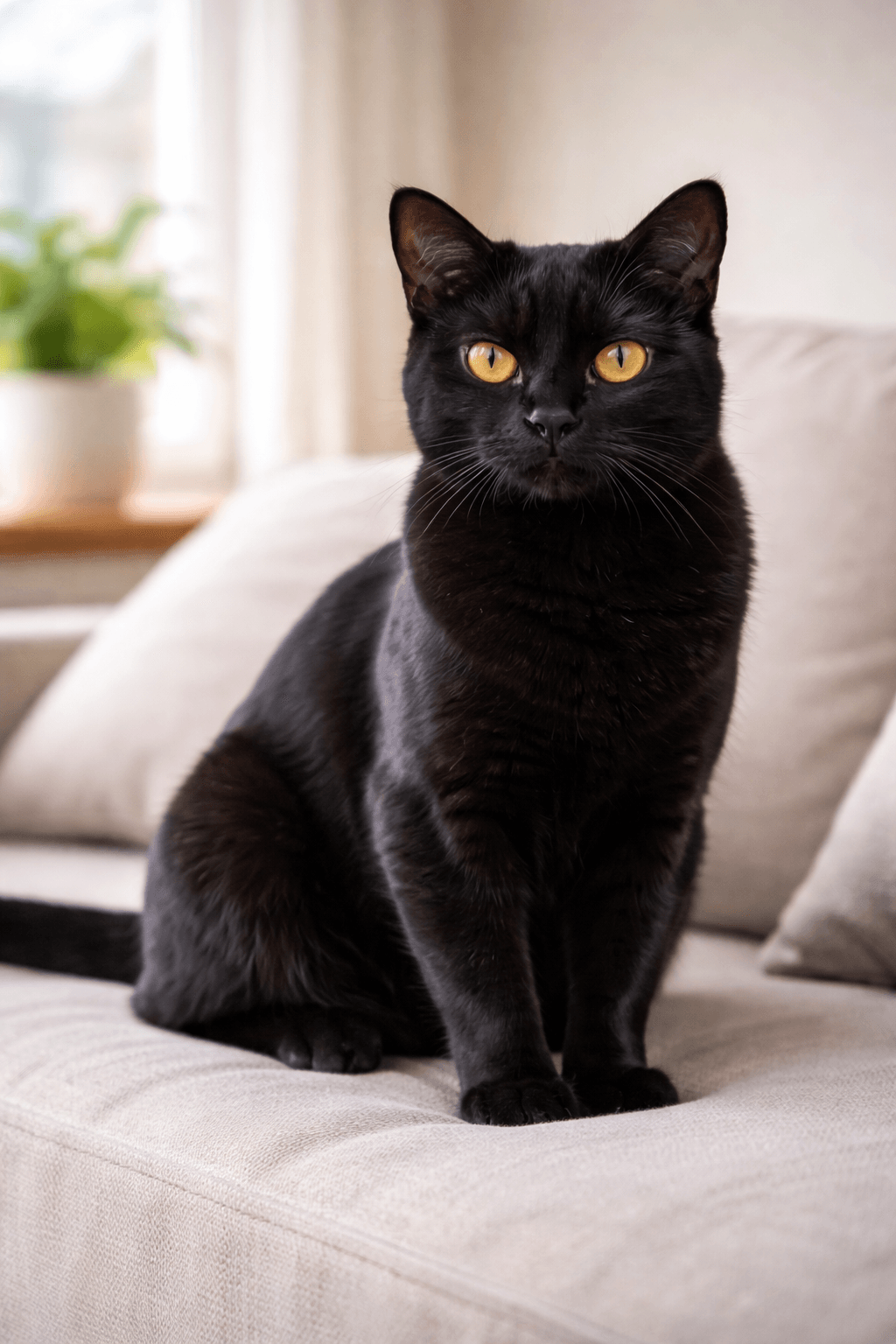
A Bombay cat has a glossy black coat, copper or gold eyes, and a personality that often draws people in as much as its appearance. Some greet visitors at the door; others prefer to watch from the sofa. This guide explains how Bombays differ from other black cats, what daily care involves, and which health concerns to discuss with your veterinarian.
If you love striking black cats, you might also enjoy our detailed guide on tuxedo cats, personality and health, another black-and-white favourite in the clinic.
Bombay Cat at a Glance
- Type: Man-made cat breed (American Shorthair × Burmese background)
- Coat: Short, dense, jet-black only
- Eye colour: Copper to deep gold
- Personality: Affectionate, people-focused, often talkative and playful
- Good for: Families, apartments, people who want a social, interactive cat
- Average lifespan: 12–20 years with good care
- Common issues: Dental disease, obesity, occasional heart or respiratory problems
What Exactly Is a Bombay Cat?
Despite the name, the Bombay cat was not developed in India. The breed was created in the United States by crossing sable Burmese cats with black American Shorthairs to produce a completely black, panther-like companion cat. The goal was a sleek, muscular, short-haired cat with bright copper eyes and a very people-oriented nature.
A true Bombay cat:
- Is solid black from nose to tail – even the paw pads and nose leather are usually dark.
- Has a short, close-lying coat that almost shines like patent leather.
- Shows a rounded head, medium muzzle, and expressive, wide-set eyes.
- Is typically medium sized but feels surprisingly heavy when you pick them up – a “brick wrapped in silk.”
In the clinic, guardians often ask me whether their black cat is a Bombay. Unless the cat came from a registered breeder with papers, most are technically “domestic shorthair black cats,” not purebred Bombays – but for health and care purposes, the advice in this guide still applies.
Bombay Cat vs. Ordinary Black Cat: How Can You Tell?
From a distance, any glossy black cat can look like a Bombay. When I’m examining a black cat and the owner says, “Doctor, is he a Bombay?” I look at a few key details:
- Head shape: Bombays often have rounder faces and a gently rounded forehead, influenced by their Burmese heritage.
- Coat texture: Their short coat feels very dense and fine, almost mink-like, with less obvious guard hairs.
- Eye colour: Many Bombays develop striking copper or deep gold eyes as they mature.
- Body build: They are compact but muscular. Pick one up and you’ll feel the weight.
- Pedigree: True Bombays usually come from breeders who can show you the lineage and registration.
Without pedigree documents, it’s safer to describe your pet as a “Bombay-type black cat” rather than a guaranteed Bombay cat, but that doesn’t make them any less special.
Bombay Cat Personality: What Are They Really Like?
Behaviour varies from cat to cat, but most Bombays I see in the clinic share a few trademark traits:
- People-oriented: Many Bombays prefer to be wherever you are – on the sofa, at your desk, even in the bathroom.
- Confident and curious: They’re often the first cat in a multi-cat home to investigate visitors or new objects.
- Playful but not hyper: They enjoy interactive play but usually aren’t as hectic as some oriental breeds.
- Vocal but polite: Expect soft, questioning meows rather than constant loud yowling.
- Social with other pets (when introduced well): Many get along with cat-friendly dogs.
At General Veterinary Hospital, I once treated a Bombay who insisted on climbing onto my shoulder every time I listened to his heart. His guardian laughed and said, “He thinks he’s helping.” That level of bold affection is very typical of the breed.
Is a Bombay Cat Right for Your Family?
A Bombay cat can be a wonderful choice if you want a companion who behaves almost like a small dog – following you around, greeting you at the door, and actively seeking company. They usually adapt well to:
- Apartment living, as long as they get daily playtime and mental stimulation.
- Families with respectful children, who can be taught how to handle cats gently.
- Homes with other pets, especially calm dogs or cats with similar energy levels.
However, a Bombay cat may not be ideal if your home is often empty for long hours. These cats can become lonely, bored, or even anxious without enough interaction. In those cases, adopting a bonded pair or providing a compatible feline friend can help.
Health & Lifespan: Common Bombay Cat Problems I See
With good care, many Bombays live well into their late teens. Most of the health issues I see are not unique to the breed, but some patterns do appear in black cats of this type.
1. Dental Disease
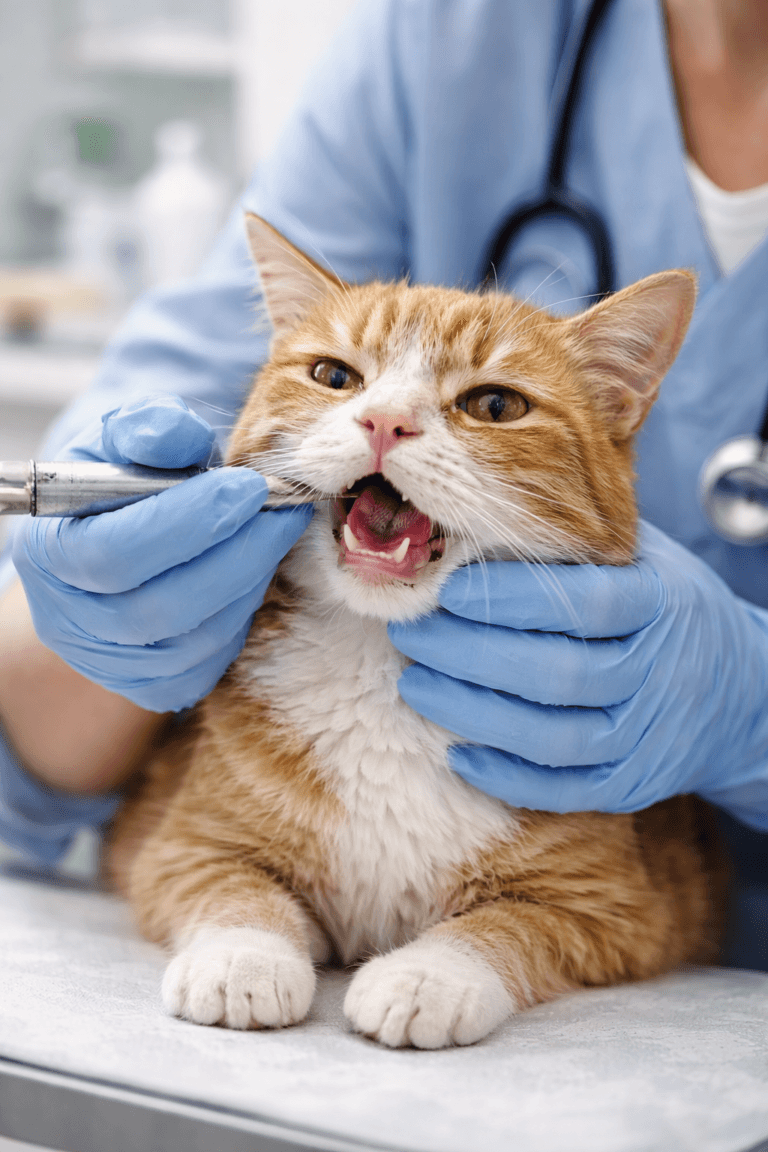
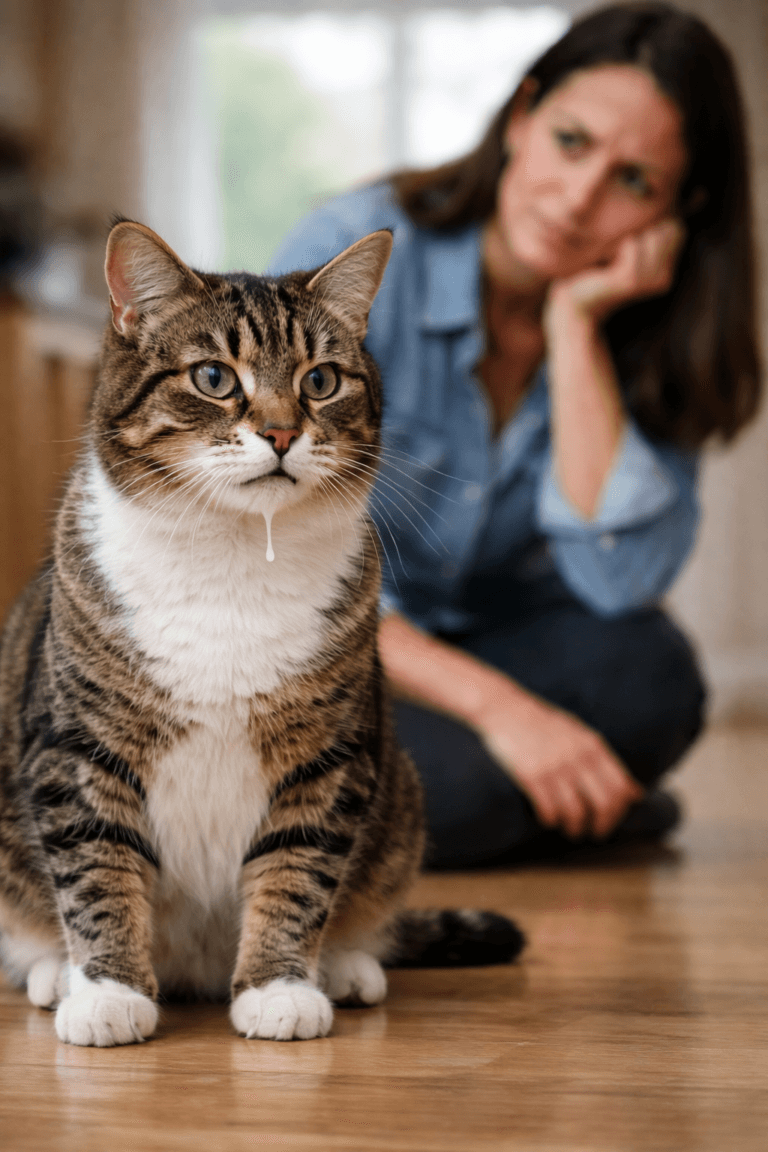
Tartar build-up, gum inflammation and tooth resorption are extremely common in adult cats, including Bombay cats. Bad breath, drooling or a reluctance to chew dry food can be early warning signs. Regular dental check-ups and professional cleaning under anaesthesia are often needed.
2. Obesity & Diabetes Risk
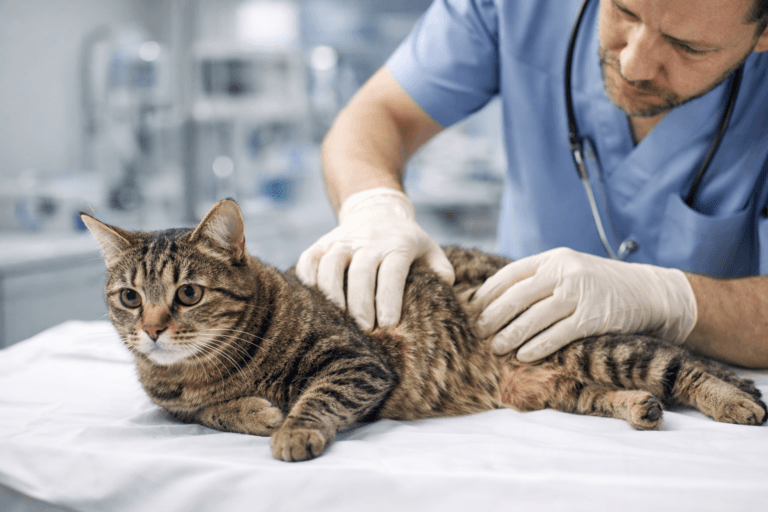
Because many Bombays love food and are not naturally high-energy, they’re prone to weight gain. Extra weight stresses joints, increases the risk of diabetes, and can worsen breathing issues. I like to use a body condition score chart for every Bombay cat I see and adjust diet before the problem becomes severe.
3. Respiratory or Heart Concerns
A small number of Bombays can inherit structural issues from their Burmese ancestry, such as nasal or airway narrowing, or heart problems like hypertrophic cardiomyopathy (HCM). If your cat pants when playing, tires quickly, or shows rapid breathing at rest, get a vet check-up promptly.
4. Digestive Upsets & Pancreatitis
Like other cats, Bombays can suffer from sensitive stomachs, vomiting, or diarrhoea. Sudden loss of appetite, painful abdomen, or repeated vomiting can signal pancreatitis or other serious disease. For a deeper dive into this condition, you can read our vet-written guide on pancreatitis in cats – causes, symptoms and treatment.
Whatever the issue, early intervention almost always leads to a better outcome. If your Bombay cat’s behaviour, appetite, or energy level changes suddenly, don’t “wait and see” for days.
Routine Care: How to Keep a Bombay Cat Healthy Day to Day
1. Nutrition & Feeding Tips
- Choose a complete, high-quality cat food with real meat as the first ingredient.
- Aim for a lean body shape – you should feel the ribs easily under a thin fat layer.
- Avoid free-feeding all day; measured meals 2–3 times daily work best for Bombays.
- Use puzzle feeders or treat balls to slow down fast eaters.
- Fresh water should be available 24/7; many cats drink more from a cat fountain.
2. Grooming a Bombay Cat
Their short coat is low-maintenance, but grooming still matters:
- Brush once or twice a week with a soft rubber brush to remove loose hairs and distribute skin oils.
- Check ears weekly for wax, odour or redness.
- Trim claws every 2–4 weeks – start when they are young to build good habits.
- Wipe eyes gently with damp cotton if you notice tear staining.
3. Litter Box, Enrichment & Environment
A bored Bombay cat will find its own entertainment, which may involve unrolling toilet paper or jumping onto your keyboard. To keep them mentally and physically satisfied:
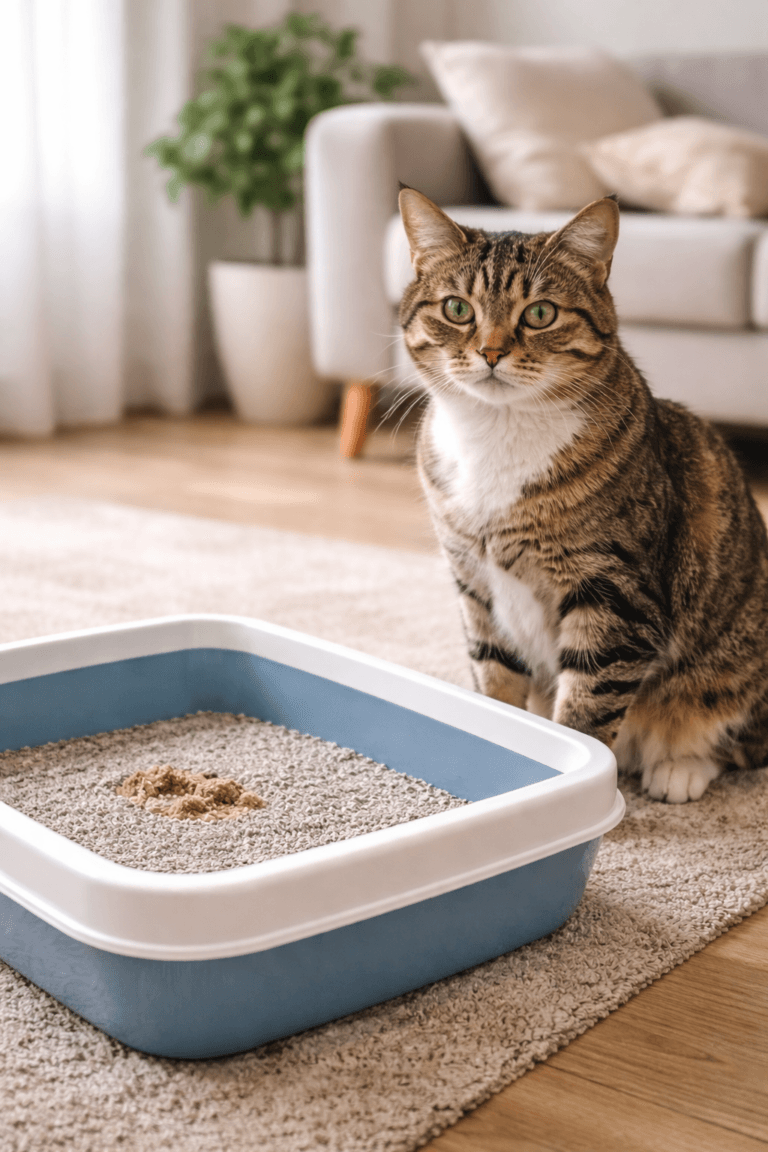
- Provide at least one litter box per cat, plus one extra, kept clean and placed in quiet areas.
- Offer vertical spaces such as cat trees, shelves or window perches.
- Rotate toys – wand toys, feather teasers, soft balls, and food puzzles.
- Schedule two or three short play sessions daily, especially in the evening.
For more general lifestyle advice, you can also explore our vet-approved health care guide for unusual-looking dog breeds – many of the same principles (weight control, dental care, regular check-ups) apply across species.
Bombay Kittens: What to Expect
Bombay kittens are usually energetic bundles of curiosity with huge appetites. In my practice I advise new guardians to plan for:
- Frequent vet visits in the first year – for vaccinations, de-worming, and spay/neuter.
- Socialisation: gentle handling, exposure to household noises, and positive carrier training.
- Scratch training: provide sturdy scratching posts from day one to protect your furniture.
Early positive experiences at the vet clinic make a big difference. I love when guardians bring kittens in just to say hello and get treats – it turns the clinic into a familiar, safe place rather than something to fear.
Bombay Cat Price, Breeders & Adoption
The price of a pedigree Bombay cat varies by country, breeder reputation, and whether the kitten is sold as a pet or show animal. In many regions, prices range from the equivalent of a few hundred to over a thousand US dollars.
When looking for a kitten, I strongly recommend:
- Choosing breeders who health-test their breeding cats and are open about any hereditary issues in the line.
- Visiting the cattery (or video-touring) to see how cats are housed and socialised.
- Avoiding sellers who refuse vet checks, paperwork, or push you to take kittens before 12–13 weeks of age.
Don’t forget that black cats – including Bombay-type mixes – are often overlooked in shelters. If pedigree papers are not important to you, adopting a black cat from a rescue can be an incredibly rewarding option.
When Should You See a Vet Urgently?
Contact your veterinarian or an emergency clinic immediately if your Bombay cat shows any of the following:
- Not eating for more than 24 hours
- Repeated vomiting or diarrhoea, especially with blood
- Open-mouth breathing, rapid breathing, or blue-tinted gums
- Straining in the litter box with little or no urine (especially males)
- Sudden collapse, seizures, or severe weakness
Cats are experts at hiding pain. If you’re unsure whether a symptom is serious, it’s safer to call your vet and ask. Early treatment often means simpler, less expensive care – and a much more comfortable cat.
Frequently Asked Questions About Bombay Cats
Are Bombay cats aggressive?
Most Bombays are affectionate rather than aggressive. However, any cat can bite or scratch if they’re frightened, in pain, or overstimulated. Respect their body language and teach children gentle handling.
Do Bombay cats shed a lot?
They do shed, but usually less than long-haired breeds. Weekly brushing and a healthy diet help keep shedding under control.
Are Bombay cats hypoallergenic?
No cat breed is truly hypoallergenic. Some people with mild allergies may tolerate Bombays better than fluffier cats, but there are no guarantees. Spend time with the breed before committing if you have allergies.
How long do Bombay cats live?
With good nutrition, indoor living, regular vet check-ups and prompt treatment of problems, many Bombays live 14–20 years.
Do Bombay cats get along with dogs?
Many do, especially if introduced slowly to calm, cat-friendly dogs. Supervise early interactions and give your cat escape routes and high resting spots.
Final Thoughts from a Vet
The Bombay cat is more than just a stunning black coat. When cared for properly, they’re intelligent, loving companions who can share your home for many years. If you’re drawn to their panther-like looks and social nature, take the time to choose a healthy kitten or adopt a black rescue cat who needs a second chance – and stay in touch with your veterinarian for regular check-ups.
If you enjoyed learning about Bombays, you may also like our in-depth guide to the Bernedoodle dog – complete vet guide, especially if your family includes both cats and dogs.
Need personalised advice for your Bombay cat?
Book an online consultation with a veterinarian at General Veterinary Hospital, Lahore.
Book Online Vet Consultation

I always thought black cats were all alike, but it’s fascinating to hear how Bombay cats stand out with their unique personalities. I love that they’re not only stunning to look at, but also interact so differently with their humans. It’s nice to know that their temperament can range from dog-like friendliness to more independent tendencies.
As a longtime cat lover and someone who’s spent countless hours observing feline behavior, I appreciate how this guide highlights the unique personality traits of Bombay cats—especially how their confident, people-orientated nature sets them apart from other black cats. It’s fascinating to hear about their varied temperaments, from greeting guests like dogs to preferring a more reserved role. The vet-backed insights into their health and care really resonate with anyone looking to bring one of these stunning companions into their home.