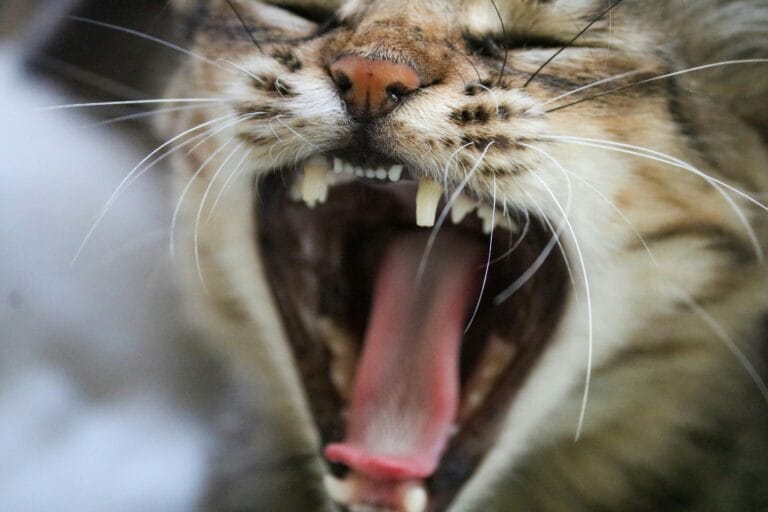
Feline Asthma: Signs, Triggers & Treatment
Feline asthma is a chronic inflammatory airway condition that can range from occasional mild coughing to sudden, severe breathing distress. This guide explains the classic signs, common environmental triggers, how it’s diagnosed, and the difference between a manageable flare-up and a true respiratory emergency.

Signs of Feline Asthma
Coughing. Often mistaken for hairball attempts; cats with asthma may crouch low and cough repeatedly without producing a hairball.
Wheezing. An audible whistling sound during breathing, particularly noticeable during exhalation.
Increased respiratory rate. Breathing faster than normal, even at rest.
Open-mouth breathing. Cats rarely breathe through their mouths normally; this is a significant warning sign of respiratory distress.
Lethargy during flare-ups. Reduced activity and reluctance to move during an active episode.
| Severity | Signs | Action |
|---|---|---|
| Mild/chronic | Occasional cough, normal energy and appetite | Veterinary evaluation and diagnosis, ongoing monitoring |
| Active flare | Increased coughing, audible wheeze, faster breathing | Same-day veterinary visit |
| Emergency | Open-mouth breathing, blue gums, collapse | Immediate emergency care |
Common Triggers for Feline Asthma
Dust and dusty cat litter. Clumping and scented litters can release fine particles that irritate sensitive airways.
Cigarette or other smoke. Secondhand smoke is a well-documented trigger and worsening factor for feline asthma.
Aerosol sprays and strong scents. Air fresheners, perfumes, and cleaning sprays can trigger episodes in sensitive cats.
Seasonal allergens. Pollen and other seasonal allergens can worsen symptoms in some cats, similar to human allergic asthma.
Stress. Some cats show increased symptoms during stressful events, though stress alone does not cause asthma.
How Is Feline Asthma Diagnosed and Treated?
Diagnosis typically involves chest X-rays to look for characteristic airway changes, and ruling out other causes of coughing, such as heartworm or infection. Treatment often includes inhaled corticosteroids delivered through a cat-specific inhaler spacer device, similar in concept to human asthma inhalers, along with oral medication during flare-ups. Reducing environmental triggers at home is an important complementary step alongside medical treatment.
Managing a Cat With Asthma
Feline Asthma vs. Other Respiratory Conditions
Coughing and breathing changes in cats have several possible causes, and telling them apart matters for treatment. Heartworm-associated respiratory disease can look remarkably similar to asthma, causing coughing and wheezing, but is caused by immature heartworm larvae reacting in the lungs rather than allergic airway inflammation, and is diagnosed through heartworm-specific testing rather than X-rays alone. Upper respiratory infections typically bring nasal discharge, sneezing and sometimes eye discharge alongside any coughing, whereas asthma coughing occurs without these upper-airway signs. Chronic bronchitis overlaps closely with asthma and is sometimes considered part of the same disease spectrum, with treatment approaches largely similar. Heart disease can also cause coughing and rapid breathing in cats, though this is less common than in dogs, and chest X-rays combined with heart-specific testing help distinguish it from asthma. Because these conditions can look alike from the outside, a proper veterinary workup, including imaging and sometimes bloodwork, is important before starting long-term asthma treatment.
Long-Term Outlook and Monitoring
Cats with well-managed asthma often have a good long-term prognosis and normal lifespan, though the condition typically requires lifelong attention rather than a single course of treatment. Many owners find it useful to track breathing rate at rest, since a resting respiratory rate that creeps upward over time, even between visible flare-ups, can be an early warning sign worth mentioning at a checkup. Counting breaths for 30 seconds while a cat is calmly asleep or resting and doubling that number gives a rough baseline; a consistently elevated rate compared to that baseline is worth discussing with your veterinarian, even without an obvious cough. Regular veterinary rechecks help determine whether inhaled medication doses need adjustment over time, particularly as seasons change and trigger exposure shifts. Cats on long-term inhaled steroids generally tolerate treatment well, since the inhaled route delivers medication directly to the airways with far less body-wide effect than oral steroids used over the same period. Working closely with your veterinarian on a monitoring routine, rather than only reacting to visible flare-ups, tends to produce the most stable long-term control.
Building an Asthma Action Plan With Your Vet
Cats with diagnosed asthma benefit enormously from a written, agreed-upon action plan established during a calm period, rather than figuring out the response for the first time during an actual flare-up. A typical plan outlines the cat’s baseline resting respiratory rate, the specific rescue inhaler or medication to use during a mild-to-moderate flare, and clear criteria for when home management is appropriate versus when to go straight to an emergency clinic. Many veterinarians recommend keeping a rescue inhaler on hand at all times, even for cats currently well-controlled on daily maintenance medication, since flare-ups can occur even with good baseline management if a strong trigger is encountered unexpectedly. Practicing the mechanics of using a spacer device during a calm period, rather than attempting it for the first time mid-crisis, makes actual emergencies far less stressful for both cat and owner. Knowing the location and hours of the nearest emergency veterinary clinic in advance, and keeping that information somewhere accessible rather than needing to search for it during a crisis, rounds out a practical action plan that turns a frightening situation into a manageable, rehearsed response.
The Role of Diet and Weight in Airway Health
While diet isn’t a primary treatment for feline asthma, body condition genuinely affects how well a cat manages the disease day to day. Excess weight increases the physical effort required to breathe and can worsen the sensation of breathlessness during a flare, on top of the airway inflammation itself. Cats carrying extra weight also tend to be less active, which can mask early signs of reduced exercise tolerance that might otherwise prompt an earlier vet visit. Working with your veterinarian on a gradual, appropriate weight-loss plan if your asthmatic cat is overweight is a genuinely supportive step, though it should never replace prescribed inhaled medication, since airway inflammation itself doesn’t resolve through weight loss alone. Some veterinarians also discuss omega-3 fatty acid supplementation as a general anti-inflammatory support, though evidence specific to feline asthma is still developing compared to established treatments like inhaled corticosteroids. The overall principle is straightforward: a lean, fit cat has more physiological reserve to handle occasional flares than an overweight cat already working harder to breathe at baseline.
Seasonal Patterns Some Owners Notice
While individual triggers vary, some cats with asthma show a seasonal pattern, more flares during pollen-heavy spring months, or during winter when homes are sealed up and dust accumulates indoors with less ventilation. Keeping a simple seasonal log alongside your regular symptom tracking can reveal patterns specific to your cat and household that generic advice can’t predict, helping you and your veterinarian anticipate higher-risk periods and adjust monitoring or environmental precautions accordingly rather than reacting only after a flare occurs.
A Final Note on Peace of Mind
A confirmed asthma diagnosis, while initially worrying, actually gives you and your veterinarian a clear framework to work within, rather than the uncertainty of unexplained coughing. Most owners find that once a management routine is established, daily life with an asthmatic cat becomes remarkably manageable and far less stressful than the diagnostic period leading up to it.
Keeping a Symptom Diary
A simple notebook or phone note tracking coughing frequency, resting breathing rate, and any trigger you suspect gives concrete data for vet visits rather than relying on memory, which tends to underestimate how often milder symptoms actually occur between more obvious flares.
Ruling Out Other Causes of Coughing
Before settling on an asthma diagnosis, veterinarians typically rule out other conditions that can cause similar coughing and breathing changes. Heartworm disease, while more commonly discussed in dogs, can also affect cats and cause respiratory signs that overlap with asthma. Chronic bronchitis, a related but distinct airway condition, is sometimes considered part of the same overall disease spectrum. Foreign material lodged in the airway, though less common, is another possibility ruled out through imaging during a thorough diagnostic workup, particularly for sudden-onset coughing rather than a gradually developing pattern.
Frequently Asked Questions
Is feline asthma the same as human asthma?
They are similar in that both involve airway inflammation and narrowing, and inhaled medications work on a similar principle, though the underlying disease specifics differ between species.
Can feline asthma be cured?
No. It is typically a chronic condition managed with medication and trigger reduction, rather than cured outright, though many cats live comfortably with good long-term control.
How do I tell asthma coughing from hairball coughing?
Hairball attempts usually produce a hairball and are infrequent, while asthma coughing tends to be more frequent, sometimes paired with wheezing, and does not produce a hairball.
Can secondhand smoke really affect cats?
Yes. Secondhand smoke is a well-documented trigger and aggravating factor for feline asthma and other respiratory conditions in cats.
How do I count my cat’s breathing rate at home?
Count chest rises for 30 seconds while your cat is calmly resting or asleep, then double the number for breaths per minute. A resting rate that rises noticeably above your cat’s normal baseline is worth mentioning to your vet.
Is weight a factor in feline asthma severity?
Excess weight can worsen breathing effort in any cat with airway disease, so maintaining a healthy weight is a reasonable supportive step alongside medical treatment, though it does not replace prescribed asthma medication.
By Dr. Zahid Afzal, DVM — General Veterinary Hospital, Lahore. This article is for general education and does not replace a full physical examination or personalized treatment plan from your own veterinarian. If your cat is breathing with an open mouth or shows blue-tinged gums, seek emergency care immediately.