
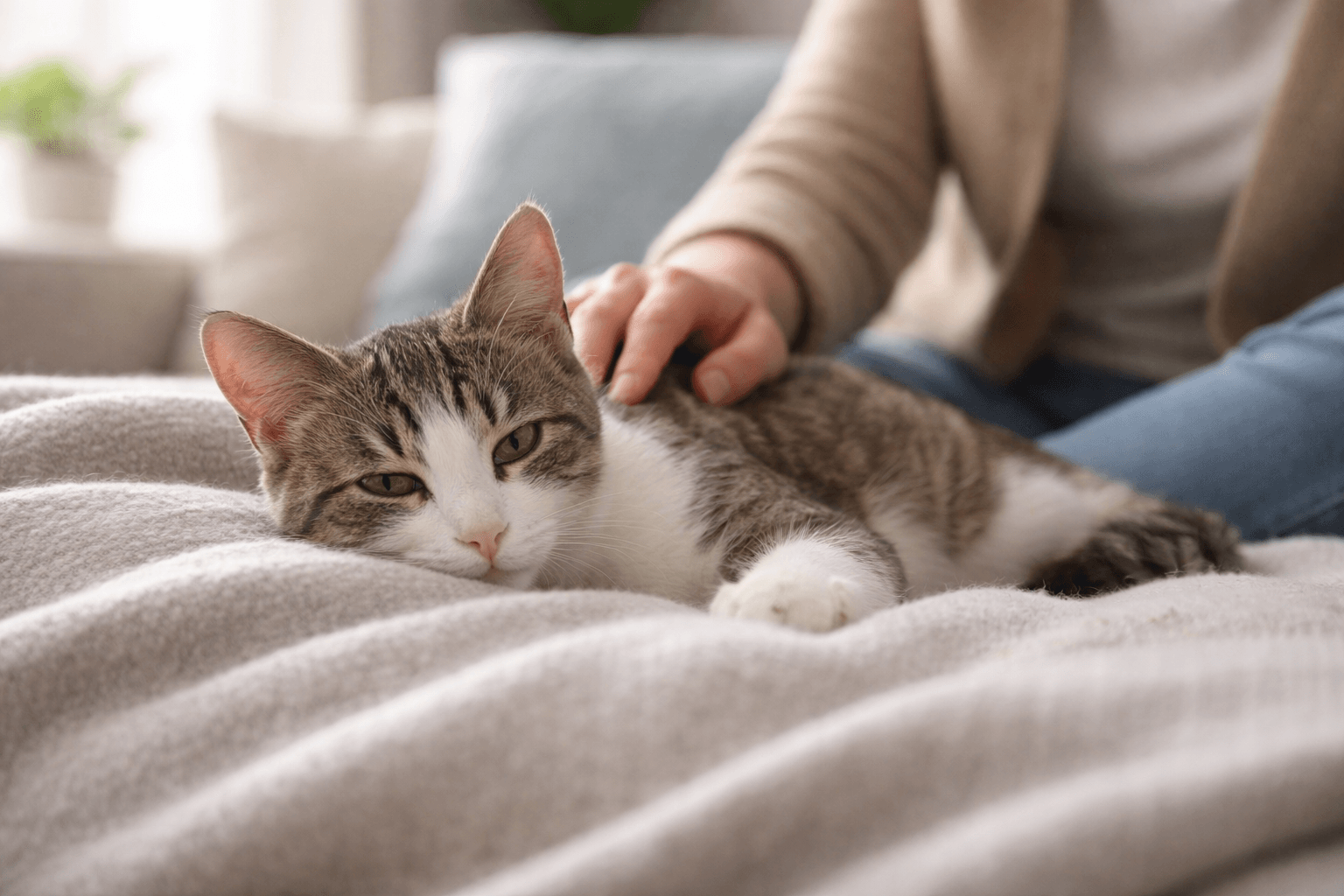
Feline infectious peritonitis (FIP) is one of the most feared diseases in cats. For many years it was considered almost always fatal, but newer antiviral treatments now mean that a diagnosis of FIP is no longer an automatic death sentence. Still, early recognition and fast veterinary care are critical.
In this in-depth guide, we’ll explain what the FIP virus in cats actually is, how it develops from common feline coronavirus, the subtle early symptoms, modern treatment options and realistic prognosis. You’ll also learn how to reduce the risk of FIP in multi-cat homes, catteries and shelters.
This article is written for caring cat parents who want clear, science-based information in plain language. It is not a substitute for an in-person veterinary exam, but it should help you understand your vet’s advice and ask better questions.
What Is FIP in Cats?
Feline infectious peritonitis (FIP) is an immune-mediated disease caused by a mutation of the common feline coronavirus (FCoV). Most cats who pick up feline coronavirus never become seriously ill – they may have no symptoms or only mild diarrhoea. But in a small percentage of cats, the virus mutates inside the body and the immune system reacts abnormally. This mutated form is what we call the “FIP virus”, and it can cause severe inflammation in organs such as the abdomen, chest, eyes and brain.
Important points for cat owners:
- Feline coronavirus is very common in multi-cat environments, but only a small minority of infected cats develop FIP.
- Feline coronavirus and FIP are not the same virus as COVID-19 and cannot infect humans.
- FIP is not contagious in the usual sense – cats catch feline coronavirus from each other, but the mutated FIP virus tends to arise inside an individual cat rather than being passed from cat to cat.
Which Cats Are Most at Risk of FIP?
Any cat can develop FIP, but the disease is most often seen in:
- Kittens and young cats under two years of age.
- Cats living in multi-cat households, breeding catteries or rescue centres, where feline coronavirus circulates more easily.
- Cats who have recently been through major stress – rehoming, moving house, surgery, heavy parasite burdens, or overcrowding.
- Cats with weakened immune systems from other infections or poor early nutrition.
Because FIP often appears some weeks after a stressful event or rehoming, new adopters may feel guilty, thinking they “caused” the illness. In reality, the groundwork is laid much earlier – usually in the kitten’s original environment.
For a broader look at keeping young cats healthy and spotting early warning signs of trouble, you may also like our guides on why your cat isn’t eating and our complete cat eye health guide.
Types of FIP: Wet, Dry and Neurological Forms
Vets usually describe FIP in cats as one of three overlapping forms. A cat can show signs from more than one category at the same time.
1. Effusive or “Wet” FIP
This form is characterised by a build-up of thick, straw-coloured fluid in the abdomen and/or chest. It leads to:
- Bloated or pot-bellied abdomen that feels fluid-filled rather than fat.
- Breathing difficulties if fluid collects around the lungs.
- Rapid progression – cats can become very sick in days to weeks.
2. Non-Effusive or “Dry” FIP
In dry FIP, there is little or no free fluid. Instead, inflammatory nodules (“granulomas”) form in organs such as the kidneys, liver, intestines, eyes and brain. Signs are often more subtle at first and may include:
- Slow, unexplained weight loss.
- Ongoing fever that doesn’t respond well to antibiotics.
- Poor appetite, low energy and rough coat.
- Eye changes – cloudy eyes, bleeding in the eye, dilated pupils.
- Neurological signs such as wobbliness or behaviour changes.
3. Neurological and Ocular FIP
When the FIP virus affects the brain, spinal cord or eyes, cats may show:
- Staggering or uncoordinated walk (ataxia).
- Head tilt, tremors or seizures.
- Sudden changes in behaviour or personality.
- Vision loss, unequal pupils or flickering eye movements.
Because these signs overlap with other diseases such as toxoplasmosis or brain tumours, a careful veterinary work-up is essential.
Early Subtle Symptoms of FIP in Cats
One of the biggest challenges with FIP is that early signs can be very vague. In the first phase, many cats simply look like they have “a virus” or are just a bit off-colour. Watch for combinations of:
- Low energy or hiding more than usual.
- Reduced appetite or fussiness with food.
- Weight loss despite eating reasonably well.
- Intermittent fevers that come and go.
- Mild diarrhoea or soft stools.
If your cat’s appetite and energy are not improving within a couple of days, or you notice a firm pot-belly, breathing changes, eye problems or wobbliness, contact your vet urgently. Fast diagnosis dramatically improves the chance of successful FIP treatment.
How Vets Diagnose FIP in Cats
There is no single “yes/no” test for FIP. Instead, vets put together the history, clinical examination and a combination of laboratory and imaging tests to build up a strong suspicion.
1. History and Physical Exam
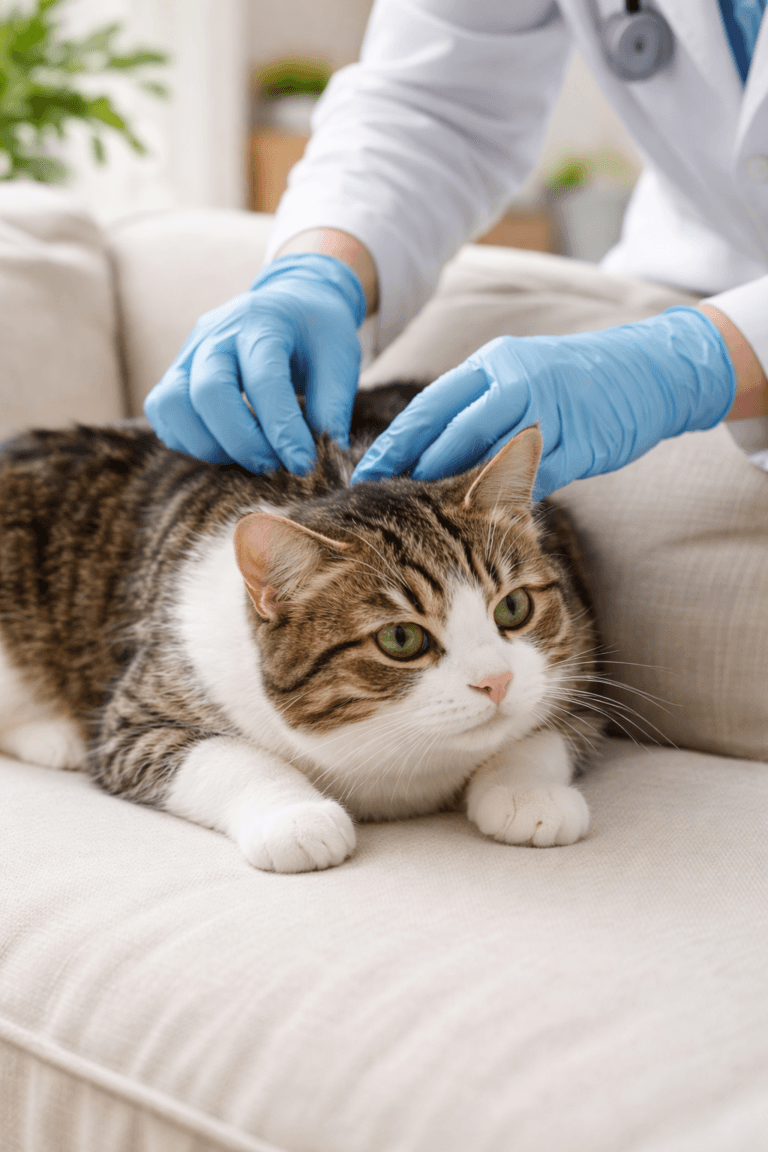
Your vet will ask about your cat’s background – age, origin (breeder, shelter, street rescue), how many other cats live in the home, recent stressors and vaccination/parasite control. On examination they look for signs such as fever, abdominal enlargement, pale or yellow gums, eye changes and neurological deficits.
2. Blood Tests
Routine blood work can’t prove FIP, but it often shows a typical pattern:
- High total protein, especially globulins.
- Low albumin, leading to a low albumin:globulin ratio.
- Mild anaemia.
- Raised liver enzymes or kidney changes in some cats.
Some labs also run coronavirus antibody titres or PCR tests, but these mainly show exposure to feline coronavirus rather than confirming FIP on their own.
3. Analysis of Abdominal or Chest Fluid
In wet FIP, sampling the fluid (via a gentle needle tap) is one of the most useful tests. Typical FIP fluid is:
- Straw-coloured, cloudy and sticky or stringy.
- High in protein, with relatively few cells.
Specialised PCR tests on this fluid can sometimes detect FIP-associated coronavirus mutations, adding weight to the diagnosis.
4. Imaging and Advanced Tests
Ultrasound, X-rays or CT scans help identify fluid, organ enlargements and neurological lesions. In a few cases, biopsies or sampling tissue from affected organs are needed, especially in dry FIP. These advanced tests are usually performed by internal medicine specialists.
Because FIP is so serious, many vets will start FIP-specific antiviral treatment once the suspicion is high, rather than waiting weeks for a perfect confirmation. Early therapy can be life-saving.
Treatment of FIP in Cats: Why the Outlook Is Changing
For decades, FIP in cats was considered almost uniformly fatal. Supportive care could make cats more comfortable for a short time, but most would deteriorate. Thankfully, this picture has changed dramatically with the arrival of modern antiviral drugs.
1. Antiviral Medications (GS-441524 and Remdesivir)
Newer antivirals that target the FIP virus directly have revolutionised treatment. The two main drugs used worldwide are GS-441524 and its closely related form remdesivir. Under veterinary guidance, these medications can lead to remission – and in many cats, an apparent cure. Published case series report survival rates well above 80% when treatment is started early and given correctly.
Key points for owners:
- Treatment courses are usually at least 12 weeks, sometimes longer for neurological or ocular FIP.
- The drugs may be given as daily tablets or injections, depending on local regulations and your vet’s protocol.
- Regular check-ups and blood tests are essential to monitor response and adjust the dose.
- Relapses can occur, especially if treatment is stopped too early or doses are missed, but many relapses also respond to another full course.
Because laws and availability differ between countries, only your veterinarian can advise which FIP treatments are legally obtainable and appropriate where you live.
2. Supportive and Symptomatic Care
Alongside antivirals, vets tailor supportive therapy to your cat’s needs, which may include:
- Intravenous or subcutaneous fluids to correct dehydration.
- Pain relief and careful use of anti-inflammatory medications.
- Appetite stimulants, anti-nausea medication and gut protectants.
- Careful drainage of chest or abdominal fluid if breathing is compromised.
- Eye drops or additional medications for ocular and neurological involvement.
Nutritious, highly digestible food is vital during recovery. Our Complete Cat Nutrition Guide 2025 explains how to support sick and convalescent cats with the right diet portions and feeding tips.
3. Home Care During and After FIP Treatment
Caring for a cat on FIP treatment is an emotional marathon. Practical tips include:
- Create a quiet, warm recovery space away from boisterous pets and young children.
- Offer small, frequent meals of high-quality wet or mixed wet/dry food; consider warming food slightly to boost aroma.
- Use low-sided litter trays and easy access to water and resting spots, especially for wobbly or weak cats.
- Keep a daily log of appetite, energy, breathing effort, temperature (if advised by your vet) and tablet/injection times.
- Stay in regular contact with your vet about any vomiting, diarrhoea, seizures, sudden lethargy or breathing changes.
Many families find it helpful to schedule short, calm “bonding sessions” – gentle grooming, hand-feeding or simple quiet presence – to keep the cat’s stress low and maintain your connection during treatment.
Can FIP in Cats Be Prevented?
Because FIP arises from a mutation of common feline coronavirus, prevention focuses on reducing exposure to FCoV and supporting strong immune systems, especially in kittens.
1. Litter Box and Hygiene Management
- Provide one litter tray per cat plus one extra, spread around the home.
- Clean trays daily and empty/disinfect them regularly.
- Avoid overcrowding – large groups of cats sharing a small space have much higher coronavirus levels in their environment.
- Separate kittens and vulnerable cats from known FCoV shedders where possible.
2. Stress Reduction and General Health
Stress appears to be a major trigger for FIP in susceptible cats. Try to:
- Introduce new pets gradually using scent-swapping and controlled meetings.
- Keep up to date with routine vaccinations, parasite control and dental care.
- Offer predictable routines, safe hiding places and vertical spaces.
- Feed nutritionally complete diets – see our guide on home care for vomiting cats for more on diet and gut health.
3. FIP Vaccination – Is It Recommended?
An intranasal vaccine against FIP exists in some countries, but most specialist organisations consider it of limited benefit and do not recommend it for routine use, especially in multi-cat environments where kittens are often already exposed to coronavirus before vaccination age. Discuss the pros and cons with your vet if you are considering it for a specific situation.
When Is FIP an Emergency?
Contact an emergency vet immediately if your cat with suspected or diagnosed FIP shows:
- Struggling to breathe, breathing with an open mouth or blue-tinged gums.
- Collapse, seizures or inability to stand.
- Sudden severe swelling of the abdomen.
- Profound lethargy, not responding to you, or being too weak to move.
- Continuous vomiting or inability to keep medication down.
If you’re unsure but worried, it is always better to phone your vet or local emergency clinic for advice rather than waiting.
FAQs About FIP in Cats
1. Is FIP in cats contagious to other cats?
Cats catch feline coronavirus from each other, mainly via shared litter trays. However, the mutated FIP virus usually arises inside the individual cat. If you have multiple cats, they are probably already exposed to coronavirus. Your vet may suggest extra hygiene and monitoring, but immediate separation is not always necessary.
2. Can people or dogs catch FIP from a cat?
No. FIP is caused by a species-specific feline coronavirus that does not infect humans or dogs. It is completely different from SARS-CoV-2, the virus that causes COVID-19.
3. How long can a cat live with FIP without treatment?
Untreated, many cats with wet FIP survive only a few days to weeks after obvious symptoms appear. Dry FIP can smoulder for longer, but the outlook is still poor without antiviral therapy. This is why early diagnosis and starting treatment promptly are so important.
4. What is the success rate of FIP treatment?
Published reports and large owner groups suggest that well over 80% of treated cats can reach remission, especially if therapy begins early and is completed as recommended. Neurological or ocular FIP is more challenging but still has a realistic chance of success with higher-dose protocols under specialist guidance.
5. Should I adopt littermates or multiple kittens if I’m worried about FIP?
Adopting siblings can be wonderful, but any multi-kitten environment carries some FCoV risk. Choose reputable rescues or breeders who practise good hygiene, avoid overcrowding and are transparent about health issues in their lines. Our article on separation anxiety in dogs and cats also discusses healthy bonding and independence in multi-pet homes.
Helpful Internal Resources from GV Animal Hospital
- Cat Eyes: Vet Guide to Healthy Feline Vision & Eye Problems
- Complete Cat Nutrition Guide 2025
- Why Is My Cat Not Eating? Vet-Approved Causes & Home Care
- Home Treatment for Cat Vomiting – Vet Online Guide
- Cat Poisoning Emergency Guide – Symptoms, First Aid and Vet Treatment
External Vet-Approved References
- PDSA – Feline Infectious Peritonitis in Cats
- Veterinary Partner (VIN) – Feline Infectious Peritonitis
- FIP Cats UK – Clinical FIP Treatment Guidance for Vets
Take the Next Step: Get Vet-Written Cat Health Guides
Dealing with FIP or any serious illness in cats is overwhelming. If you’d like structured, vet-approved guidance on everyday health, emergencies, behaviour and nutrition, you can download our complete set of dog and cat health eBooks.
📘 Buy Vet-Approved Dog & Cat Health eBooks
Conclusion: Hope and Realism with FIP in Cats
Feline infectious peritonitis used to be one of the most heartbreaking diagnoses in feline medicine. Today, while FIP in cats is still a serious and complex disease, there is genuine hope. Modern antivirals, careful monitoring and dedicated home nursing mean that many cats not only survive FIP but return to an excellent quality of life.
If you suspect FIP in your cat, don’t delay. Book a vet appointment as soon as possible, share your concerns openly and ask whether modern FIP treatment options are available in your country. With early diagnosis, informed owners and strong teamwork between you and your veterinary team, your cat has the best possible chance.
Medical Disclaimer
This article is for general information and education only. It does not replace a full physical examination, diagnostic testing or personalised treatment plan from your own veterinarian. Never start, stop or change any medication for your cat without veterinary advice. If your pet is unwell, in pain or deteriorating, contact a vet immediately.




2 Comments