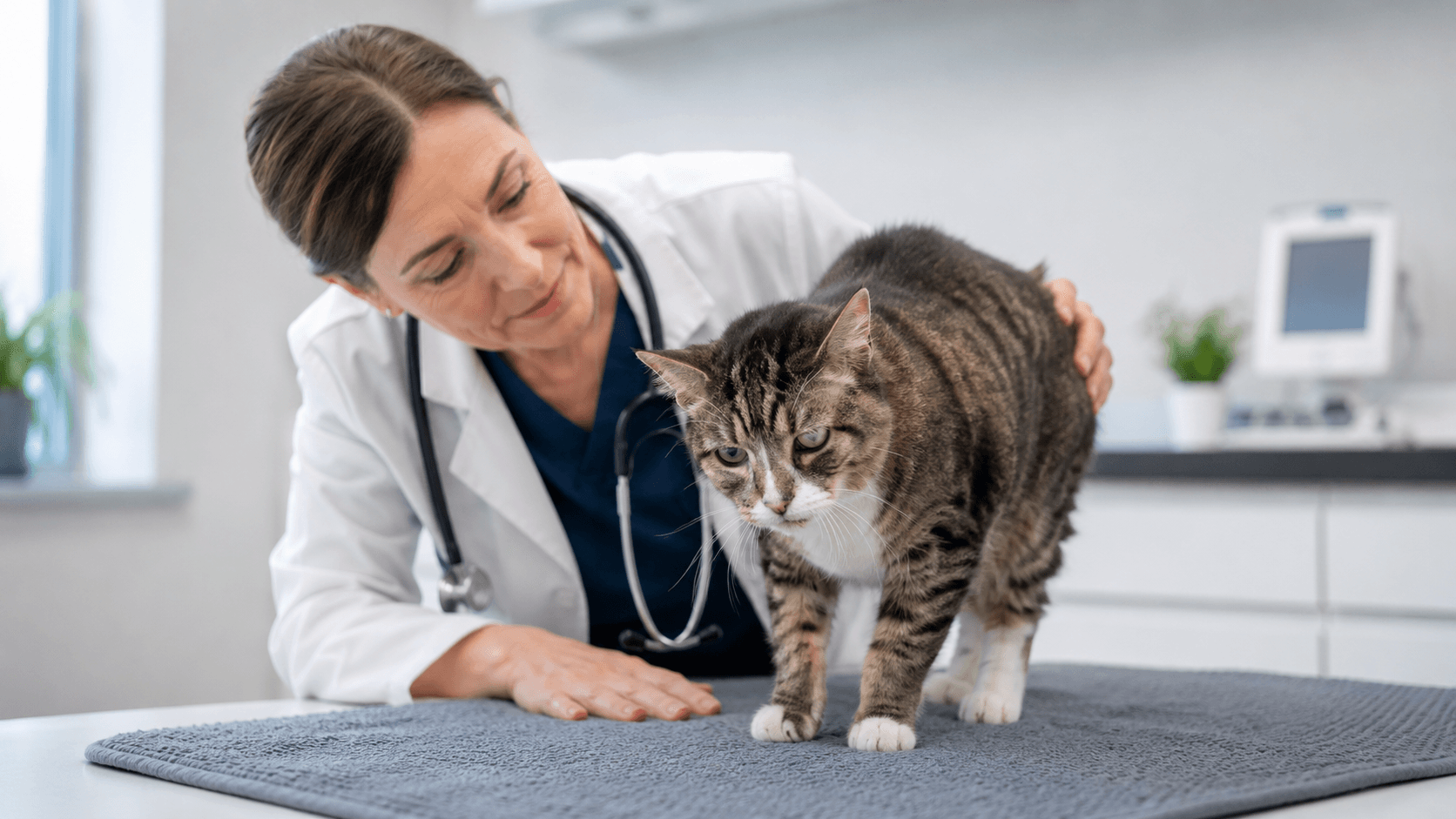
Senior Cat Mobility & Emergency Guide
An old cat losing balance can worry any owner, especially when the cat starts walking wobbly, falling over, tilting the head, stumbling, circling, or seeming suddenly unsteady on the feet. Sometimes an old cat losing balance has an inner ear or vestibular problem that looks dramatic but may improve with the right care. Other times, poor balance in a senior cat can be linked to pain, weakness, high blood pressure, toxin exposure, kidney disease, trauma, neurological disease, or a true emergency. If your old cat losing balance is also collapsing, breathing abnormally, unable to stand, having seizures, vomiting repeatedly, or acting severely distressed, urgent veterinary care is needed.
Senior cats often hide illness until the problem becomes obvious. A cat may quietly avoid jumping, walk more slowly, sleep in lower places, or seem less confident on stairs before the owner notices balance changes. In other cases, the change happens suddenly: the cat stands up, falls to one side, tilts the head, rolls, or cannot walk straight.
At General Veterinary Hospital Lahore, Dr Zahid Afzal DVM often explains senior cat balance problems with a simple question: is the cat dizzy, weak, painful, blind, neurologically affected, or unable to coordinate the back legs? These may all look similar at home, but they are not the same medically.
This guide is written for cat owners in the US, UK, Canada, Australia, and other English-speaking countries who want practical, veterinary-style guidance. It will help you understand what old cat losing balance may mean, which signs are urgent, what home observations are useful, and what your veterinarian may check.
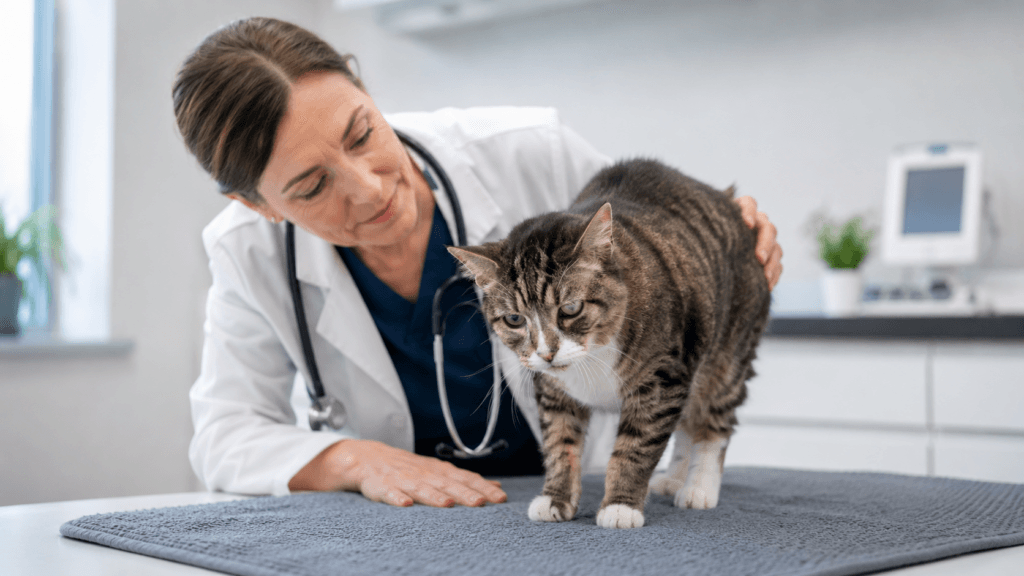
Emergency Warning: When Balance Loss Needs Urgent Care
Seek urgent veterinary care if your senior cat is losing balance and you notice any of these signs:
- Sudden collapse or inability to stand
- Repeated falling, rolling, or severe disorientation
- Seizures, tremors, or loss of consciousness
- Fast breathing, open-mouth breathing, or blue/pale gums
- Severe head tilt with vomiting or distress
- Dragging the back legs or cold hind paws
- Possible poisoning, medication exposure, or trauma
- Sudden blindness, very wide pupils, or bumping into objects
- Weakness with repeated vomiting, severe lethargy, or refusal to eat
- Straining to urinate or repeated litter box visits with little urine
A mildly wobbly senior cat should be examined soon. A senior cat that cannot walk safely, falls repeatedly, or looks distressed needs help immediately.
What Does Balance Loss in an Older Cat Look Like?
Balance loss can look different depending on the cause. Some cats walk as if the floor is moving. Some fall to one side. Some keep the head tilted. Some stumble mainly in the back legs. Some look weak rather than dizzy. Some cannot jump but can still walk. Others circle, roll, or seem confused.
Owners may describe the problem as:
- Old cat walking wobbly
- Cat losing balance and falling over
- Cat head tilt and losing balance
- Cat stumbling back legs
- Cat unsteady on feet
- Senior cat falling when walking
- Cat suddenly walking like drunk
These descriptions are useful because they help your vet decide whether the problem is more likely vestibular, neurological, painful, orthopedic, toxic, metabolic, or weakness-related.
If your cat is mainly limping on one leg, your existing article on why a cat is limping is a useful related guide. If the back legs suddenly stop working or the cat is dragging the back legs, your newer article on cat hind leg paralysis is more relevant.
Balance Problem
Head tilt, falling to one side, rolling, circling, abnormal eye movement, nausea, or dizziness-like signs.
Weakness Problem
Low energy, muscle loss, poor appetite, dehydration, weight loss, inability to jump, or shaky walking.
Pain Problem
Reluctance to move, hiding, growling, stiffness, limping, avoiding stairs, or difficulty using the litter box.
1. Vestibular Disease in Cats
Vestibular disease is one of the most common reasons owners become alarmed by sudden balance loss. The vestibular system helps the body understand position, movement, and balance. When it is disturbed, a cat may feel dizzy, fall over, tilt the head, walk in circles, or move the eyes abnormally.
Cat vestibular disease symptoms can appear suddenly. A cat may be normal one moment and then unsteady, tilted, or falling shortly afterward. This can look like a stroke to an owner, even though many vestibular cases are not the same as a human stroke.
Possible signs include:
- Head tilt
- Loss of balance
- Falling or rolling to one side
- Walking in circles
- Nausea or vomiting
- Reluctance to eat because of dizziness
- Rapid abnormal eye movement
- Confusion or distress from feeling off-balance
Vestibular signs can come from the inner ear, middle ear, brain, inflammation, infection, trauma, toxins, or sometimes no clear cause. Because some causes are more serious than others, a veterinary exam is important, especially in senior cats.
Vet Insight from Dr Zahid Afzal DVM
When an old cat loses balance suddenly, the owner often thinks of stroke first. But in cats, severe dizziness from vestibular disease, ear disease, blood pressure problems, poisoning, weakness, or back-leg disease can all look similar at home. The pattern of head tilt, eye movement, paw placement, pain, and body strength helps guide the diagnosis.
2. Ear Infection, Ear Mites, or Middle Ear Disease
The ear is closely connected with balance. An outer ear problem may cause scratching and discomfort, while deeper middle or inner ear disease can affect balance, head position, and coordination. A senior cat losing balance with head tilt, ear odor, ear discharge, head shaking, or pain around the ear should be checked.
Ear mites are more common in kittens and young cats, but adult and senior cats can still develop ear irritation, waxy debris, infection, inflammation, or deeper ear problems. If the cat keeps scratching the ears, shaking the head, or has dark ear debris, your article on cat ear infection and ear mites is a natural internal link.
Do not put random drops, oils, peroxide, or home remedies into the ear without diagnosis. If the eardrum is damaged or the infection is deep, the wrong product can make things worse.
3. High Blood Pressure and Sudden Vision Problems
Older cats can develop high blood pressure, often linked with kidney disease, hyperthyroidism, or other systemic illness. High blood pressure can damage the eyes and may cause sudden vision changes. A cat that suddenly cannot see well may bump into objects, hesitate, freeze, cry, widen the pupils, or seem unsteady because the environment feels unfamiliar.
Vision loss can be mistaken for balance loss. A blind or visually impaired cat may walk carefully, misjudge jumps, fall from furniture, or avoid stairs. If the pupils look very large, the cat bumps into walls, or vision changes are sudden, veterinary care should not be delayed.
Your cat eyes guide can support readers who need help recognizing eye changes, while this article should emphasize that sudden vision change in an old cat needs prompt veterinary assessment.
4. Kidney Disease, Dehydration, and General Weakness
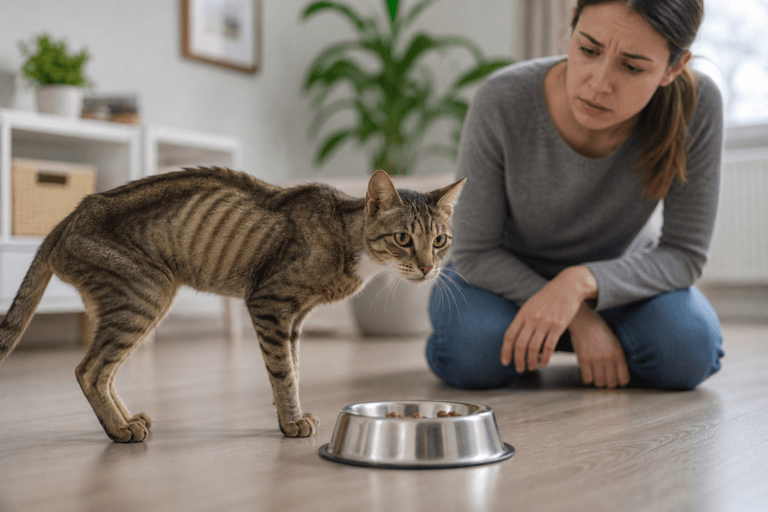
Chronic kidney disease is common in older cats. It does not usually cause a classic spinning or head-tilt balance problem by itself, but it can cause weakness, dehydration, weight loss, nausea, poor appetite, muscle loss, and low energy. A weak senior cat may appear unsteady, especially when jumping, turning, or stepping into the litter box.
Owners may notice increased thirst, larger urine clumps, weight loss, vomiting, bad breath, reduced appetite, constipation, dull coat, or sleeping more. If these signs are present, internal linking to your guide on cat kidney disease is strongly relevant.
A senior cat losing balance with weight loss should also connect naturally to your article on why cats lose weight.
5. Pain, Arthritis, and Mobility Decline
Many senior cats develop joint pain, spinal discomfort, muscle loss, or stiffness. These cats may not look dizzy. Instead, they look hesitant, careful, weak, or unsteady. They may avoid jumping, land awkwardly, slip on smooth floors, miss the litter box, or stop climbing to favorite resting places.
Pain-related balance changes may be subtle. A cat may still walk but become less graceful. It may pause before jumping, use claws more on furniture, sleep in lower areas, or become irritable when touched around the back or hips.
Because cats hide pain so well, your guide on subtle signs cats are hiding pain is a strong internal link for this section.
6. Toxin Exposure or Medication Side Effects
Toxins can cause wobbliness, tremors, weakness, drooling, vomiting, seizures, collapse, or unusual behavior. Cats may be exposed to unsafe flea products, human medications, rodenticides, plants, chemicals, insecticides, essential oils, or contaminated substances.
Some medications can also cause sedation, weakness, or unsteady walking, especially if the dose is too high, the cat is dehydrated, or the cat has kidney or liver disease. Never adjust prescription medication without veterinary guidance, but do tell your vet if balance changes started after a new medicine.
If poisoning is possible, link readers to your article on cat poisoning emergency signs and first aid. Do not recommend inducing vomiting at home unless directed by a veterinarian or poison helpline.
Balance Clues: What the Pattern May Suggest
| What You Notice | Possible Concern | Urgency |
|---|---|---|
| Head tilt and falling to one side | Vestibular disease, ear disease, neurological issue | Vet exam soon; urgent if severe or distressed |
| Sudden blindness or bumping into objects | High blood pressure, eye disease, neurological problem | Urgent veterinary care |
| Wobbly with vomiting or possible toxin exposure | Poisoning, medication reaction, systemic illness | Emergency now |
| Unsteady with weight loss and thirst | Kidney disease, hyperthyroidism, diabetes, chronic illness | Vet appointment soon |
| Stiff, careful, avoids jumping | Arthritis, back pain, muscle loss, weakness | Vet exam and pain assessment |
7. Stroke-Like Signs in Cats
Owners often use the word “stroke” when a cat suddenly walks wobbly, falls, tilts the head, or seems confused. True strokes can happen in cats, but they are not the only explanation. Vestibular disease, high blood pressure, ear disease, toxin exposure, seizures, and blood-flow problems can look stroke-like from the outside.
Possible stroke-like signs include sudden weakness, head tilt, circling, abnormal eye movement, confusion, seizures, collapse, or sudden behavior change. These signs should be taken seriously. Even if the final diagnosis is not a stroke, a senior cat with sudden neurological signs needs prompt examination.
8. Neurological Disease, Tumors, or Inflammation
Brain, spinal cord, or nerve problems can cause balance loss, weakness, tremors, seizures, circling, personality change, or abnormal walking. Some problems come on suddenly; others develop slowly over time.
Neurological disease may require a detailed exam and, in some cases, referral imaging such as MRI or CT. Not every cat needs advanced imaging immediately, but persistent or severe neurological signs should not be ignored.
9. Back-Leg Weakness That Looks Like Balance Loss
Sometimes an old cat losing balance is not dizzy at all. The cat may be stumbling because the back legs are weak, painful, numb, or not coordinating properly. This is different from vestibular disease.
Back-leg problems may involve arthritis, muscle loss, nerve disease, spinal disease, injury, diabetes-related nerve changes, or blood-flow problems. Sudden back-leg failure, dragging, or cold paws should be treated as urgent. Link readers to cat hind leg paralysis and back legs not working for this specific emergency pattern.
Do Not Give Human Medication
Never give ibuprofen, acetaminophen/paracetamol, aspirin, sedatives, dizziness medicine, antibiotics, or leftover medication to a cat unless a veterinarian specifically instructs you. Many human medicines are dangerous for cats, and balance problems need diagnosis before treatment.
What to Do at Home Before the Vet Visit
If your senior cat is losing balance, the safest home plan is to prevent falls, reduce stress, and collect useful information. Do not try to force walking or test the cat repeatedly.
Keep Your Cat in a Safe Low Area
Place your cat in a quiet room with no stairs, high furniture, or slippery floors. Use soft bedding and keep food, water, and a low-entry litter box nearby. A wobbly cat can fall from beds, sofas, windowsills, and cat trees.
Do Not Force Movement
Do not make your cat walk to “see if it improves.” Repeated walking can increase stress and risk injury. If the cat is falling, keep them still and call your vet.
Record a Short Video
A short video can help your veterinarian see the pattern: head tilt, falling direction, eye movement, walking style, back-leg weakness, or confusion. Keep the video brief and do not distress the cat to capture it.
Check for Other Signs
Note appetite, thirst, urination, vomiting, stool, ear scratching, head shaking, eye changes, weight loss, medication use, possible toxin exposure, trauma, and whether the signs started suddenly or gradually.
Use a Carrier for Transport
A wobbly cat should travel in a secure carrier with soft bedding. Do not carry the cat loose in your arms, especially if the cat is dizzy, frightened, or painful.
What Your Vet May Check
A veterinary exam for an old cat losing balance may include a full physical exam and a neurological assessment. Your vet may look for signs of ear disease, pain, weakness, dehydration, high blood pressure, eye changes, kidney disease, toxin exposure, or true neurological disease.
Ear Exam
Checks for wax, infection, ear mites, pain, inflammation, discharge, or deeper ear concerns.
Neurological Exam
Assesses head tilt, eye movement, reflexes, paw placement, coordination, and nerve function.
Blood Pressure
Important in senior cats, especially with sudden vision changes, kidney disease, or thyroid disease.
Blood Work
May screen kidney values, thyroid hormone, glucose, electrolytes, anemia, infection, and inflammation.
Urinalysis
Helps assess kidney function, hydration, diabetes clues, and urinary health.
Imaging
X-rays, ultrasound, CT, or MRI may be considered depending on trauma, ear disease, or neurological signs.
Can an Old Cat Recover from Balance Problems?
Recovery depends on the cause. Some vestibular cases improve with time and supportive care. Ear infections may improve with the correct diagnosis and treatment. Weakness from dehydration, kidney disease, or poor appetite may improve when the underlying illness is managed. Pain-related mobility problems may improve with safe veterinary pain control and home adjustments.
More serious causes, such as severe neurological disease, advanced systemic illness, poisoning, uncontrolled blood pressure, or trauma, may have a more guarded outlook. Early assessment gives your cat the best chance and helps avoid suffering.
The important point is not to assume that old age itself is the diagnosis. Aging can make cats more vulnerable, but treatable problems are common. A senior cat deserves investigation, comfort, and a realistic care plan.
Home Safety Changes for a Wobbly Senior Cat
While your cat is recovering or waiting for a diagnosis, small home changes can reduce injury risk.
- Use non-slip rugs or mats on smooth floors.
- Block access to stairs until walking improves.
- Remove access to high cat trees, windowsills, or shelves.
- Use low-entry litter boxes.
- Keep food and water on the same floor as the resting area.
- Provide soft bedding in a quiet room.
- Use night lights for cats with vision or confidence problems.
- Avoid sudden furniture rearrangement for cats with poor vision or cognitive decline.
For emergency preparation, your article on emergency first aid for dogs and cats is a useful internal link.
Emergency Today
Collapse, repeated falling, seizures, severe head tilt, breathing trouble, sudden blindness, toxin exposure, trauma, cold hind paws, or inability to walk.
Vet Visit Soon
Mild wobbliness, gradual balance change, reduced jumping, stiffness, weight loss, thirst changes, or senior-cat weakness.
FAQs About an Old Cat Losing Balance
Why is my old cat losing balance?
An old cat losing balance may have vestibular disease, ear infection, high blood pressure, vision problems, arthritis, weakness, kidney disease, toxin exposure, trauma, or neurological disease. A vet exam is needed to identify the cause.
Why is my senior cat walking wobbly suddenly?
Sudden wobbly walking may be caused by vestibular disease, poisoning, trauma, stroke-like neurological signs, severe weakness, or blood pressure-related problems. Sudden signs should be checked promptly.
Can an ear infection make a cat lose balance?
Yes. Ear disease, especially deeper middle or inner ear problems, can affect balance and cause head tilt, falling, circling, or discomfort.
Is vestibular disease in cats an emergency?
Vestibular signs should be assessed by a vet, especially if they are sudden or severe. Emergency care is needed if your cat cannot stand, vomits repeatedly, has seizures, breathes abnormally, collapses, or seems severely distressed.
Can kidney disease make an old cat unsteady?
Kidney disease can cause dehydration, weakness, weight loss, nausea, and poor appetite, which may make a senior cat seem unsteady. It does not usually cause classic spinning dizziness by itself, so testing is important.
What should I do if my cat keeps falling over?
Keep your cat in a safe low area, prevent stairs and jumping, record a short video if possible, and contact a veterinarian. Repeated falling is not normal.
Should I give my cat medicine for dizziness?
No. Do not give human dizziness medicine, sedatives, painkillers, or antibiotics unless a veterinarian instructs you. Balance loss has many causes, and the wrong medicine can be dangerous.
Final Takeaway
An old cat losing balance may have a temporary vestibular problem, but it can also signal ear disease, pain, high blood pressure, toxin exposure, kidney disease, vision loss, neurological disease, trauma, or severe weakness. The safest response is to look at the full pattern: head tilt, falling direction, eye movement, appetite, thirst, litter box habits, pain, breathing, and suddenness of onset.
Do not assume your cat is simply “getting old.” Keep your cat safe from falls, avoid home medication, and arrange veterinary care. If your cat is collapsing, repeatedly falling, unable to stand, breathing abnormally, seizing, suddenly blind, or possibly poisoned, seek urgent care immediately.
Medical disclaimer: This article is for educational purposes only and does not replace veterinary examination, diagnosis, or treatment. If your cat suddenly loses balance, cannot walk, collapses, has seizures, breathes abnormally, seems blind, or may have been exposed to toxins, contact a veterinarian urgently.