A Siberian cat combines a substantial longhaired appearance with an alert, often playful interest in household life. Its Russian origins and dense seasonal coat are part of the breed’s identity, but they do not make every individual equally outgoing, suited to every climate or safe for a person with cat allergy. Daily care should follow the actual animal and household rather than a romantic picture of a forest cat.
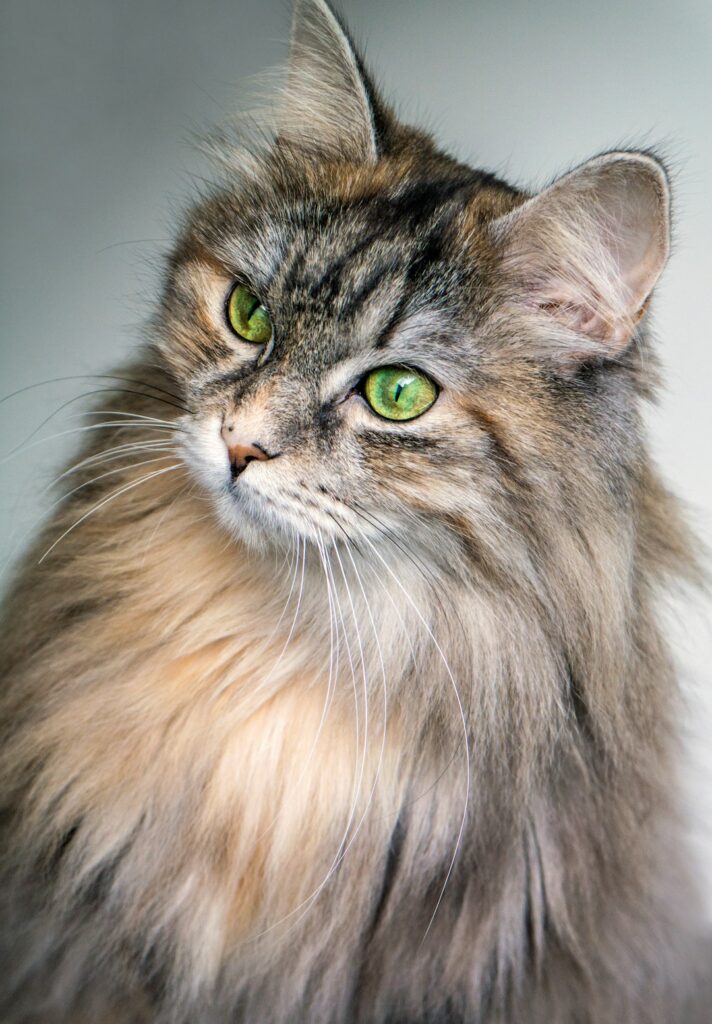
Before choosing one, consider grooming, usable space, companionship and veterinary planning alongside the attractive coat. If allergy is a major reason for considering the breed, discuss that with a qualified human healthcare professional before committing. This guide separates useful breed information from guarantees and explains how to build a practical routine for a kitten or adult.
Recognize the Siberian cat without relying on a photograph
Breed descriptions emphasize a strong body and a layered coat that can vary with the season. A winter ruff may make a cat look very different from its summer appearance, and young animals may not yet show the full adult coat or build. Do not interpret every change in outline as a problem, but distinguish expected development from actual weight or health change.
A long coat alone does not establish pedigree. Domestic longhaired cats can share features with registered breeds, so ask for appropriate records if ancestry is being claimed. Registration systems may describe particular colors or types differently. Identify the actual animal and its documented background rather than assuming every forest-like cat is a purebred Siberian.
Appearance should remain secondary to comfortable function. The cat needs to move, groom, eat and breathe normally regardless of show preferences. Avoid choosing solely for extreme size or a dramatic coat. Meet the individual where possible and ask about its ordinary behavior, handling and health rather than relying on a carefully selected photograph.
Understand Siberian cat allergy claims realistically
No cat breed can be guaranteed not to cause allergy. People react to allergens associated with cats, not simply to the length of visible fur, and reactions vary. Claims that a particular breed is hypoallergenic should not be treated as a medical assurance. An impressive laboratory number or a breeder’s experience with other families cannot establish what will happen in your home.
Consult an allergist or other appropriate clinician about your own situation before adoption, especially if asthma or significant reactions are involved. A brief visit or a sample of fur does not prove long-term tolerance. Symptoms can depend on exposure and other circumstances, so do not use an informal trial to override medical advice or pressure a family member into accepting a risk.
Our article on hypoallergenic cat claims provides broader context. If you decide that living with a cat is appropriate, follow a realistic management plan developed with the relevant healthcare professional. Do not assume the breed’s coat, a special shampoo or a single air-cleaning device removes the need for that discussion.
Match Siberian cat companionship to the individual
Many breed profiles describe social, curious cats, but temperament varies with genetics, experience and current comfort. An animal may enjoy following people while preferring to sit nearby rather than be carried. Ask about the individual Siberian cat’s response to visitors, quiet periods and ordinary household activity. Those details help you plan a match more effectively than a promise that all Siberians love everyone.
Provide several ways to share space. A broad secure perch near your workspace, a quiet bed and a hide away from activity let the cat choose its level of involvement. Do not make every approach an invitation to lift or cuddle it. Respecting a pause or departure can make interaction more comfortable and preserve trust during everyday handling.
Consider absences and holiday care before bringing the cat home. A familiar dependable caregiver needs to understand grooming, feeding and litter routines, not simply refill a bowl. Another cat may or may not be welcome, so avoid acquiring a companion automatically as a solution to workday absence. Relationships and resource arrangements require their own assessment.
Prepare Siberian cat climbing and resting space
Choose stable furniture and platforms with enough usable area for the animal to land, turn and rest. A substantial adult may not fit comfortably into a small enclosed bed designed around a kitten photograph. Choose Siberian cat furniture by dimensions and construction rather than relying on a weight claim alone. A cat’s jump can place different demands on support from quiet resting.
Provide easy routes down as well as up, including lower choices for kittens, older cats or those with reduced mobility. Keep landings clear of sharp corners, slippery objects and other pets’ resting spaces. The cat should not need a difficult leap every time it wants to leave a favored bed. Useful height includes dependable access, not just a dramatic position near the ceiling.
Inspect windows, balcony doors, blind cords and plants that become accessible from climbing furniture. Do not assume a forest-cat background makes an open window safe. Secure barriers and sensible household arrangements remain necessary. A new high route can expose hazards that were previously out of reach, so review the whole area before allowing unrestricted exploration.
Work through the Siberian cat coat gently
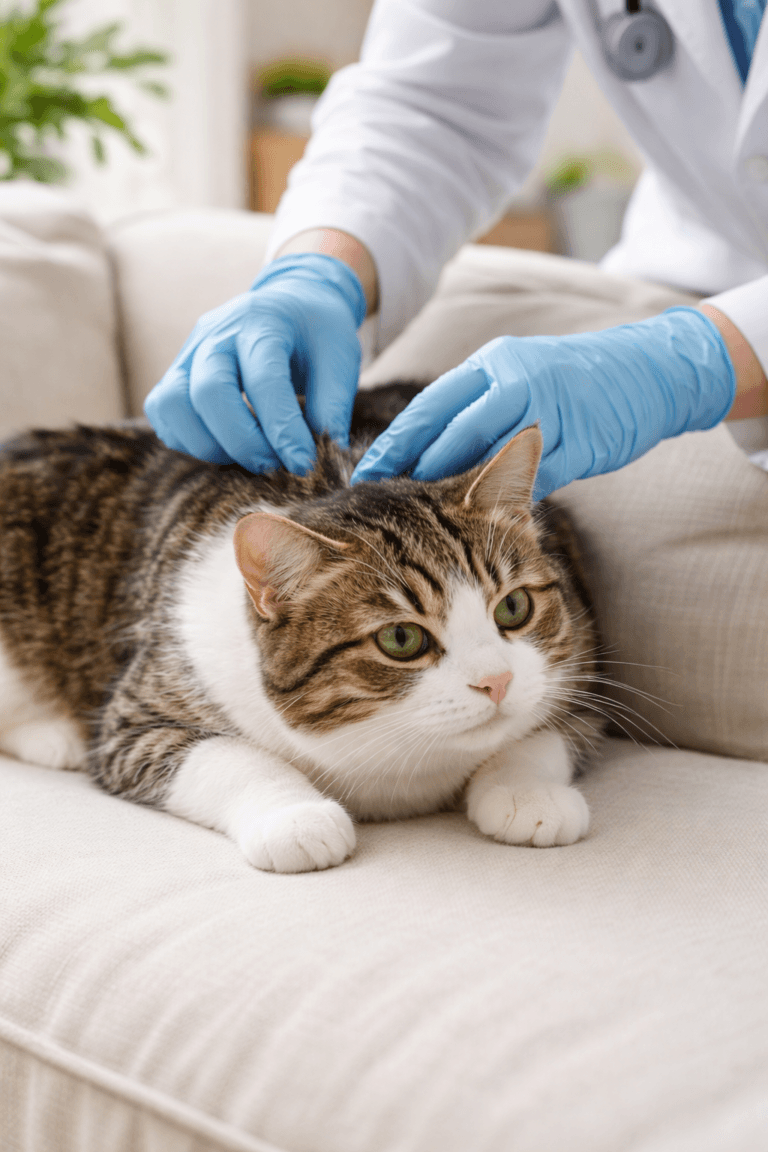
Learn the individual coat rather than following a universal brushing timetable. Check areas where friction and movement encourage tangles, including behind the ears, around the armpits and along the hindquarters. Seasonal shedding may change how often attention is needed. Brief frequent comfortable sessions can be easier than waiting until several areas have formed tight mats.
Use appropriate tools and separate the coat carefully without pulling against skin. A brush passing over the outer hair may miss tangles underneath. Ask a professional groomer or veterinary team to demonstrate how to assess the coat safely if you are unsure. Stop when the cat becomes uncomfortable rather than holding it firmly until the task is finished.
Do not cut close mats with household scissors. Skin can be drawn into a tangle and is easy to injure. Seek suitable professional help for painful or extensive matting, especially if the animal cannot tolerate handling. The goal is comfortable skin and a manageable coat, not preserving every strand at the expense of the cat’s welfare.
Teach Siberian cat grooming as a cooperative routine
Introduce the grooming area, tool and touch separately during calm moments. Reward relaxed investigation and one or two easy strokes before increasing the task. The cat should have a stable surface and a way to pause. A gentle introduction is more useful than waiting until the coat urgently needs attention and the animal has no experience of the procedure.
Check the skin as you work, noting redness, scabs, parasites, greasy areas or unusual sensitivity. A sudden change in grooming tolerance may reflect pain or illness rather than a new dislike of the brush. Tell your veterinarian about the change and its location. Repeatedly buying stronger tools does not address a medical reason for discomfort.
Include nail, ear and dental care in the wider handling plan, using appropriate products and professional demonstrations. Long fur can conceal problems, so ordinary observation remains important. Avoid routine bathing or clipping solely because of an allergy claim; discuss actual skin and coat needs first. A coat-care practice should benefit the animal rather than serve an unsupported promise to people.
Feed for growth, muscle and body condition
The breed can mature gradually, but slow development does not justify unrestricted feeding or attempts to accelerate size. Choose a complete diet appropriate to life stage and review growth with your veterinarian. A fluffy silhouette can hide excess fat or muscle loss, so learn to assess the body beneath the coat rather than comparing photographs.
Measure meals and include treats, food puzzles and training rewards in the total intake. A cat that enjoys searching for food can still be overfed if every activity adds an unmeasured extra portion. Keep drinking water available in comfortable locations and observe changes in thirst or appetite. Multiple feeding adults should share a clear plan to avoid accidental duplication.
Our cat nutrition guide explains balanced feeding and life-stage needs. Ask for advice before adding supplements to a suitable complete food. If weight changes unexpectedly, investigate the cause rather than assuming the animal is simply growing into or shedding its winter outline.
Offer play without turning the home into a racecourse
Provide opportunities to stalk, chase, investigate and catch suitable toys, with pauses and choices throughout the game. A cat may enjoy climbing and problem-solving without needing constant high-speed activity. Start food puzzles at an easy level and ensure the animal still receives adequate meals. Frustration is not a useful measure of how challenging an enrichment item is.
Manage strings, small parts and unattended wand toys carefully. An inquisitive animal can find ordinary packaging as interesting as a purchased toy. Put hazards away rather than expecting the cat to distinguish safe playthings by price or purpose. Rotate a manageable selection so you can inspect and clean items instead of leaving a large damaged collection scattered through the home.
If activity drops suddenly, consider comfort, environment and health. A quiet cat may be resting normally, but a marked change in jumping, grooming or interaction deserves attention. Keep observations specific and avoid attributing every behavior to the breed’s supposed independence. The animal’s own normal routine provides the most useful comparison.
Discuss Siberian cat health records intelligently
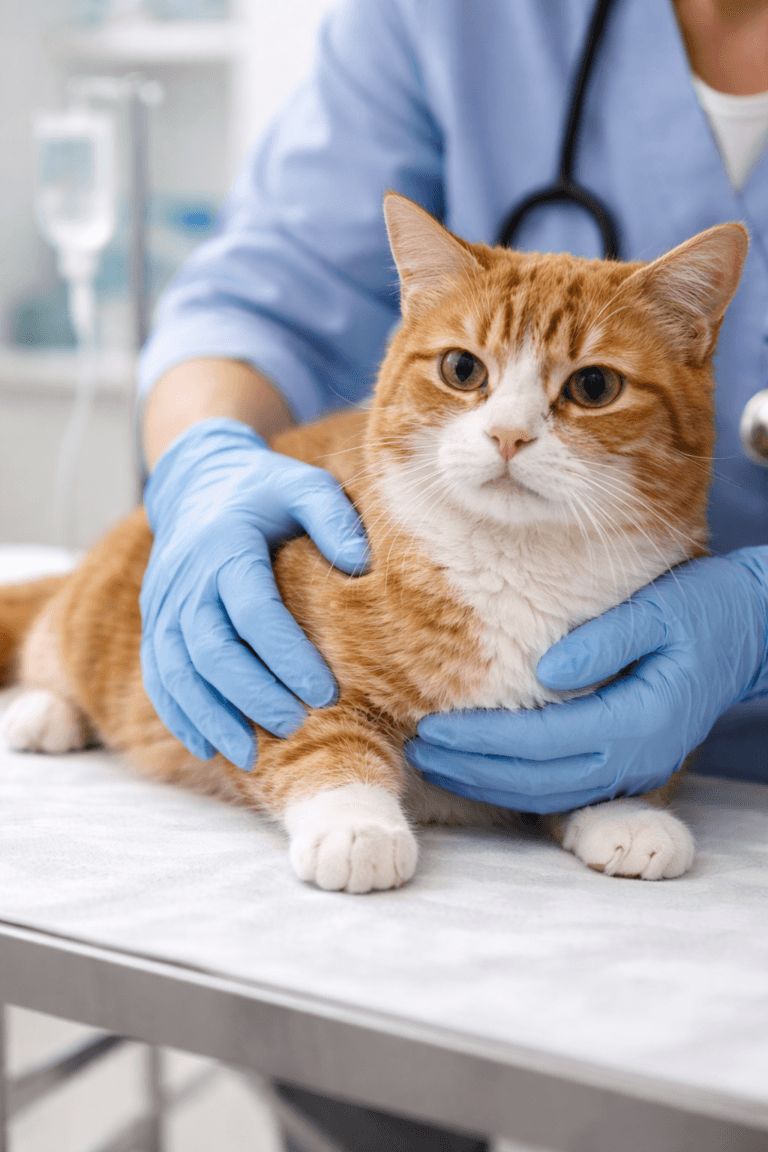
Ask the breeder or rescue for actual veterinary records and a clear account of the animal’s history. Where a breeder discusses screening, ask which tests were performed, on which animals and when. A commercial DNA panel examines particular variants; it does not exclude every inherited or acquired condition. Named reports are more informative than a general claim of perfect genetics.
Heart health is one topic to discuss with the veterinary team, including whether family history or examination findings indicate further assessment. Hypertrophic cardiomyopathy occurs in cats, and a reassuring result for a limited genetic panel is not equivalent to ruling out all heart disease. Avoid assuming that one test advertised for a different breed answers every question for this one.
Keep preventive care, dental attention and parasite planning appropriate to your location and the cat’s exposure. Ask which Siberian cat health observations should be monitored through adulthood and later life. Sensible health planning combines records, examinations and attention to change rather than treating ancestry as either a guarantee of robustness or a prediction of illness.
Make climate and outdoor choices practical
A dense coat and cold-climate origins do not mean a pet should be left outside in harsh weather. Provide comfortable indoor conditions, dry resting places and the ability to move away from heat sources. In warm weather, assess the actual room, airflow and available shade. The animal’s behavior and health matter more than an assumption about what its ancestors endured.
Any outdoor access should be assessed for containment, traffic, other animals and local conditions. A secure enclosure may offer voluntary fresh-air experiences, but it still needs shelter, inspection and a dependable return route. Do not encourage a reluctant cat outside to fulfill an image of a natural forest lifestyle. Indoor resources can provide meaningful choices too.
Check coats and paws after appropriate outdoor time, particularly where seeds, debris or chemicals may be picked up. Remove ordinary surface material gently and seek advice for painful contamination or an unknown substance. A long coat can hide a problem, making careful routine checks more useful than assuming natural weather resistance protects every part of the animal.
Manage Siberian cat introductions and change slowly
Prepare a secure first room and preserve familiar food and litter during the transition where practical. Allow exploration from a suitable carrier without pulling the cat out for immediate greetings. A sociable adult can still need time to learn a new layout. Expand space according to comfortable eating, resting and exploration rather than a fixed deadline.
Children should learn to invite interaction and leave a resting cat alone. Other pets need managed introductions with separate resources and escape routes. A confident dog or resident cat can overwhelm a newcomer without a dramatic confrontation. Watch whether the animal can reach food, litter and rest without being followed, blocked or stared at.
If tension persists, seek qualified support working with your veterinarian. Our guide to subtle pain and behavior clues explains why withdrawal or irritability may also have a medical component. Adjust the environment while investigating, rather than forcing repeated close meetings in the hope that the animals will settle the issue themselves.
Decide whether the Siberian cat fits your plans
Ask whether you can maintain dense-coat care, suitable activity and dependable veterinary access through ordinary busy weeks. Consider a mature animal as well as a kitten if knowing more about coat, size and temperament would help. Choose a source that welcomes questions and discusses limitations honestly rather than promising effortless care or allergy-free living.
Before committing, agree on responsibilities for grooming, feeding, absence cover and cleaning. If allergies are relevant, complete the appropriate human medical discussion and make a realistic contingency plan. An animal should not be acquired as a hopeful experiment with no thought about its future if the household cannot tolerate exposure.
The breed’s appeal can be enjoyed without turning its appearance or history into a set of guarantees. A comfortable long-term relationship grows from understanding the individual, protecting its choices and noticing when its needs change. Choose with those practical commitments in mind, and the impressive coat becomes one part of a much fuller companion.