
By Dr. Zahid Afzal, DVM – Vet & Pet Health Guide (GV Animal Hospital)
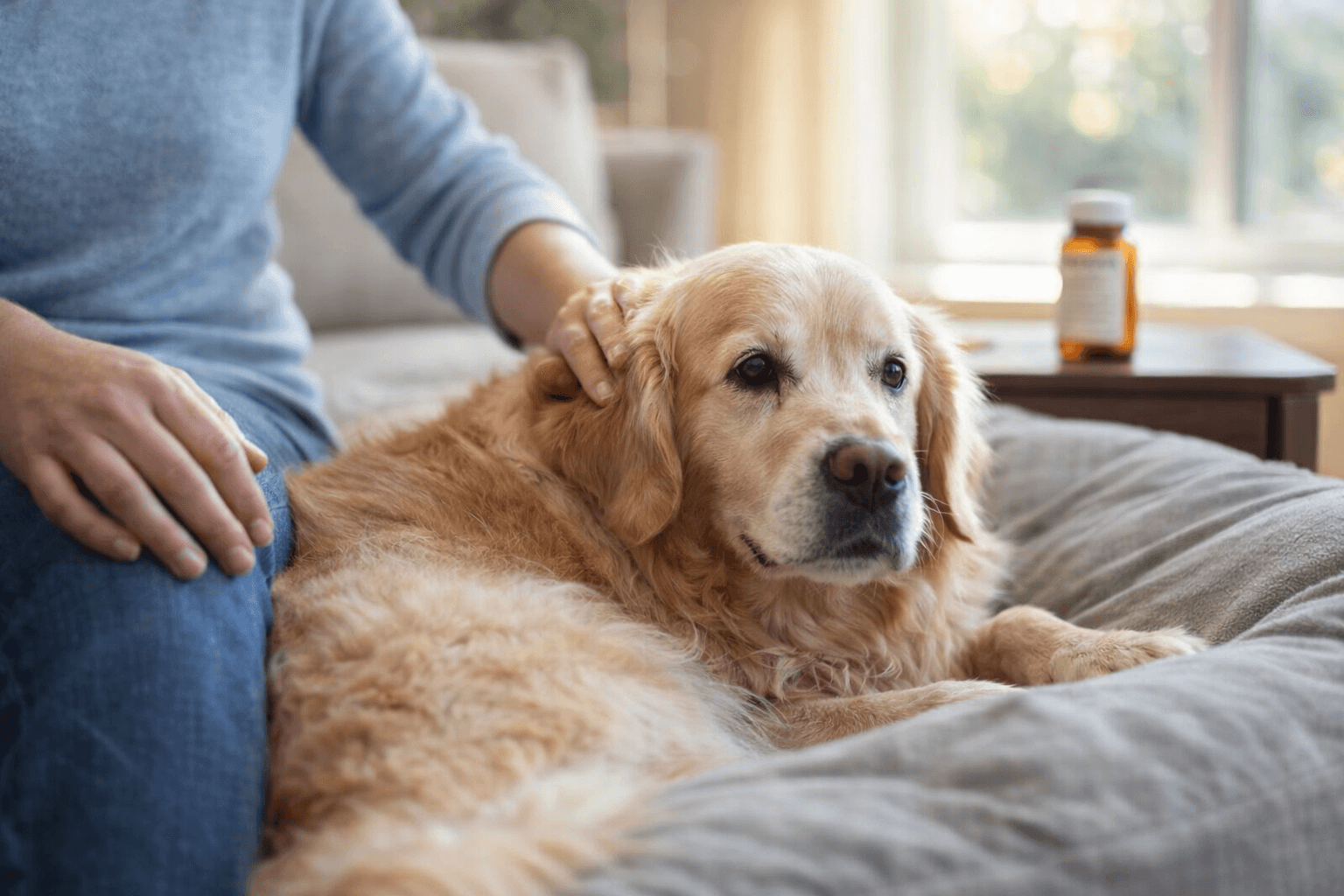
When your dog is in pain or suffering from chronic conditions like arthritis, nerve pain or seizures, your veterinarian may prescribe a medication called gabapentin. It is a human medicine that is also widely used in dogs, but many owners feel nervous the first time they see it on the prescription label.
This detailed, vet-written guide explains in simple language what gabapentin is, how it works in dogs, the conditions it is commonly used for, possible side effects, and the safety rules you must follow at home. It is an educational article only – it cannot replace a hands-on examination or personalised dosing plan from your veterinarian.
If your dog is having worrying symptoms right now, please use our Dog & Cat Symptom Checker or see our complete emergency first-aid guide, and contact your local vet or online vet consultation service for personalised advice.
Gabapentin for dogs: What is Gabapentin?
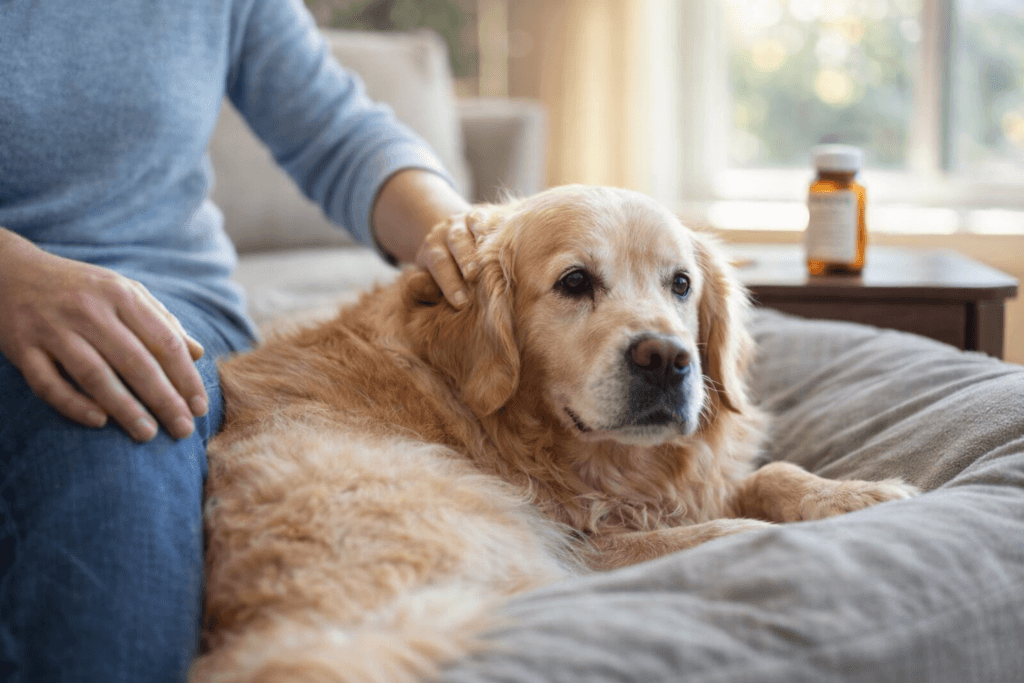
Gabapentin is a medication originally developed to help control seizures and certain types of nerve pain in humans. In dogs, it is used “off label”, meaning it is not licensed specifically for dogs in many countries, but veterinarians use it safely and routinely based on strong clinical experience and published studies.
Gabapentin is not an anti-inflammatory painkiller like carprofen or meloxicam, and it is not a traditional sedative or tranquiliser. Instead, it works on the nervous system by calming over-excited nerves. This makes it especially useful for:
- Neuropathic (nerve) pain – pain caused by damaged or irritated nerves, such as after spinal problems or surgery.
- Chronic arthritis and joint pain – often as an “add-on” medication when anti-inflammatory drugs alone are not enough.
- Seizure control – usually as an extra medicine alongside other anti-seizure drugs, not normally on its own.
- Anxiety in some dogs – for example, before stressful events such as vet visits, travel or noise phobias (always under vet guidance).
Because chronic pain and long-term disease are complex, gabapentin is rarely the only treatment. Your vet may also recommend weight control, joint supplements, physiotherapy, appropriate exercise programs, and routine care such as keeping up to date with dog vaccinations and parasite prevention so your dog stays as healthy as possible overall.
Gabapentin for dogs: How Does Gabapentin Work in Dogs?
Gabapentin affects the way signals travel along nerves in the brain and spinal cord. It binds to specific channels on nerve cells and helps reduce abnormal electrical activity. In simple terms, it makes “over-firing” nerves calmer.
That is why it is particularly effective for nerve-related pain – for example, pain after a slipped disc, spinal surgery or chronic arthritis where nerves in the joint become very sensitive. When those nerves send fewer pain signals, your dog can move more comfortably, sleep better and regain quality of life.
Gabapentin does not cure the underlying cause of pain or seizures. It is one piece of the treatment plan. For example, a dog with severe arthritis still needs weight management, appropriate exercise and sometimes anti-inflammatory medication as well. You can learn more about long-term joint and mobility care in our comprehensive skin & allergy guide and other dog health articles on the blog.
Common Reasons Vets Prescribe Gabapentin for Dogs
Gabapentin for dogs: 1. Chronic Arthritis and Joint Pain
Many middle-aged and senior dogs develop osteoarthritis, especially in hips, knees, elbows and the spine. Non-steroidal anti-inflammatory drugs (NSAIDs) are usually the first-line medicines, but sometimes they are not enough on their own, or your dog cannot tolerate full doses because of kidney, liver or stomach issues.
In these cases, your vet may add gabapentin to the plan. This “multi-modal pain management” often gives better relief than increasing one medicine alone. Owners commonly report that their dog becomes more interested in walks, climbs stairs more willingly and generally seems happier once gabapentin is introduced – but this must always be monitored and adjusted by a veterinarian.
2. Nerve Pain and Spinal Problems
Conditions such as intervertebral disc disease (slipped disc), spinal surgery recovery, or nerve injuries can cause sharp, burning or shooting pain. NSAIDs often do not fully control this type of discomfort. Gabapentin targets nerve pain more specifically and is therefore widely used in these dogs.
Dogs with spinal pain can deteriorate quickly and sometimes develop life-threatening conditions like GDV (bloat) or urination issues due to immobility, so any change in walking, back pain or paralysis should be treated as an emergency until your vet has checked your dog.
3. Seizure Disorders
Gabapentin can also be used as a “second-line” anti-seizure medicine when dogs are still having fits despite being on another drug such as phenobarbital or potassium bromide. Your vet might add gabapentin to try to reduce the frequency or severity of seizures.
Seizure treatment is very individual. Dose changes, combination therapy and blood tests must all be supervised by your veterinarian. Never adjust seizure medicines on your own – sudden dose changes can actually trigger seizures.
4. Situational Anxiety and Fear
Some vets use gabapentin as part of a behaviour plan for dogs with severe fear of veterinary visits, nail trims, travel, or loud noises. It can sometimes take the “edge” off anxiety and make calmer training and handling possible.
Gabapentin is not a magic anti-anxiety cure on its own. Behaviour modification, desensitisation training, and sometimes other medications are usually required. If your dog struggles with anxiety or reactive behaviour, you may also find our dog behaviour & training guides helpful as an educational starting point.
Gabapentin for dogs: How Is Gabapentin Given to Dogs?
Gabapentin is usually given by mouth as:
- Capsules or tablets (human or veterinary forms), or
- A compounded liquid made especially for pets.
Important safety note: some human liquid gabapentin preparations contain xylitol, an artificial sweetener that is very toxic to dogs. Never give your dog any human medicine or leftover liquid from a family member without your vet’s explicit approval. Your veterinarian or pharmacist will choose a pet-safe product.
The exact dose and frequency depend on your dog’s weight, health conditions and the reason gabapentin is being used. Many dogs need it two or three times a day because it does not last very long in their system. Only your vet can decide the correct dose and schedule for your own dog.
In some chronic pain cases, your vet might start with a low dose and gradually increase it over several days to minimise drowsiness. In seizure cases, the vet may make more rapid changes if the dog is not well controlled. Always follow the plan exactly as written on the label.
Gabapentin for dogs: Potential Side Effects of Gabapentin in Dogs
Most dogs tolerate gabapentin quite well, especially once their body has adjusted. However, as with any medication, side effects are possible. The most common ones reported by owners include:
- Drowsiness or sedation – dogs may seem sleepy or wobbly at first, especially when the dose is started or increased.
- Unsteady walking or wobbliness (ataxia) – some dogs look drunk or weak. Tell your vet if this is severe.
- Mild gastrointestinal upset – soft stools or vomiting in a small number of dogs.
- Increased appetite or weight gain – can occur over time, especially if your dog is less active due to pain.
These side effects often improve as your dog gets used to the medicine, or after your vet adjusts the dose. However, you should contact your veterinarian promptly if you notice any of the following:
- Severe weakness, collapse or inability to stand.
- Persistent vomiting or diarrhoea (see our dog diarrhoea home-care guide for general information).
- Behaviour changes such as extreme agitation, confusion or crying out.
- New or worsening seizures.
- Signs of an allergic reaction: facial swelling, hives, difficulty breathing.
Any sudden, dramatic change in your dog’s health should be treated as an emergency. Use our symptom checker, phone your vet, or visit the nearest emergency clinic without delay.
Gabapentin for dogs: Important Safety Rules for Gabapentin Use at Home
Because gabapentin is often used long term, clear home routines are essential. Keep these safety rules in mind:
- Only use gabapentin prescribed for your dog. Do not share between pets, and never give human medication without your vet’s explicit permission.
- Give the dose exactly as directed. If you miss a dose, follow your vet’s instructions – usually you do not double up the next dose, but you should confirm what is recommended for your dog.
- Do not suddenly stop gabapentin in dogs taking it for seizures, unless your vet tells you to. Sudden withdrawal can increase seizure risk. For chronic pain cases, abrupt stopping is less dangerous but may cause pain to rebound sharply.
- Store the medicine safely out of reach of pets and children. Liquid formulations may need refrigeration – check the label.
- Tell your vet about all other medicines and supplements your dog is receiving. This includes anti-inflammatories, sedatives, seizure drugs, herbal products and joint supplements.
Many dogs with chronic pain are also on other medicines such as anti-inflammatories and sometimes opioids. Your vet will design a balanced plan and may also suggest joint-friendly exercise, weight control and diet changes. For example, our puppy feeding guide and other nutrition articles can help you keep your dog at a healthy body condition, which is critical for managing arthritis pain.
Gabapentin for dogs: Gabapentin and Other Conditions
Kidney or Liver Disease
Gabapentin is processed mainly by the kidneys. Dogs with chronic kidney disease may need dose adjustments or alternative medicines. Your vet may run blood and urine tests before and during treatment to monitor organ function, especially in older dogs or those already on multiple medications.
Stomach and Intestinal Problems
Most dogs tolerate gabapentin well even if they have a sensitive stomach. In some cases, your vet may suggest giving the medicine with a small amount of food to reduce nausea. However, if your dog already has ongoing vomiting or diarrhoea, that needs to be investigated separately – for example, parasites, dietary problems or infectious causes. You can learn more general information in our guides on dog worms & deworming and dog diarrhoea home treatment.
Vaccinations, Surgery and Other Medications
Gabapentin usually does not interfere with routine care like vaccinations, dental procedures or most antibiotics, but your vet should always know exactly what your dog is taking. If surgery or anaesthesia is planned, your vet will decide whether to continue, reduce or temporarily stop gabapentin around the procedure.
Frequently Asked Questions About Gabapentin for Dogs
1. How quickly does gabapentin start working?
In many dogs, you may notice some effect within a few hours of a dose, particularly for sedation or short-term anxiety use. For chronic pain, improvement is usually more noticeable after several days of regular dosing, once the medication has built up to steadier levels in the body.
2. How long will my dog need to stay on gabapentin?
This depends entirely on why it was prescribed. Dogs with short-term post-surgical pain may only need gabapentin for a few days or weeks. Dogs with chronic conditions like arthritis or spinal disease may need it long term, with regular vet check-ups to assess comfort, side effects and overall quality of life.
3. Is gabapentin addictive for dogs?
Gabapentin is not considered an addictive drug in dogs in the same way as some opioid painkillers. However, the body does adjust to its presence, which is why sudden withdrawal in seizure patients can be risky. Always follow your vet’s instructions if any changes are needed.
4. Can I give gabapentin with other pain medicines?
Often, yes – using different types of pain relief together (for example, an NSAID plus gabapentin) can be more effective than high doses of one medicine alone. But because combinations can increase the risk of side effects such as sedation or organ stress, only your veterinarian can decide which medicines are safe together for your particular dog.
5. What if my dog eats too many gabapentin capsules?
An accidental overdose can cause pronounced wobbliness, drowsiness, vomiting or, rarely, more serious complications. If you suspect your dog has eaten extra gabapentin (or any medication), contact your local vet, emergency clinic or pet poison helpline immediately. Bring the package with you so they can see the strength and number of tablets.
6. Can gabapentin replace a vet visit?
No. Gabapentin is a powerful prescription medicine that must only be used under veterinary supervision. It can mask pain and make a dog seem more comfortable while a serious disease is still present in the background. Regular physical examinations, blood tests where appropriate, and imaging such as X-rays or ultrasound are often needed to manage chronic pain properly.
When to Call Your Vet or Animal Hospital Urgently
Contact your vet, an emergency clinic or your nearest GV Animal Hospital branch as soon as possible if your dog:
- Is extremely weak, collapsed or unable to stand.
- Has repeated vomiting or diarrhoea that does not settle.
- Develops new or worsening seizures.
- Shows severe breathing difficulty, blue or very pale gums.
- Has a swollen, painful abdomen, restlessness, or unproductive retching (possible bloat / GDV).
- Has severe pain, cries out when touched, or cannot use their legs normally.
These signs may indicate a life-threatening emergency and should never be managed at home with pain medicine alone.
Summary: Key Takeaways for Owners
- Gabapentin is a widely used medication for nerve pain, chronic arthritis, seizures and some anxiety cases in dogs.
- It works by calming over-active nerves but does not cure the underlying disease.
- Most dogs tolerate it well, but drowsiness and wobbliness are common at the start or after dose increases.
- Never give human liquid gabapentin that may contain xylitol, and never change the dose or stop suddenly without veterinary advice.
- Gabapentin is usually part of a broader plan that may include weight management, physiotherapy, joint support and other medicines.
- Regular check-ups with your vet or an online consultation are essential to keep your dog safe and comfortable long term.
If you are ever unsure whether your dog’s symptoms are mild, urgent or an emergency, use our Vet-Style Symptom Checker as a starting point, then contact your veterinarian for personalised guidance.
Related GV Hospital Guides (Internal Links)
- Emergency First Aid for Dogs & Cats – Complete Vet Guide 2025
- Dog Vaccination Schedule 2025: Shots, Costs & Vet Tips
- Dog Worms: Symptoms, Treatment & Deworming Schedule
- Dog Diarrhoea Home Treatment Guide
- Kennel Cough in Dogs: Symptoms, Treatment & Prevention
- Puppy Feeding Guide: Portions & Schedule
- Dog Skin Problems & Allergy Treatment Guide
- Pet Behaviour Problems & Training Guide
External References (For Further Reading)
- Standard veterinary pharmacology texts such as Plumb’s Veterinary Drug Handbook.
- Client information handouts from major veterinary hospitals (e.g., VCA Animal Hospitals, WSAVA resources).
- Peer-reviewed studies and reviews on multimodal pain management and neuropathic pain in dogs.



I think one of the most important takeaways from this post is the emphasis on consulting with a vet for the right dosing. It’s easy to get overwhelmed when looking at meds for pets, and a vet’s guidance is crucial.