
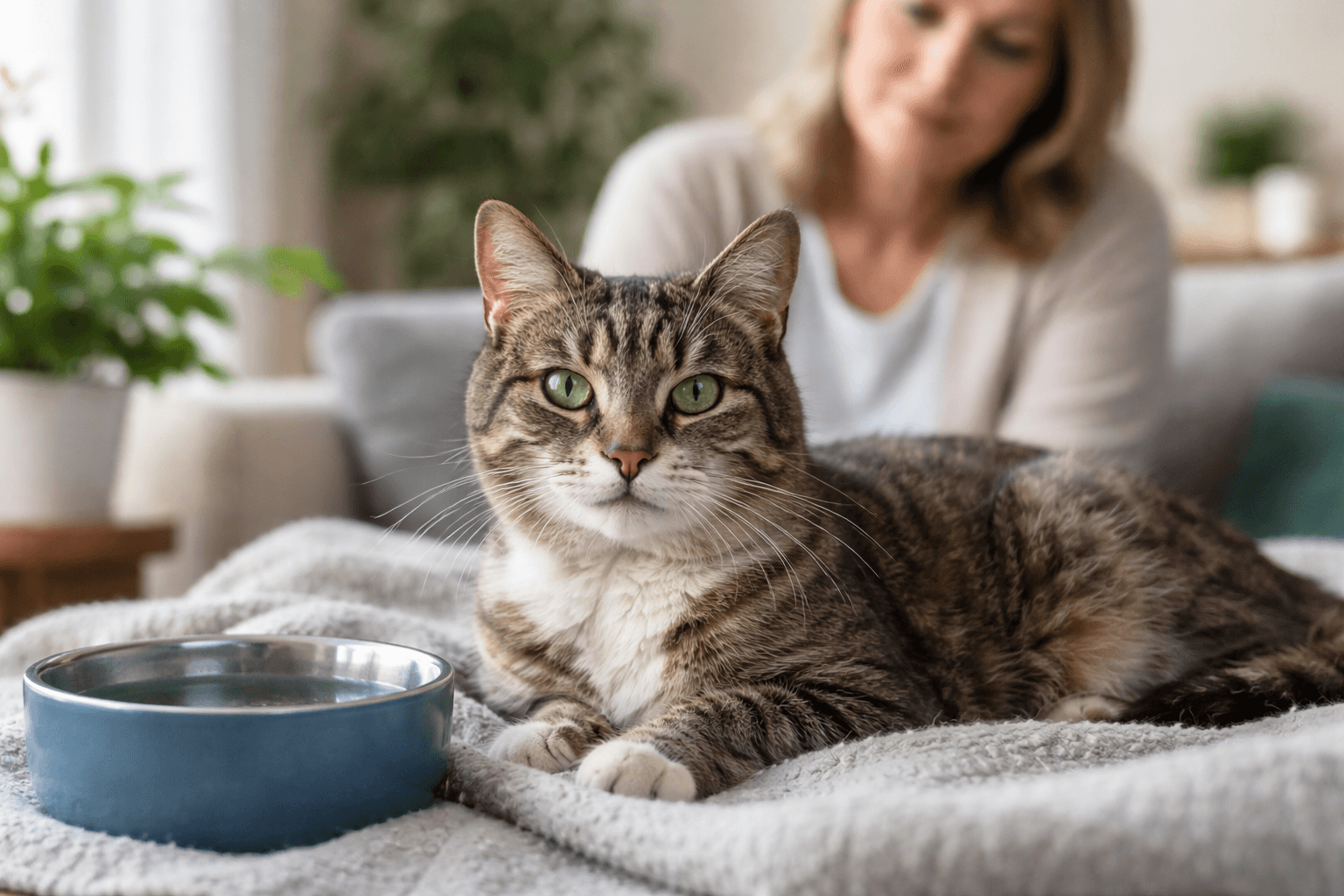
Cat kidney disease is one of the most common health problems in middle-aged and senior cats – but with early diagnosis, the right diet, and gentle home care, many cats can still live happy, comfortable lives for years.
In this vet-style guide, we’ll walk through what kidney disease in cats is, the early signs to watch for, how it’s diagnosed, treatment options, life expectancy, and daily home-care tips every cat parent should know. You’ll also find answers to common questions such as “What causes kidney disease in cats?”, “How long can a cat live with kidney disease?” and “Is kidney disease in cats painful?”
This article is written for educational purposes and does not replace an in-person veterinary exam. If your cat is unwell, please contact your veterinarian or local emergency clinic.
Cat kidney disease: What Is Kidney Disease in Cats?
Your cat’s kidneys act like tiny, powerful filters. They remove waste products from the blood, balance water and electrolytes, regulate blood pressure and help produce important hormones. When the kidneys are damaged and can no longer perform these jobs properly, we call it kidney disease or kidney failure in cats.
There are two main forms of kidney disease in cats:
- Acute kidney injury (AKI) – kidney function declines suddenly over hours to days. This can be caused by toxins (for example, lilies or certain medications), severe dehydration, infections or urinary blockages. It is a medical emergency that needs immediate vet care.
- Chronic kidney disease (CKD) – kidney function declines slowly over months to years. This is the most common type of kidney disease in older cats and is sometimes called chronic renal failure or chronic kidney failure.
Most cat parents first hear about kidney disease when their vet finds changes on routine blood and urine tests, or when their cat starts drinking and peeing more than usual. Understanding the causes, symptoms, stages and treatment of kidney disease in cats will help you make calm, informed decisions for your pet.
Cat kidney disease: What Causes Kidney Disease in Cats?
Kidney disease in cats usually has more than one contributing factor. Some of the most common causes and risk factors include:
- Age-related wear and tear – the tiny filtering units inside the kidneys (nephrons) are slowly lost over time, especially in cats over 7–8 years of age.
- Genetics and breed – some purebred cats such as Persians, Abyssinians and Maine Coons are more prone to inherited kidney diseases.
- Infections – bacterial kidney infections (pyelonephritis) and certain viruses can damage kidney tissue.
- Chronic dehydration – long-term low water intake may contribute to kidney damage, especially in cats fed only dry food.
- Toxins and medications – lily plants, antifreeze (ethylene glycol), some human painkillers (like ibuprofen), certain antibiotics and contrast dyes can all cause kidney injury.
- High blood pressure – uncontrolled hypertension damages delicate kidney blood vessels.
- Urinary tract problems – repeated urinary blockages, stones or infections can eventually affect the kidneys.
- Dental disease and chronic inflammation – severe gum and tooth infections release bacteria and inflammatory molecules into the bloodstream, which may stress the kidneys over time.
In many cats, we never find one single cause. The important thing is to detect kidney disease early and then work with your vet on a personalised treatment plan.
Cat kidney disease: Early Signs & Symptoms of Kidney Disease in Cats
Cats are experts at hiding discomfort, so early kidney disease can be easy to miss. Watch for these subtle signs of kidney disease in cats:
- Increased thirst (polydipsia) – you may notice your cat visiting the water bowl more often or seeking extra water in sinks and showers.
- Increased urination (polyuria) – larger clumps in the litter tray, or urine leaking outside the box.
- Weight loss and poor body condition even though your cat may still be eating.
- Decreased appetite or picky eating, especially with protein-rich foods.
- Vomiting, nausea or drooling (some cats lick their lips frequently when nauseous).
- Bad breath with a “uremic” smell, sometimes described as metallic or like ammonia.
- Dull, unkempt coat, dandruff or reduced grooming.
- Weakness, lethargy or sleeping more than usual.
- Dehydration – sticky gums, sunken eyes, or skin that stays “tented” when gently lifted.
In more advanced kidney failure, cats can develop ulcers in the mouth, muscle twitching, seizures or severe weight loss. These are emergency signs and need urgent veterinary care.
If you notice any of the early symptoms above, especially in a cat over 7 years old, book a vet visit. Simple blood and urine tests can detect kidney disease in cats long before severe damage occurs.
Cat kidney disease: Stages of Chronic Kidney Disease in Cats
Vets often use the IRIS (International Renal Interest Society) staging system to classify chronic kidney disease. Staging helps predict prognosis and choose the best treatment.
| Stage | General Description | Typical Signs at Home |
|---|---|---|
| Stage 1 | Very mild loss of kidney function. Bloodwork may be near normal, but urine is slightly dilute or other markers (like SDMA) are elevated. | Often no obvious symptoms. May be discovered on routine senior check-ups. |
| Stage 2 | Mild to moderate loss of kidney function. | Increased thirst and urination, early weight loss, intermittent picky appetite. |
| Stage 3 | Moderate to severe kidney dysfunction. | Noticeable weight loss, poor appetite, vomiting, bad breath, more obvious lethargy. |
| Stage 4 | Severe kidney failure. | Severe weight and muscle loss, frequent vomiting, dehydration, ulcers, possible neurological signs. Often a quality-of-life discussion is needed. |
Kidney disease in cats is usually progressive, but the speed of progression varies. With early diagnosis and careful management, many cats stay in the earlier stages for years.
Cat kidney disease: How Vets Diagnose Kidney Disease in Cats
Diagnosing kidney disease in cats usually involves a combination of history, physical exam and laboratory tests.
Cat kidney disease: 1. History and Physical Examination
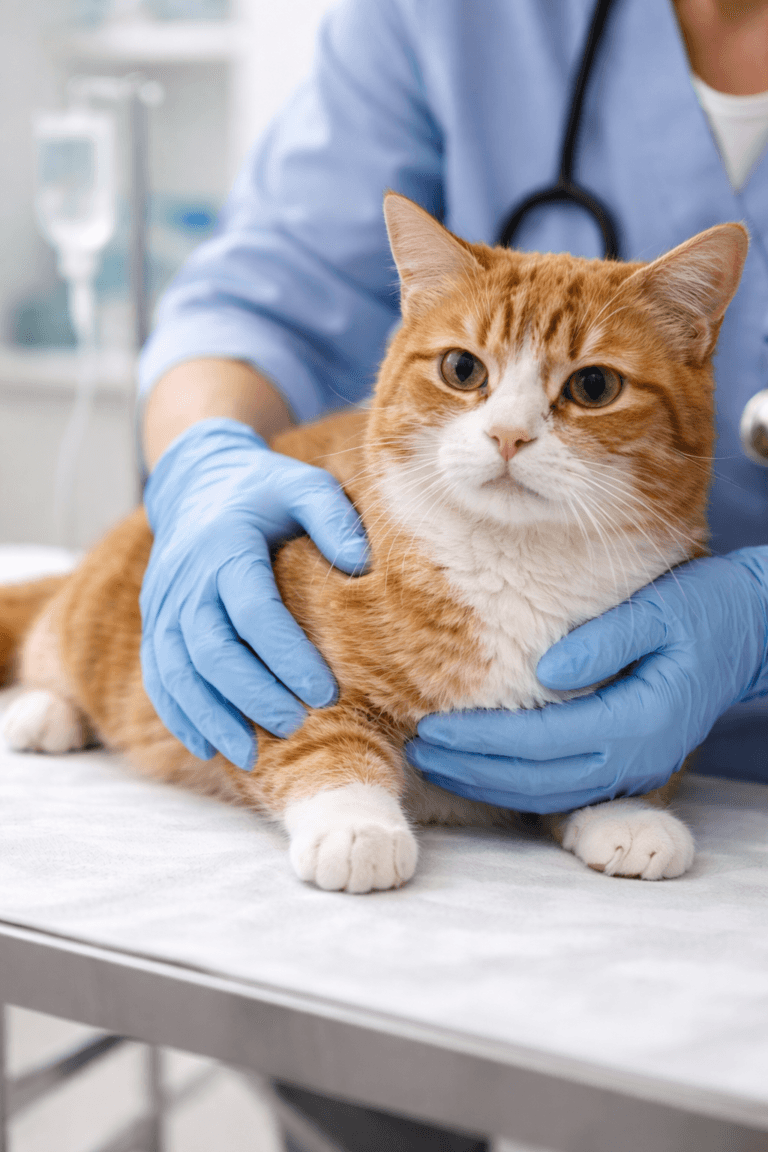
Your vet will ask about your cat’s thirst, urination, appetite, weight changes and any vomiting or behaviour changes. During the exam, they will check hydration, body condition, blood pressure and palpate the kidneys to feel their size and shape.
2. Blood Tests
Common blood tests for kidney function include:
- Creatinine and blood urea nitrogen (BUN) – waste products that rise as kidney function declines.
- SDMA (symmetric dimethylarginine) – a sensitive marker that can detect kidney disease earlier than creatinine.
- Electrolytes such as potassium, phosphorus and calcium.
- Red blood cell count – chronic kidney disease can cause anaemia.
3. Urine Tests
Urine analysis helps assess how well the kidneys are concentrating urine and whether there is infection or protein loss. Your vet may measure:
- Urine specific gravity – shows how concentrated or dilute the urine is.
- Protein levels – persistent protein in urine can indicate glomerular disease.
- Signs of infection such as white blood cells or bacteria.
4. Blood Pressure Measurement
High blood pressure is common in cats with kidney disease and can further damage their kidneys and eyes. Measuring and controlling blood pressure is an important part of managing chronic kidney disease in cats.
5. Imaging (Ultrasound and X-rays)
Abdominal ultrasound or X-rays can reveal kidney size, shape, cysts, stones, tumours or other structural changes. In some cases, further tests such as a kidney biopsy may be recommended.
Once the diagnosis is confirmed, your vet will stage the disease and discuss a treatment and monitoring plan tailored to your cat.
Cat kidney disease: Treatment Options for Kidney Disease in Cats
While chronic kidney disease in cats cannot usually be cured, there is a lot we can do to support the remaining kidney function, reduce symptoms and improve quality of life.
1. Fluid Therapy and Hydration
Keeping cats with kidney disease well hydrated is critical. Treatment options may include:
- Intravenous (IV) fluids in hospital for dehydrated or very sick cats.
- Subcutaneous (under the skin) fluids at home – many cat parents are taught how to give gentle fluid boluses a few times a week.
- Encouraging oral water intake with multiple water bowls, cat fountains and wet food.
2. Kidney-Friendly Diet (Renal Diet)
Prescription kidney diets for cats are one of the most important tools we have. These diets are:
- Restricted in phosphorus to slow kidney damage.
- Moderately restricted in high-quality protein to reduce waste products while maintaining muscle mass.
- Enhanced with omega-3 fatty acids, vitamins and antioxidants that support kidney health.
Changing diets should always be done gradually. Many cats need several weeks of slow transition and flavour experiments to accept a new food. Never starve a cat into eating a renal diet – maintaining adequate calories is more important than “perfect” food.
3. Medications and Supplements
Your vet might recommend medications to control specific complications of cat kidney disease, such as:
- Blood pressure medications (for example, amlodipine) to treat hypertension.
- Phosphate binders to reduce phosphorus absorption from food.
- Potassium supplements if blood potassium levels are low.
- Anti-nausea and anti-vomiting medications (maropitant, ondansetron, etc.).
- Antacids or stomach protectants if there are ulcers or reflux.
- Appetite stimulants for picky eaters.
- Antibiotics if a kidney infection is present.
4. Treating Underlying Causes
If an underlying condition such as urinary stones, obstruction, infection, hyperthyroidism or heart disease is contributing to kidney problems, your vet will work to treat that as well. In some cases of acute kidney injury, aggressive treatment can significantly improve or even restore kidney function.
5. Regular Monitoring
Cats with kidney disease need regular check-ups to adjust treatment as their condition changes. This usually includes blood tests, urine tests and blood pressure checks every 3–6 months (or more often in advanced stages).
Cat kidney disease: Special Resource for Cat & Dog Owners
Want step-by-step, vet-written guidance you can keep on your phone or print at home? Our practical e-books cover vaccination schedules, emergencies, parasites, nutrition and more for both cats and dogs.
📘 Buy Dog & Cat Health E-Books (Vet-Written)
How Long Can a Cat Live with Kidney Disease?
One of the most common questions vets hear is: “How long can my cat live with kidney disease?” The honest answer is that it depends on the cause, stage at diagnosis, how quickly the disease progresses, and how well the cat responds to treatment.
- Early-stage (Stage 1–2) kidney disease in cats – with a kidney-friendly diet, good hydration and regular monitoring, many cats live 2–4 years or longer after diagnosis.
- Moderate kidney disease (Stage 3) – prognosis is more guarded, but with active management some cats still enjoy months to a few years of good quality life.
- Advanced kidney failure (Stage 4) – life expectancy may be limited to weeks to a few months even with intensive care. At this stage, comfort and quality of life become the main goals.
Remember: these numbers are only averages. Some cats do better than expected; others progress more quickly. The best way to understand your own cat’s outlook is to have an open, honest conversation with your veterinarian.
Home Care Tips for Cats with Kidney Disease
Daily home care makes a huge difference for cats living with chronic kidney disease. Here are practical, vet-approved tips you can start today:
1. Make Hydration Easy
- Offer multiple water bowls around the house, refreshed at least once daily.
- Consider a cat water fountain – many cats love running water.
- Feed mostly wet food or add warm water/broth (without onion or garlic) to meals.
- Ask your vet whether subcutaneous fluids at home would benefit your cat.
2. Support Appetite and Body Weight
- Feed a prescription kidney diet if your vet recommends one, but transition gently over 10–14 days.
- Warm food slightly and offer small, frequent meals to tempt picky cats.
- Track your cat’s body weight every 2–4 weeks using a baby scale if possible.
- Contact your vet promptly if your cat eats less than half their usual food for more than 24 hours.
3. Give Medications Safely
- Use pill pockets, soft treats or small amounts of food to hide tablets if allowed by your vet.
- Ask about liquid or transdermal (skin) formulations for difficult pill-takers.
- Never give human painkillers or over-the-counter medicines without veterinary approval – many are toxic to cats and can worsen kidney disease.
4. Keep the Litter Box Comfortable
- Provide large, low-entry litter boxes, especially for older cats with arthritis.
- Scoop daily so you can monitor clump size and frequency of urination.
- If you notice straining, blood in urine, or sudden changes in urination, contact your vet urgently.
5. Watch for Emergency Red Flags
Seek immediate veterinary care if your cat with kidney disease shows any of the following:
- Not eating at all for 24 hours or more
- Repeated vomiting or severe diarrhoea
- Collapse, extreme weakness or difficulty breathing
- Seizures, twitching or sudden blindness (can be caused by severe hypertension)
- Very little or no urine production
These can be signs that kidney disease has suddenly worsened or another emergency is present.
Can Cat Kidney Disease Be Prevented?
Unfortunately, we can’t prevent all cases, but we can reduce risk and catch problems early:
- Schedule annual check-ups for adult cats and twice-yearly wellness visits for seniors (10+ years). Ask your vet about screening bloodwork and urinalysis.
- Keep fresh water available at all times and consider feeding at least some high-quality wet food.
- Keep cats indoors or supervised outdoors to reduce exposure to toxins and trauma.
- Avoid lilies and other kidney-toxic plants in your home and garden.
- Use only vet-approved flea, tick and deworming products at correct doses.
- Keep your cat at a healthy weight and address dental disease early.
Helpful Internal Resources on Vet & Pet Health Guide
For more detailed, vet-written guidance, you may also like these articles:
- Why Is My Cat Not Eating? Vet-Approved Causes, Home Care & When to Worry
- Home Treatment for Cat Vomiting – Vet Online Guide
- Complete Cat Nutrition Guide 2025: Vet-Approved Diets, Portions & Feeding Tips
- Cat Vaccination Schedule 2025 – Indoor & Outdoor Cats, Costs, Side Effects & Vet Tips
- Emergency First Aid for Dogs & Cats – Complete Vet Guide 2025
Trusted External References
If you’d like to read more about chronic kidney disease in cats, these veterinary resources are highly recommended:
FAQs About Kidney Disease in Cats
What are the first signs of kidney disease in cats?
Early signs often include increased thirst and urination, mild weight loss, and a slightly reduced appetite. Some cats also develop dull coats or occasional vomiting. Because these changes can be subtle, regular vet check-ups and bloodwork for senior cats are essential.
Is kidney disease in cats painful?
Many cats with mild to moderate kidney disease are not obviously painful, but advanced disease can cause nausea, mouth ulcers, headaches from high blood pressure and overall malaise. Good pain relief, anti-nausea medication and supportive care can greatly improve comfort.
Can kidney disease in cats be cured?
Chronic kidney disease usually cannot be completely cured because much of the kidney tissue is permanently damaged. However, with appropriate diet, medications and home care, we can often slow progression and give cats more good-quality months or years.
What is the best food for cats with kidney disease?
The best choice is typically a prescription renal diet formulated for cats, which is lower in phosphorus and carefully balanced in protein, sodium and other nutrients. Your vet will help you choose a specific brand and flavour based on your cat’s stage of disease and preferences.
How long can a cat live with kidney disease?
Some cats diagnosed in the early stages can live several years with good management, while those with advanced kidney failure may only live weeks to months. Every cat is different; regular monitoring and open communication with your vet will help you understand your cat’s individual prognosis.
When should I consider euthanasia for a cat with kidney disease?
This is a very personal decision. It may be time to discuss euthanasia if your cat is no longer eating, frequently vomiting, losing weight despite treatment, hiding all the time or no longer enjoys normal activities. Your veterinarian can guide you through a quality-of-life assessment and help you make the kindest choice.
Conclusion: Early Action Makes the Biggest Difference
Cat kidney disease sounds frightening, but understanding the condition gives you power. By recognising early symptoms, scheduling regular senior check-ups and working closely with your veterinarian on diet, medication and home care, you can often give your cat more comfortable months or years.
If your cat is drinking or peeing more, losing weight, vomiting, or just “not quite right,” don’t wait. Book a veterinary visit, bring a fresh urine sample if possible, and ask about screening for kidney disease in cats. The earlier we act, the more options we have.
This guide is for educational purposes and should not replace an in-person veterinary examination. Always follow the advice of your own veterinarian, who knows your cat’s full medical history.




This is such a helpful guide. I was unaware that there are two main forms of kidney disease in cats—acute and chronic—and it’s good to know that kidney disease doesn’t always mean the end. I’ll definitely keep an eye on my older cat for any symptoms.