

How to help a dog with arthritis at home is one of the most common questions vets hear from worried pet parents. Arthritis, also called osteoarthritis or degenerative joint disease, is a painful and progressive condition that affects a huge number of dogs worldwide. Studies suggest that osteoarthritis is one of the most common diseases seen in veterinary practice and may affect around 20% or more of adult dogs, especially seniors and certain breeds.
The good news is that with the right combination of veterinary treatment and smart home care, many arthritic dogs can stay active, comfortable and happy for years. In this complete vet-approved guide, you will learn exactly how to manage arthritis at home using safe pain relief, joint-friendly exercise, weight control, home modifications and mental enrichment, while avoiding dangerous home remedies.
This article is written for dog owners who want practical, step-by-step advice on how to manage arthritis at home, but it is not a substitute for a physical examination and diagnosis by your veterinarian. Always speak with your vet before starting or changing any medication or supplement for joint pain.
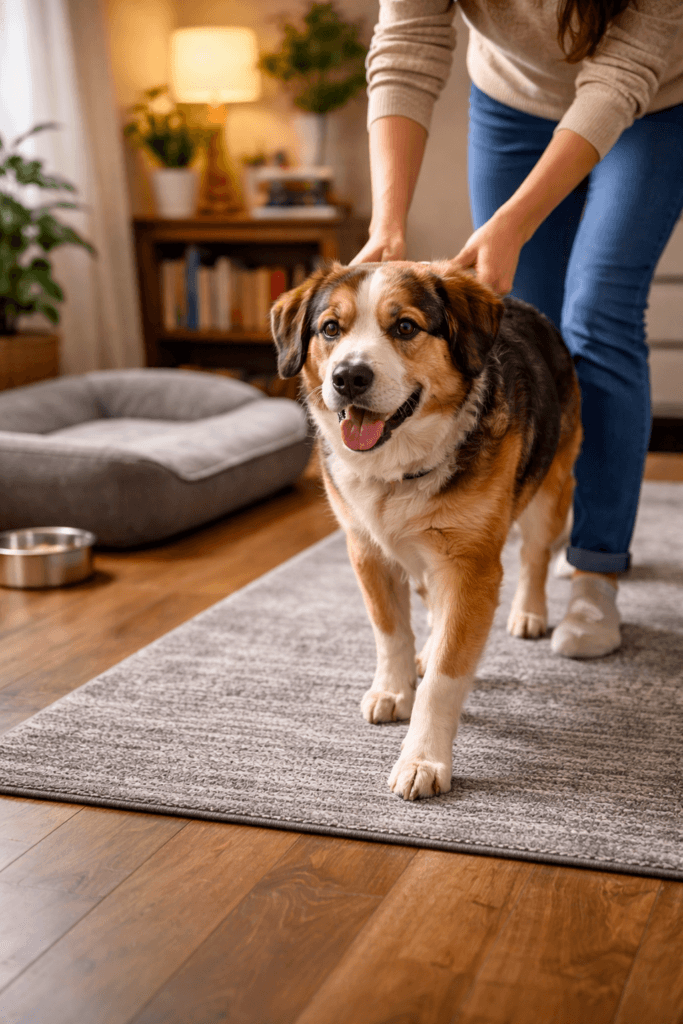
What Is Arthritis in Dogs?
Arthritis in dogs, usually osteoarthritis, is a chronic disease of the whole joint. Over time, the smooth cartilage covering the ends of the bones becomes damaged, new bone forms around the joint, and the surrounding soft tissues thicken. These changes cause stiffness, pain and reduced range of motion.
Because the disease is progressive and usually lifelong, knowing how to manage arthritis at home is essential. Home care does not cure the condition, but it reduces pain, slows progression, and keeps your dog moving more comfortably.
Common Causes and Risk Factors
Before you decide how to manage arthritis at home, it helps to understand why arthritis develops. Common causes and risk factors include:
- Previous joint injuries (cruciate ligament tears, fractures, luxating patella)
- Hip or elbow dysplasia and other developmental joint diseases
- Obesity and long-term overload of the joints
- High-impact sports or repetitive strain in working dogs
- Genetic predisposition in certain breeds (e.g., Labrador Retrievers, German Shepherds, Golden Retrievers, Rottweilers)
- Advanced age and general wear-and-tear
Some of these factors can’t be changed, but others can. Weight management, sensible exercise and early treatment all play a big role in how to help a dog with arthritis at home and in the clinic.
Early Signs of Arthritis You Can Notice at Home
Recognizing subtle early signs is a vital part of how to manage arthritis at home. Dogs rarely cry from joint pain; they simply move less and adjust their behaviour. Watch for:
- Stiffness when getting up after rest, especially in the morning
- Reluctance to jump onto sofas, into cars or climb stairs
- Lagging behind on walks or stopping to rest more often
- Occasional limping that improves after warming up
- Difficulty squatting to urinate or defecate
- Less interest in playing, fetching or running
- Mild muscle loss over hips or shoulders
- Subtle changes in temperament such as grumpiness when touched
If you notice several of these signs, especially in a middle-aged or older dog, it is time to visit your veterinarian. A professional diagnosis is always the first step in deciding how to manage arthritis at home safely.
When Arthritis Becomes an Emergency
Arthritis itself is usually a chronic problem, but sometimes it flares into a crisis. You should seek urgent veterinary help or follow an emergency first aid plan for dogs and cats if your dog:
- Suddenly cannot stand or walk
- Cries out in pain or yelps when moving
- Has a hot, swollen joint
- Refuses to put any weight on a limb
- Becomes very lethargic, disoriented or collapses
In these cases, your vet must rule out fractures, spinal problems, ligament tears or infections before deciding how to manage arthritis at home in the longer term.
How Vets Diagnose Arthritis in Dogs
Knowing how to manage arthritis at home begins with the right diagnosis. Your veterinarian will usually perform:
- A complete physical and orthopedic examination, including feeling the joints for pain, swelling and reduced movement
- Gait assessment to see how your dog walks, trots and turns
- Joint radiographs (X-rays) to look for new bone formation, joint space narrowing and other changes
- Sometimes advanced imaging, joint fluid analysis or blood tests if needed
International guidelines such as the COAST and WSAVA pain guidelines highlight the importance of structured pain assessment and multimodal treatment for osteoarthritis in dogs.
Once your dog has a confirmed diagnosis, your vet will design a treatment plan that combines medication, lifestyle changes and monitoring. The home-care part of that plan is where you can truly learn how to manage arthritis at home every day.
Safe Pain Relief: Medicines Your Vet May Prescribe
A key element of how to help a dog with arthritis at home is proper pain control. Arthritis pain is real and can severely impact welfare, so modern veterinary guidelines strongly recommend active, multimodal pain management.
Common veterinary treatments include:
- Non-steroidal anti-inflammatory drugs (NSAIDs): These are the mainstay of medical management for canine osteoarthritis and are specifically licensed for dogs.
- Adjunct pain medications: Drugs such as gabapentin, amantadine or other agents may be used for chronic pain in combination with NSAIDs.
- Joint injections or regenerative therapies: In some cases, hyaluronic acid, platelet-rich plasma, stem-cell therapies or other injections are offered.
- Short courses of steroids or other drugs: Used carefully in specific situations under veterinary guidance.
None of these medications should ever be started or adjusted without professional advice. A crucial part of how to manage arthritis at home is understanding what you must not do: never give human painkillers such as ibuprofen, naproxen, diclofenac, or paracetamol without veterinary direction, as these can be toxic or even fatal for dogs.
Core Principles of How to Help a Dog with Arthritis at Home
Medication alone is not enough. Research and expert consensus show that the best results come from a combination of pain control, weight management, appropriate exercise and lifestyle changes. The following pillars explain how to manage arthritis at home in a practical way.
How to help a dog with arthritis at home: 1. Keep Your Dog at a Healthy Weight
Extra body weight puts additional stress on every painful joint. One of the most powerful ways of how to manage arthritis at home is simply to keep your dog lean. Even a 5–10% weight loss can noticeably improve comfort and mobility.
- Ask your vet for your dog’s ideal weight and body condition score.
- Feed a measured amount of a balanced diet, ideally a joint-friendly or senior formula.
- Limit high-calorie treats; use part of the daily ration as training rewards.
If your dog is older, review our guide on the best diet for senior dogs to integrate weight control and arthritis care into one plan.
2. Use Joint-Friendly Exercise
Many owners wonder whether rest or exercise is better when learning how to manage arthritis at home. The answer is controlled, low-impact exercise. Complete rest makes joints stiffer and muscles weaker, while over-exercise causes flare-ups.
- Replace long, intense runs with several short, gentle walks on flat ground.
- Aim for consistent daily movement rather than “weekend warrior” activity.
- Swimming or underwater treadmill work (if available) can be excellent low-impact exercise.
- Stop or shorten the walk if your dog begins to limp, lag behind or seem sore.
Veterinary sources emphasize that controlled, regular exercise and physical rehabilitation are core treatments for osteoarthritis, alongside weight control and pain medication.
3. Modify the Home Environment
Changing your surroundings is another practical part of how to manage arthritis at home. Simple modifications can reduce strain on joints and make everyday movements easier.
- Provide non-slip rugs or mats on slippery floors, especially where your dog walks most.
- Use ramps or sturdy steps to help your dog get into the car, onto the bed or onto the sofa.
- Raise food and water bowls to a comfortable height for large dogs with neck or shoulder pain.
- Offer a supportive, orthopedic bed away from drafts and moisture.
- Block off steep stairs if your dog struggles with them.
Education sites devoted to canine arthritis highlight home environment changes and assistive devices as key lifestyle modifications, alongside activity adjustment and nutrition.
4. Consider Joint Supplements and Special Diets
Another frequently asked part of how to help a dog with arthritis at home is whether supplements really work. Evidence varies, but some products containing omega-3 fatty acids (EPA/DHA), green-lipped mussel, glucosamine, chondroitin or other nutraceuticals may help some dogs as part of a multimodal plan.
Ask your veterinarian which supplements or prescription joint diets have the best evidence and are safe with your dog’s existing medications. Avoid random online products that do not meet veterinary standards.
5. Provide Mental Enrichment and Gentle Interaction
Dogs with chronic pain can become frustrated or depressed. A thoughtful approach to how to manage arthritis at home includes mental as well as physical care. Use food puzzles, scent games, gentle training and calm affection to keep your dog mentally engaged even when physical activity is reduced. Avoid rough play that jars the joints.
Case Example from General Veterinary Hospital Lahore
At General Veterinary Hospital Lahore, we recently treated an eight-year-old Labrador who had been slowing down for months. His family thought the changes were “just old age” and were unsure how to manage arthritis at home. On examination and X-rays we diagnosed advanced osteoarthritis in both hips and elbows.
We started him on an appropriate NSAID, a joint supplement, and a prescription mobility diet. Our team then created a written home-care plan describing exactly how to manage arthritis at home in his daily life: weight loss goals, short controlled walks, non-slip rugs and a ramp for getting into the car. At his three-month recheck he was brighter, more active and had lost several kilograms. His owners reported that he was again excited for walks and could climb stairs with much less difficulty.
This case shows that when veterinary care and home modifications work together, families can truly see the benefits of understanding how to manage arthritis at home in a structured way.
Hands-On Techniques: Massage, Warmth and Rest
Many owners ask whether massage and heat are part of how to manage arthritis at home. Used correctly, they can be helpful.
- Warmth: A warm, draft-free sleeping area and a soft bed can ease stiffness. Some dogs benefit from a warm (never hot) compress over sore joints for a few minutes, but always test the temperature on your own skin first.
- Gentle massage: Slow, light strokes along the muscles (not pressing directly on the joints) can relax tight tissues and improve blood flow. Stop immediately if your dog seems uncomfortable.
- Balanced rest: Extra rest during flare-ups is part of how to help a dog with arthritis at home, but long-term complete inactivity is harmful. Alternate short activity with longer periods of rest.
If you are unsure, ask your vet to demonstrate safe techniques or refer you to a qualified physiotherapist or canine rehabilitation specialist.
Common Mistakes to Avoid
Understanding how to manage arthritis at home also means knowing which practices to avoid. Some well-intentioned actions can actually make things worse.
- Using human painkillers without veterinary advice: As mentioned earlier, drugs like ibuprofen, naproxen and some paracetamol combinations can be toxic.
- Over-exercising on “good days”: Letting your dog run excessively when they feel slightly better often triggers painful flare-ups.
- Slippery floors and high jumps: Allowing repetitive jumping on and off furniture or running on tiles and marble puts extra strain on arthritic joints.
- Ignoring gradual changes: Waiting until your dog can barely walk before seeking help makes treatment harder.
- Unproven home remedies: Random herbs, oils or internet cures are not a reliable way of how to manage arthritis at home and can interact with essential medications.
Questions about arthritis care at home
How do I know if my dog has arthritis?
Common clues include stiffness after rest, difficulty climbing stairs, reluctance to jump, limping that improves with gentle movement and reduced enthusiasm for play. Only your vet can confirm the diagnosis and then guide you on how to manage arthritis at home safely.
What can I give my dog for arthritis pain at home?
Only medications prescribed by your veterinarian should be used for chronic arthritis pain. Your role in how to manage arthritis at home is to give those medications exactly as directed, never adjust doses yourself, and combine them with weight control, exercise and lifestyle changes.
Can dogs with arthritis still go for walks?
Yes. In fact, controlled exercise is an important part of how to manage arthritis at home. Short, frequent, low-impact walks on soft surfaces are usually better than long, intense outings. Always follow your vet’s specific advice for your dog.
How long can a dog live with arthritis?
Arthritis itself is not usually fatal, but poorly controlled pain and reduced mobility can seriously affect quality of life. With good veterinary care and a thoughtful plan for how to help a dog with arthritis at home, many dogs live full, happy lives into old age.
Should I change my dog’s food?
Diet changes can support how to manage arthritis at home, especially if your dog needs to lose weight or could benefit from a prescription joint diet with added omega-3 fatty acids. Work with your vet to choose a diet that fits your dog’s joints, age and any other medical conditions. Our article on feeding senior dogs is a useful companion resource.
Can supplements alone treat arthritis?
Supplements are only one small piece of how to manage arthritis at home. They may contribute to comfort when used alongside veterinary-prescribed medications, exercise plans and lifestyle modifications, but they are not a cure and should never replace professional treatment.
Linking Arthritis Care with Overall Preventive Health
Dogs with chronic joint disease still need comprehensive preventive care. A complete plan for how to manage arthritis at home should be integrated with your dog’s dog vaccination schedule, parasite control program and other health checks. Regular veterinary visits allow early adjustment of arthritis medications and monitoring of kidney or liver function, especially when long-term pain relief is used.
Vet’s Final Thoughts
Learning how to manage arthritis at home is a journey, not a one-time decision. Osteoarthritis is a lifelong condition, but with multimodal pain management, weight control, appropriate exercise and thoughtful home modifications, your dog can still enjoy many good years. At General Veterinary Hospital Lahore we have seen countless arthritic dogs regain energy and joy once their families understand and apply these principles consistently.
If you are unsure where to start, focus on three steps today: book a vet examination, begin gentle weight-management changes, and add non-slip surfaces in key areas of your home. From there, build your how to manage arthritis at home plan piece by piece with guidance from your veterinary team.
Get More Vet-Approved Help for Your Dog
📘 Dog & Cat Health Guidebook – Written by a Veterinarian
Want all of our vet-approved advice in one place? Our downloadable dog and cat health guidebooks cover arthritis, joint care, emergencies, nutrition and preventive medicine in simple language, so you can confidently care for your pet at home.
🚑 Need a Vet’s Help with Your Dog’s Arthritis?
If your dog is limping, stiff or in pain, do not guess the treatment. Speak directly with a veterinarian to create a safe plan for medication, exercise and how to help a dog with arthritis at home in your situation.







I love how this guide emphasizes the importance of not jumping into home remedies without consulting a vet. It’s easy to get overwhelmed with online advice, but a vet’s input is key to safe and effective care for arthritic dogs.