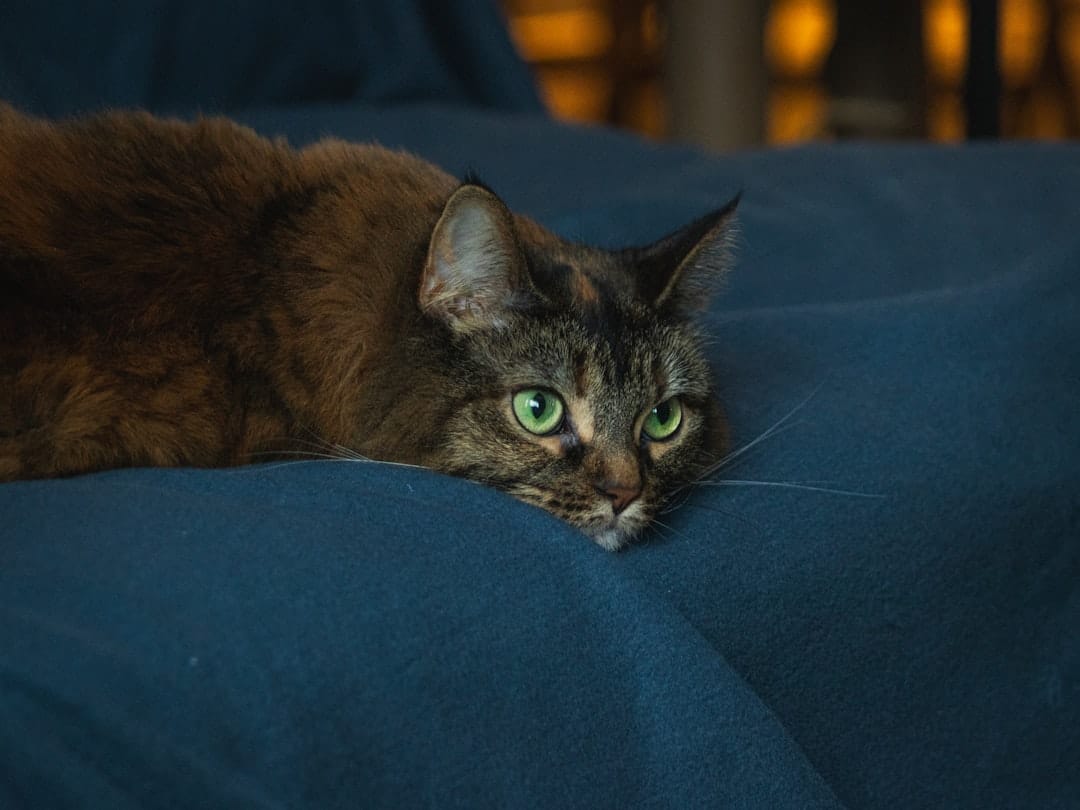
Seeing your cat twitching in sleep can be cute one moment and frightening the next. A paw may paddle, the whiskers may flick, the tail may thump, or the whole body may give a brief jerk. Most small movements happen during normal dream sleep. However, repeated shaking, stiffening, loss of bladder control, breathing difficulty, toxin exposure, or confusion after an episode can point to a medical emergency.
This veterinary guide explains what normal feline sleep twitching looks like, how it differs from tremors and seizures, which warning signs matter, what to record for your veterinarian, and what to do safely if an episode appears serious. It is designed to help you observe—not to diagnose a neurological problem at home.
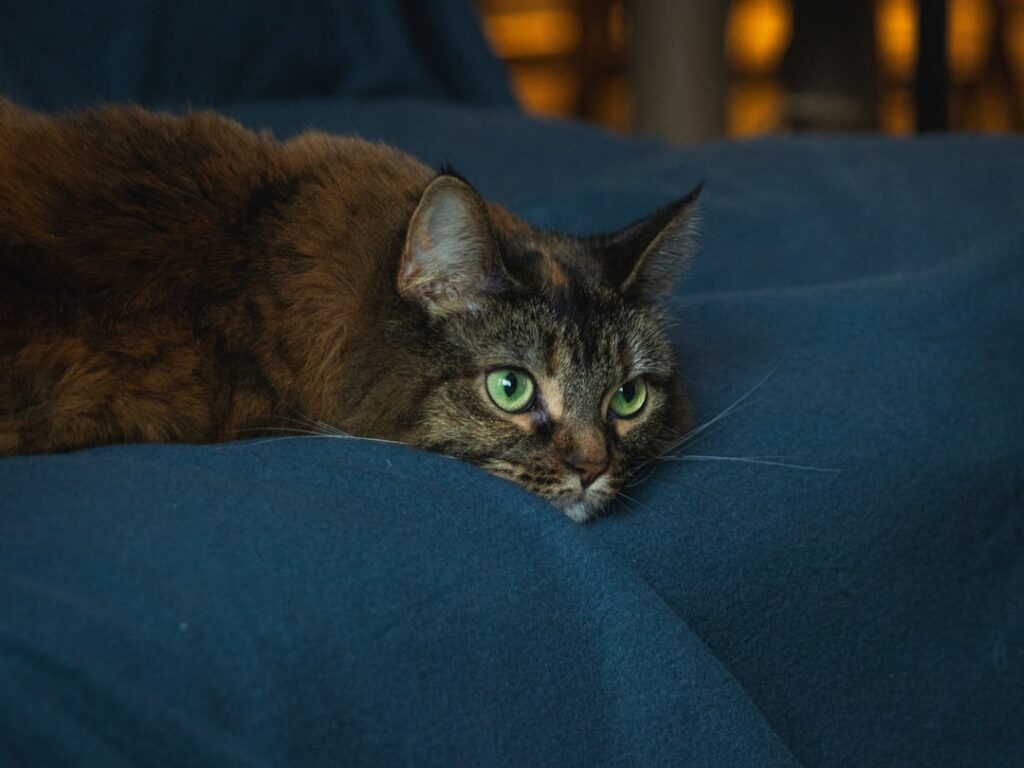
Cat twitching in sleep: Quick answer: Is twitching during sleep normal for cats?
Usually, yes. Brief, irregular movements of the paws, whiskers, ears, eyelids, mouth, or tail commonly occur during rapid eye movement (REM) sleep, the stage associated with dreaming. Normal twitches are generally mild, last seconds, remain limited to sleep, and stop when the cat wakes naturally.
Call a veterinarian promptly if the movements are new and frequent, also happen while your cat is awake, or are accompanied by weakness, pain, fever, vomiting, drooling, altered behavior, poor balance, or loss of appetite. Seek emergency care for an episode lasting five minutes, repeated seizures close together, suspected poisoning, collapse, blue or very pale gums, or difficulty breathing.
Usually normal
Small paw paddles, whisker flicks, ear movements, soft chirps, brief tail swishes, relaxed breathing, and normal behavior after waking.
Arrange a vet check
Twitching while awake, repeated episodes, skin rippling, intense itching, head tremors, pain, appetite change, weakness, or unusual behavior.
Emergency
Episode over five minutes, clusters, collapse, rigid body, breathing trouble, blue gums, severe disorientation, trauma, or possible toxin exposure.
What does normal cat twitching in sleep look like?
Normal sleep movements tend to be brief, variable, and gentle. Your cat may flex one paw as if running, move the lips as if nursing, flick an ear toward a sound, ripple the whiskers, swish the tip of the tail, or make a quiet chirp. The body stays mostly loose rather than rigid. Breathing remains regular, and the gums stay pink.
The movement may stop on its own, change to a different small motion, or end when the cat moves into another sleeping position. Once awake, the cat should quickly recognize you, walk normally, and behave like itself. A sleepy cat may take a few seconds to become fully alert, but it should not remain blind, disoriented, weak, or unable to stand.
Normal twitching is especially noticeable in kittens because their nervous systems are developing and they spend a large portion of the day asleep. It can also look more dramatic in a deeply relaxed adult cat because the paws, face, and whiskers are easy to see. One isolated jerk while falling asleep may simply be a startle-like muscle contraction.
| Feature | Normal REM twitch | Concerning tremor | Possible seizure |
|---|---|---|---|
| When it occurs | Only while sleeping | Sleeping or awake | Sleeping or awake; often sudden |
| Movement | Small, irregular paw, face, ear, or tail movements | Rhythmic shaking or persistent trembling | Stiffening, paddling, violent jerking, jaw movements, or focal facial twitching |
| Body tone | Relaxed | May remain standing or crouched | May become rigid or collapse |
| Awareness | Wakes and responds normally | Often aware, depending on the cause | May be unresponsive, although focal seizures can preserve awareness |
| Afterward | Normal immediately | May continue to appear ill or weak | Confusion, pacing, temporary blindness, hunger, sleepiness, or agitation may follow |
| Action | Observe | Record video and arrange veterinary advice | Time the episode and contact a veterinarian; emergency care for prolonged or clustered events |
Cat twitching in sleep: Why do cats twitch while sleeping?
1. REM sleep and dreaming
The most common explanation is normal REM sleep. Like people, cats cycle through lighter and deeper stages of sleep. During REM sleep the brain is active, the eyes can move beneath closed lids, and dream-related signals may produce small movements despite normal reduction in muscle activity. A cat may appear to chase, pounce, groom, or nurse in a dream.
REM movements are generally short and inconsistent. One paw may move, followed by whisker or ear motion. They should not progress into prolonged whole-body rigidity, repeated violent convulsions, breathing distress, or a long period of confusion.
2. A harmless sleep-start jerk
A single sudden jerk can occur as a cat drifts from wakefulness into sleep. The movement is usually over immediately. Your cat stays relaxed and continues sleeping. An isolated sleep-start is different from repeated tremors that continue for minutes or appear during normal waking activity.
3. Responding to sound, touch, or temperature
Even while resting, a cat can react to a door closing, another pet moving, a light touch, or a cool draft. An ear may turn, the skin may briefly ripple, or the paw may retract. Check that the sleeping area is warm, quiet, and away from repeated disturbance. Shivering that continues while awake—especially with cold ears, weakness, or illness—is not the same as a brief sleep twitch.
4. Itching from fleas, allergies, or skin irritation
An itchy cat may twitch the skin, flick the ears, kick a hind leg, or wake to scratch. Look for flea dirt, hair thinning, scabs, overgrooming, redness, or repeated ear scratching. Our guides to fleas in cats and cat ear infections and ear mites explain common clues. Avoid applying a dog flea product to a cat; some canine products can cause dangerous neurological signs.
5. Pain or physical discomfort
A painful area may cause muscle guarding, skin twitching, sudden waking, growling, or a change in sleeping posture. Cats often hide pain, so watch for reduced jumping, reluctance to be touched, hiding, poor grooming, decreased appetite, or litter-box changes. Review the subtle signs a cat may be in pain. New twitching plus weakness, a fall, or inability to use a limb needs prompt assessment.
6. Fever, low blood sugar, or electrolyte disturbance
Illness can produce shivering, tremors, weakness, or twitching that owners first notice during rest. Very young kittens, diabetic cats receiving insulin, cats that have not eaten, and cats with significant systemic disease deserve particular caution. Low blood sugar can progress from weakness and poor coordination to seizures or collapse. Abnormal calcium and other electrolyte levels can also cause muscle tremors or spasms.
Do not give sugar, supplements, human medication, or an extra meal during an active seizure. If a diabetic cat becomes weak or trembly after insulin, contact a veterinarian immediately and follow the emergency instructions previously provided for that individual cat.
7. Toxin or medication exposure
Tremors and seizures can follow exposure to certain insecticides, human medicines, recreational drugs, toxic plants, household chemicals, or an incorrect veterinary dose. Other warning signs may include drooling, vomiting, diarrhea, agitation, weakness, abnormal pupils, heavy breathing, or an unsteady gait. Cornell’s feline poison guidance lists seizures and sudden vomiting among important poisoning signs. Use our cat poisoning emergency guide and call a veterinary clinic or animal poison service without waiting for symptoms to worsen.
8. Neurological disease, tremors, or seizures
Neurological problems can cause tremors, seizures, behavior changes, poor balance, weakness, circling, altered awareness, or paralysis. A generalized seizure may cause collapse, stiffening, paddling, jaw movements, salivation, urination, or loss of responsiveness. A focal seizure can be subtler: repeated facial twitching, chewing motions, one-limb jerking, staring, sudden behavior changes, or snapping at invisible objects.
Because focal events can resemble dreaming, a clear video is extremely useful. Do not assume that a cat is conscious just because its eyes are open, and do not assume every small facial twitch is a seizure. The pattern, duration, recovery, and examination findings matter.
9. Feline hyperesthesia syndrome
Feline hyperesthesia is an uncommon syndrome associated with exaggerated sensitivity, often over the lower back. Possible signs include rippling skin, dilated pupils, sudden running, tail chasing, intense scratching, vocalization, drooling, or aggression when the area is touched. Cornell’s Feline Health Center notes that several skin, pain, behavioral, and neurological problems must be considered before the syndrome is diagnosed. Sleep-only paw twitching without these waking signs is less suggestive of hyperesthesia.
Cat twitching in sleep: Dreaming or seizure? Use this five-point check
1. Look at the whole body. Gentle, isolated movements with a relaxed body favor sleep twitching. Collapse, stiffness, repeated forceful paddling, or uncontrolled whole-body movement is more concerning.
2. Watch breathing and gum color. Normal sleep breathing should remain comfortable. Open-mouth breathing, gasping, blue-gray gums, or marked breathing effort is an emergency. Read how to recognize rapid breathing in cats.
3. Time the event. Do not rely on how long it feels. Start a phone timer. A few seconds of irregular motion is different from a continuous episode approaching several minutes.
4. Observe recovery. A dreaming cat wakes and returns to normal quickly. A post-seizure cat may pace, appear blind, seem intensely hungry, vocalize, hide, act confused, or sleep deeply. VCA notes that this post-ictal period can persist well beyond the seizure itself.
5. Consider the context. A new medication, recent flea treatment, possible toxin, head trauma, diabetes, fever, known neurological disease, or repeated events lowers the threshold for urgent veterinary advice.
Cat twitching in sleep: What should you do during a possible seizure?
Safe emergency steps
Start a timer and record video if it is safe. Move hard objects away and block access to stairs, water, balconies, or sharp edges. Dim lights and reduce noise. Keep children and other pets away. Speak calmly, but do not restrain the cat unless movement is essential to prevent an immediate fall.
Never put fingers, a spoon, food, or medicine in the mouth. Cats do not swallow their tongues during seizures, and jaw movements can cause a serious bite. Do not wrap the cat tightly and do not try to stop the paddling.
Contact an emergency veterinarian if the seizure reaches five minutes, another seizure begins before full recovery, several occur close together, the cat was exposed to a possible toxin, breathing is abnormal, significant trauma occurred, or this is accompanied by collapse or severe weakness. VCA classifies seizures, known toxin ingestion, collapse, and breathing difficulty as emergency situations.
Cat twitching in sleep: What information will help your veterinarian?
A phone video is often the most useful first clue because the episode may be over before you reach the clinic. Record from a safe distance and include the entire body if possible. Note the date, exact duration, whether the cat was asleep or awake, which body parts moved, whether the body became stiff, and whether the cat responded to its name.
Also record breathing pattern, gum color, drooling, urination or defecation, eye or pupil changes, and behavior during the hour after the event. List every prescription, supplement, flea or tick product, dewormer, and recent dose. Mention access to household chemicals, human medicines, plants, essential oils, garage products, rodents or bait, and any recent fall or head injury.
Keep a simple episode diary if the movements recur. Frequency can be as important as intensity. Note appetite, water intake, vomiting, diarrhea, weight change, mobility, and litter-box use. If your cat also becomes wobbly or falls, compare the signs with our guide to an older cat losing balance. Sudden inability to use the rear legs is a separate emergency described in our cat hind-leg paralysis guide.
How a veterinarian investigates twitching, tremors, or seizures
The first task is to decide whether the event is a normal sleep movement, tremor, pain response, fainting episode, vestibular event, focal seizure, or generalized seizure. The veterinarian will review the video and history, perform a physical and neurological examination, check temperature and hydration, listen to the heart and lungs, and assess awareness, gait, reflexes, pupils, and pain.
Initial testing may include blood glucose, complete blood count, blood chemistry, electrolytes, urinalysis, blood pressure, and tests selected for the cat’s age and risk factors. These can identify or support problems such as low blood sugar, liver or kidney disease, infection, anemia, or electrolyte imbalance. Known or suspected toxin exposure changes the emergency plan and may require immediate decontamination or supportive treatment.
If examination suggests a problem inside the brain, advanced investigation can include infectious-disease testing, magnetic resonance imaging (MRI), cerebrospinal fluid analysis, or referral to a veterinary neurologist. Not every cat needs every test. The plan depends on age, episode pattern, examination findings, medical history, and whether abnormalities persist between events.
Twitching in sleeping kittens
Kittens sleep for long periods and commonly show paw paddling, facial movements, suckling motions, and brief body jerks. When the kitten wakes easily, nurses or eats normally, gains weight, stays warm, and moves normally while awake, these movements are often part of normal sleep and nervous-system development.
Young kittens can deteriorate quickly, however. Seek prompt veterinary help if twitching occurs with poor nursing, weakness, continuous crying, cold body temperature, diarrhea, vomiting, fleas, pale gums, breathing difficulty, inability to stand, or failure to gain weight. Persistent tremors while awake can be associated with congenital or developmental neurological conditions. For example, cerebellar hypoplasia produces an intention tremor and coordination problems that are visible during waking movement rather than only during dreams.
Twitching in senior cats
An older cat can still have perfectly normal dream twitches. What matters is whether the movement is new and whether other changes accompany it. Senior cats have a higher likelihood of conditions that can affect blood pressure, metabolism, brain function, balance, strength, or medication tolerance. New tremors, seizures, circling, vision change, confusion, weakness, or altered behavior should not be dismissed as normal aging.
Check for weight loss, increased thirst or urination, appetite change, poor grooming, restlessness at night, difficulty jumping, or accidents outside the litter box. A video plus a senior health examination and laboratory testing can help identify treatable causes. If a senior cat is also losing weight, use our guide to weight loss in cats as a checklist for the appointment.
Can you prevent sleep twitching?
Normal REM twitching does not need prevention. It is part of sleep, not a disease. Give your cat a quiet, comfortable bed in a temperature-controlled area and allow uninterrupted rest. Maintain regular feeding, preventive veterinary care, parasite control, and a safe indoor environment.
Reduce preventable medical risks by storing medicines and chemicals securely, using only cat-labeled parasite products at the correct weight-based dose, and keeping toxic plants and pest products out of reach. Never give a human painkiller or sedative to stop twitching. If your cat has diabetes, epilepsy, kidney disease, or another chronic condition, follow the prescribed medication and monitoring schedule and ask the veterinarian for a written emergency plan.
A simple monitoring rule
Sleep-only + brief + relaxed + normal afterward usually supports observation. Awake + persistent + additional illness signs supports a veterinary appointment. Prolonged + clustered + collapse, toxin risk, or breathing trouble supports emergency care.
Frequently asked questions
Why is my cat twitching in sleep but otherwise acting normal?
Brief paw, whisker, ear, eyelid, mouth, or tail movements in a relaxed sleeping cat are most often associated with REM sleep and dreaming. If the movements stop after waking and the cat eats, walks, breathes, and behaves normally, monitor rather than interrupt every episode.
Should I wake a cat that is twitching while sleeping?
There is usually no need to wake a cat for mild dream movements. Touching a deeply sleeping cat can startle it. Observe breathing and body relaxation from a short distance. If the movement appears forceful or prolonged, start timing and record video instead of placing your hands near the mouth.
Is my cat dreaming when its paws move?
Paw paddling, whisker flicking, and small facial movements are consistent with dream-associated REM sleep, although we cannot know the content of a cat’s dream. The reassuring clues are a relaxed body, comfortable breathing, short duration, and normal behavior after waking.
Can a cat have a seizure while asleep?
Yes. Seizures can occur during sleep or wakefulness. Warning features include sustained rigidity, repetitive forceful jerking, loss of responsiveness, drooling, urination, abnormal breathing, or confusion afterward. Focal seizures may involve only the face or one limb, so video and veterinary assessment are important.
How long is too long for a possible seizure?
Time every suspected seizure. An episode lasting five minutes is an emergency, as are repeated seizures occurring before the cat fully recovers. Contact an emergency clinic while arranging safe transport. Do not wait for a prolonged episode to stop on its own.
Why does my cat’s back ripple during sleep?
A brief skin ripple can be a normal response to touch, sound, a dream, or minor irritation. Repeated rippling while awake—especially with dilated pupils, frantic grooming, biting at the back, tail chasing, or sudden aggression—needs evaluation for fleas, skin disease, pain, stress-related behavior, and possible hyperesthesia.
Why is my kitten twitching while sleeping?
Sleep twitching is common in healthy kittens. It becomes concerning when movements also occur while awake or accompany poor nursing, low body temperature, weakness, persistent crying, vomiting, diarrhea, pale gums, breathing difficulty, or failure to grow.
Can fleas make a sleeping cat twitch?
Flea bites and flea allergy can cause skin flicking, kicking, scratching, and sudden waking. Check for flea dirt and scabs, particularly around the back and tail base. Use a veterinarian-recommended cat product; never use a canine permethrin product on a cat.
Can medication cause tremors or twitching?
Some medications, incorrect doses, interactions, and toxic exposures can cause neurological signs. Contact the prescribing veterinarian if twitching starts after a new drug or dose change. Do not stop an anticonvulsant suddenly or repeat a dose unless the veterinarian instructs you to do so.
When should I book a non-emergency appointment?
Arrange an appointment for recurrent new episodes, twitching while awake, persistent head tremors, skin rippling with discomfort, appetite or weight change, unusual behavior, weakness, poor balance, or any event you cannot confidently identify. Bring video and a medication list.
Related GVH cat health guides
Subtle signs your cat is in pain
Quiet behavioral clues that cats often show before obvious illness.
Cat poisoning emergency guide
Warning signs, first actions, and mistakes to avoid after toxin exposure.
Old cat losing balance
Vestibular disease, ear problems, weakness, and neurological warning signs.
Veterinary references
This guide was prepared using current educational material from the Cornell Feline Health Center on neurological disorders, VCA Animal Hospitals on feline seizures and epilepsy, the MSD Veterinary Manual on nervous-system disorders in cats, Cornell’s information on feline hyperesthesia syndrome, and VCA’s feline emergency guidance.
Medical disclaimer: This article provides general veterinary education and cannot diagnose your cat. Twitching, tremors, fainting, pain responses, and seizures may look similar on video. Contact your veterinarian for individual advice, and use emergency care for prolonged seizures, repeated episodes without recovery, breathing difficulty, collapse, trauma, or possible poisoning.
Featured photograph by Crawford Passy via Unsplash.