
By Dr. Zahid Afzal, DVM – Veterinarian & Pet Health Writer
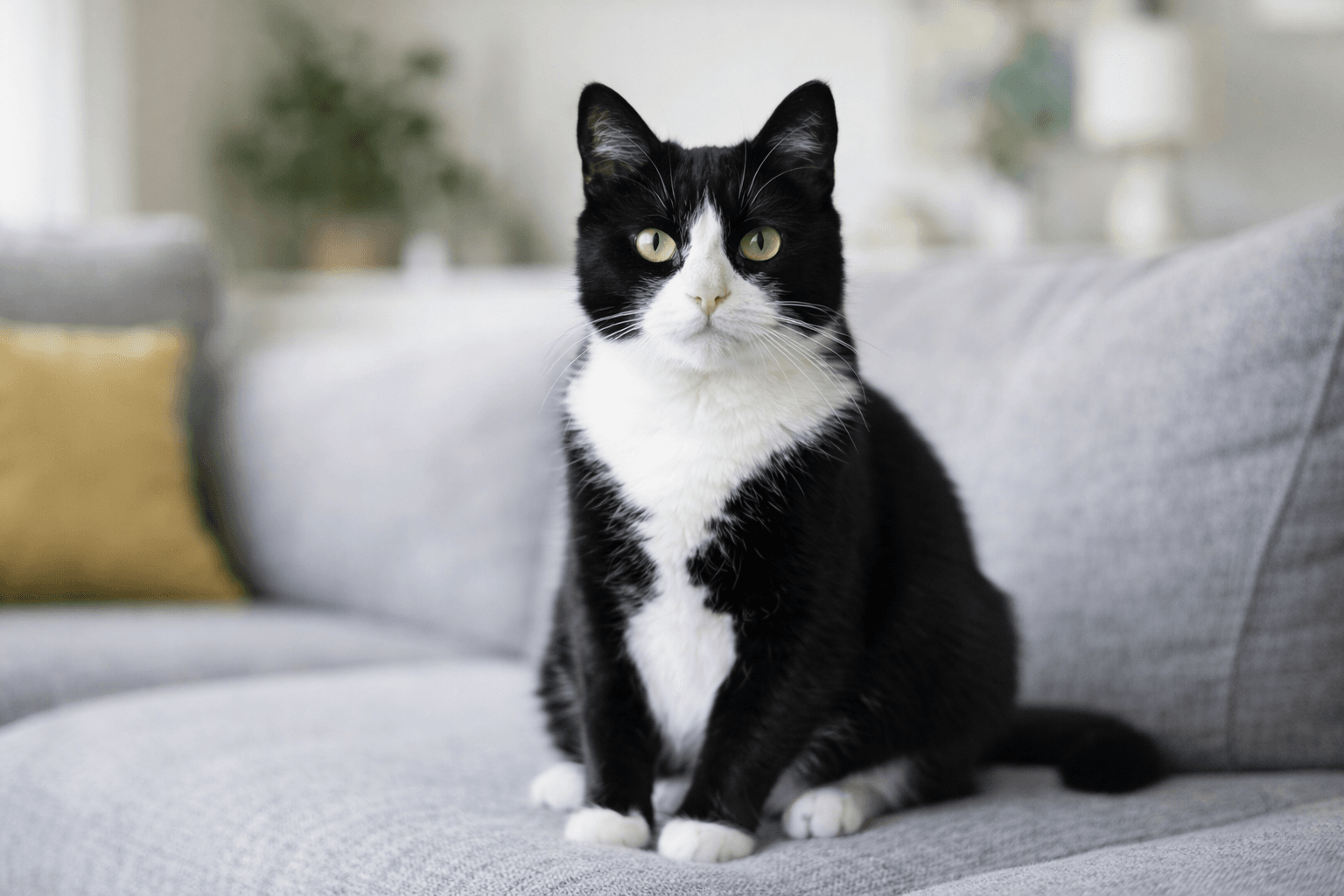
Tuxedo cats are not a breed — they’re cats with a black-and-white coat pattern that looks like a little formal suit. In my clinic (General Veterinary Hospital, Lahore), owners often ask the same questions: “Are tuxedo cats friendlier?” “Are they smarter?” “Do they live longer?” The truth is more interesting (and more useful): the pattern doesn’t decide personality, but your cat’s genetics, early socialisation, home environment, and health absolutely do.
This vet-written guide will help you understand what a tuxedo cat really is, what you can realistically expect from tuxedo cat personality, and how to handle the big daily topics: feeding, grooming, indoor enrichment, common health problems, and the red flags that mean you should see a veterinarian quickly.
Quick answers (60 seconds)
- Are tuxedo cats a breed? No — it’s a coat pattern.
- Are tuxedo cats friendlier or smarter? Not because of color; personality varies by individual and background.
- Do tuxedo cats live longer? Color doesn’t increase lifespan — care, diet, and genetics matter most.
- Do tuxedo cats need special care? Same as other cats: nutrition, dental care, parasite control, enrichment, and regular vet checkups.
Worried About Your Sick Pet?
Submit your pet’s symptoms, photos, videos or reports and get professional online vet guidance from Dr. Zahid Afzal, DVM.
Get Vet Advice Now →Online consultation • Second opinion • Report review • USA, UK & Worldwide
What Is a Tuxedo Cat, Exactly?
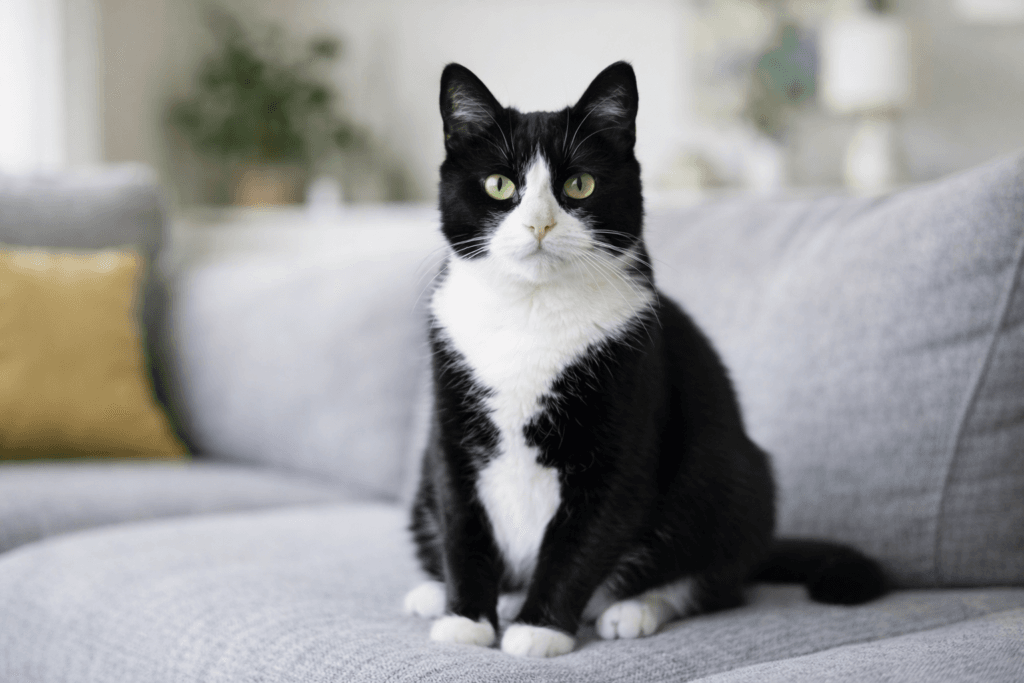
A tuxedo cat is not a specific breed. The term simply describes a black-and-white bicolour pattern that makes the cat look as if they are wearing a little jacket with a white shirt and sometimes white “socks” or a white chin. Many different breeds – and also mixed-breed domestic shorthairs and longhairs – can have this pattern.
The classic tuxedo pattern usually includes:
- A mostly black body, back and sides
- A white chest and belly (“bib” or “vest”)
- White paws or legs (short “socks” or longer “stockings”)
- Often a white chin, nose stripe or blaze on the face
Tuxedo cats can have short, medium, or long fur. You’ll see them in common mixed-breed “moggy” cats, but also in pedigreed breeds like the British Shorthair, American Shorthair, Maine Coon, Norwegian Forest Cat and many others.
How the Tuxedo Pattern Happens (Simple Genetics)
Coat colour in cats is controlled by multiple genes. Without going too deep into genetics, the tuxedo pattern is usually created when:
- A gene for black pigment is present, and
- White spotting genes tell some areas of the skin not to produce pigment, leaving patches of white fur.
The result is a sharply contrasted pattern that can range from minimal white (just paws and a little chest) to more dramatic patterns with half the body white. The exact distribution of white is random – even kittens in the same litter can look very different.
Importantly, coat pattern genes do not control personality. A tuxedo cat isn’t automatically friendly, smart, lazy or aggressive because of their colours. Personality comes from a mix of genetics, early socialisation and life experiences.
Tuxedo Cat Myths vs. Reality
Over the years, tuxedo cats have attracted a lot of legends. You’ll see social media posts claiming they are “the smartest cats,” or that they bring especially good luck. Let’s gently separate fun myths from scientific facts.
Myth 1: Tuxedo cats are a special “super smart” breed
Reality: there is no evidence that tuxedo cats as a group are more intelligent than other cats. Some individual cats with this pattern may be very clever or trainable, but that’s because of their unique brain and background – not just the colour of their fur. Intelligence varies a lot between individuals and breeds.
Myth 2: Tuxedo cats are always friendly and outgoing
Reality: many tuxedo cats are confident, sociable and playful – which is part of why they feel so memorable. However, some are shy or easily stressed. What really shapes friendliness is:
- How well they were socialised as kittens
- Whether they had positive or negative experiences with people
- Genetic temperament from their parents
With patient handling and a predictable routine, even a nervous tuxedo cat can learn to feel safer and more affectionate.
Myth 3: Tuxedo cats are luckier or healthier than other cats
Reality: I love tuxedo cats, but medically speaking their pattern does not guarantee better health. Their risk of problems like dental disease, obesity, kidney disease or arthritis is similar to other cats of the same breed, age and lifestyle. Preventive care is still essential.
Are tuxedo cats male or female?
Tuxedo is a coat pattern, not a sex-linked trait. You can have male and female tuxedo cats. (People confuse this with orange cats, where males are more common due to genetics.)
Are tuxedo cats aggressive?
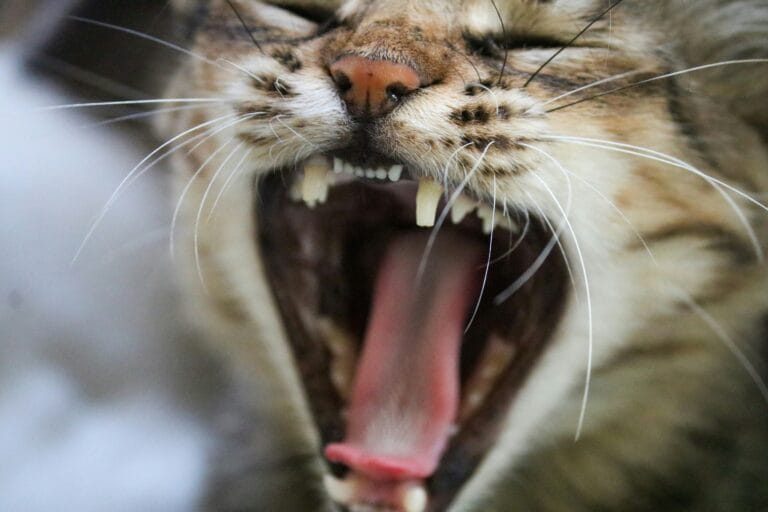
A tuxedo pattern does not cause aggression. If a cat is biting, scratching, or suddenly “acting mean,” the most common causes I see in practice are: pain (dental disease, arthritis), fear/stress, poor early socialisation, or overstimulation during play. Any sudden personality change deserves a vet check.
For independent, evidence-based information on feline health in general, I highly recommend the resources at International Cat Care and the Cornell Feline Health Center.
Typical Tuxedo Cat Personality (With a Big Disclaimer)
Remember: tuxedo is a pattern, not a breed. So we can’t say “all tuxedo cats are X.” That said, many owners and vets (including me) notice some common trends in the tuxedo cats we meet:
- Confident and curious: they often like to explore, climb and supervise what you’re doing.
- Social with their people: many enjoy being in the same room and may follow you from place to place.
- Playful hunters: tuxedo cats often love wand toys, chase games and food puzzles.
- Vocal “conversationalists”: some are quite chatty and will meow back when you talk to them.
Your individual cat, however, might be different. A tuxedo cat who had a rough start in life may be anxious or defensive at first. Never force interaction; instead, build trust slowly with play, predictable feeding times, and safe hiding spots.
Health and Lifespan of Tuxedo Cats
Because tuxedo cats can belong to many different breeds, their lifespan and disease risks depend more on:
- Whether they are an indoor-only cat or go outside
- Whether they are neutered or spayed
- Their body weight and diet quality
- Genetic background (e.g., Maine Coon vs. domestic shorthair)
- Access to regular veterinary care and vaccines
With good preventive care, many indoor tuxedo cats live well into their mid-teens, and some reach 18–20 years. Common health issues I see in tuxedo cats are the same as in the general cat population:
- Dental disease – tartar, gingivitis, tooth resorption
- Obesity – especially in neutered indoor cats with little exercise
- Chronic kidney disease – more common in older cats
- Arthritis – joint pain that can be subtle but affects mobility and mood
- Heart disease – especially in certain breeds (e.g., Maine Coon)
If you ever notice signs like weight loss, reduced appetite, hiding more, vomiting, or changes in drinking and urination, it’s important to speak with your vet promptly. You can review our guide on why your cat is not eating for red flags that should never be ignored.
Feeding a Tuxedo Cat: Nutrition Basics
There is no single “tuxedo cat diet,” but there are solid nutrition principles that apply to almost all adult cats:
- Choose a complete and balanced commercial cat food that meets AAFCO or FEDIAF standards for your cat’s life stage (adult, kitten, senior).
- Many cats do well on a combination of wet food plus a measured amount of dry food, which can help with hydration and weight control.
- Avoid overfeeding treats – keep them to less than 10% of daily calories.
- Always provide fresh, clean water in more than one location.
For overweight tuxedo cats, your vet may recommend a specific weight-management formula and a tailored calorie plan. Obesity is one of the most common issues we see in middle-aged indoor cats and can silently increase the risk of diabetes, joint pain and liver disease.
If you are considering homemade diets or raw food, it’s best to discuss this in detail with your veterinarian or a board-certified veterinary nutritionist. Improperly balanced homemade diets can lead to nutrient deficiencies over time. The American Association of Feline Practitioners has position statements that explain the risks and benefits of different feeding approaches.
Vet note (Dr. Zahid Afzal, DVM): In practice, tuxedo cats come in many breeds and mixes — so their health risks depend more on body condition, dental health, vaccinations/parasite control, and breed background than on coat color. If your cat’s appetite, drinking, litter box habits, or activity changes, don’t wait weeks — early checks are cheaper and safer.
Grooming Tuxedo Cats: Short vs Long Hair
How much grooming your tuxedo cat needs depends on their coat length.
Short-haired tuxedo cats
Most short-haired tuxedo cats are relatively low maintenance. A weekly brushing with a soft slicker brush or rubber grooming mitt will:
- Remove loose hair and reduce shedding
- Help prevent hairballs
- Give you a chance to check the skin for lumps, scabs or fleas
Long-haired tuxedo cats
If your tuxedo cat is a long-haired breed like a Maine Coon or Norwegian Forest Cat, plan on brushing at least three times per week. Focus on the armpits, behind the ears, and around the backside to prevent painful mats. Some long-haired cats also need regular sanitary trims by a groomer or veterinary nurse to keep the fur around the anus and back legs clean.
Nail trims every 3–6 weeks, dental care (tooth brushing or dental diets/chews) and regular parasite prevention are also important parts of grooming and general health.
Indoor Life, Play and Enrichment
Many tuxedo cats are kept as indoor-only pets, which is generally safer in terms of road accidents, fights and infectious diseases. However, an indoor lifestyle only works well if you provide enrichment and mental stimulation.
Key enrichment ideas for tuxedo cats:
- Vertical space: cat trees, shelves and window perches to climb and watch the world.
- Interactive play: daily play sessions with wand toys or feather toys to mimic hunting.
- Food puzzles: puzzle feeders or scatter-feeding kibble so your cat has to “hunt” for food.
- Scratching posts: at least one tall vertical scratcher (for full-body stretch) and one horizontal option.
- Safe hiding spots: cardboard boxes, covered beds, or igloo-style hideouts where the cat can retreat.
Well-enriched tuxedo cats tend to be happier, more confident and less likely to develop stress behaviours like over-grooming or inappropriate urination.
Litter Box Tips for Tuxedo Cats
Coat colour doesn’t affect litter box habits, but environment does. To reduce accidents and stress:
- Use one litter tray per cat, plus one extra, in different quiet locations.
- Choose a low-dust, unscented litter that is gentle on the paws.
- Clean solid waste daily and change the litter regularly.
- Avoid placing trays next to noisy appliances, doors that slam, or the cat’s food and water.
If your tuxedo cat suddenly stops using the litter tray, don’t assume it’s “naughtiness.” Pain, urinary tract disease, kidney problems and stress can all cause changes in toilet habits. A vet check is essential if this happens.
Vet Checkups and Preventive Care
Just like any other cat, tuxedo cats benefit from regular veterinary care even when they seem perfectly healthy. A typical preventive care plan includes:
- Annual or twice-yearly checkups (more frequent for seniors)
- Core vaccinations, based on your cat’s lifestyle and local disease risk
- Routine deworming and flea/tick prevention
- Dental checks and professional cleaning when recommended
- Weight monitoring and body condition scoring
Early detection of illness almost always leads to better outcomes and lower overall costs. If you’re unsure how often your tuxedo cat needs a checkup, talk to your own veterinarian or reach out through our About / Vet Consultation page for guidance.
When to Worry: Red-Flag Signs in Tuxedo Cats
Colour pattern aside, some symptoms should always be taken seriously in any cat. Contact a vet urgently if your tuxedo cat shows:
- Complete loss of appetite for more than 24 hours
- Repeated vomiting or diarrhoea
- Straining in the litter tray with little or no urine
- Sudden weakness, collapse or open-mouth breathing
- Severe pain, crying, or hiding and not moving much
Cats are experts at hiding discomfort, so subtle changes in behaviour, grooming or activity can be the first sign that something is wrong. Trust your instincts – if your tuxedo cat seems “off,” it’s better to get them checked.
Frequently Asked Questions About Tuxedo Cats
Are tuxedo cats a specific breed?
No. “Tuxedo” describes a black-and-white colour pattern, not a breed. Many different breeds – and mixed-breed cats – can have this pattern. When choosing a tuxedo kitten or adult cat, ask which breed(s) they come from, as that will influence size, coat length and some health risks.
Do tuxedo cats live longer than other cats?
There is no good evidence that tuxedo cats live longer just because of their colour. Lifespan depends more on genetics, diet, indoor vs outdoor lifestyle, and access to regular veterinary care. With good care, many indoor tuxedo cats live 14–18 years or more.
Are tuxedo cats good with children and other pets?
Many tuxedo cats are playful and social, which can make them great companions for respectful children and well-behaved dogs. The key is gradual introductions, safe spaces where the cat can retreat, and teaching children how to handle cats gently. Individual temperament matters much more than fur colour.
Do tuxedo cats need special grooming?
Short-haired tuxedo cats usually need only weekly brushing, regular nail trims and dental care. Long-haired tuxedo cats require more frequent brushing (several times a week) to prevent mats, especially around the armpits and backside. Otherwise, their grooming needs are the same as other cats.
References (evidence-based resources)
- International Cat Care (icatcare.org) – feline behaviour and health guidance
- Cornell Feline Health Center (vet.cornell.edu) – veterinary-reviewed feline health information
- AAFP (American Association of Feline Practitioners) – feline care guidelines and statements
Bottom Line: Tuxedo Cats Are Stylish, But Still Just Cats
Tuxedo cats combine striking looks with the same complex, sensitive nature that makes all cats so fascinating. Their black-and-white coats may make them stand out in photos, but their health needs, emotions and daily care requirements are no different from any other feline.
By providing a balanced diet, safe indoor environment, regular play and enrichment, and consistent veterinary care, you can help your tuxedo cat enjoy a long, comfortable life. In return, you’ll get a loyal, entertaining companion who just happens to be permanently dressed for a black-tie event.
Related reading: if you have a cat, see our guides to why cats sleep more than usual, cat teeth grinding, and why cats knead.




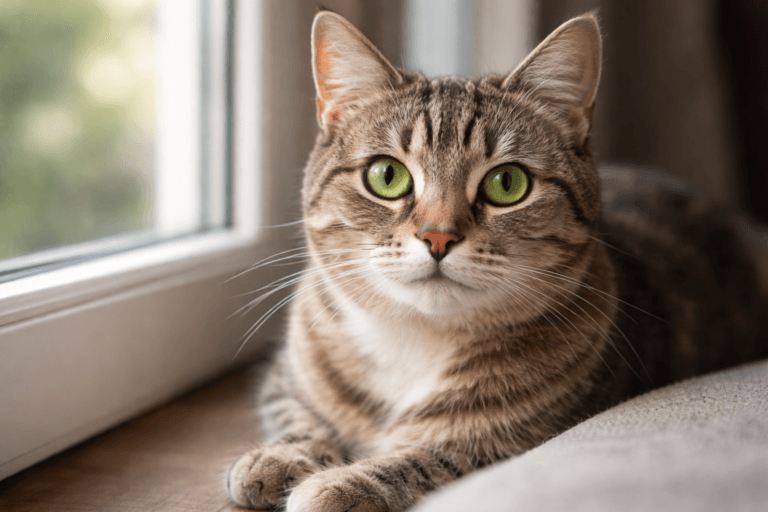

I appreciate how clearly you explained that the tuxedo pattern isn’t tied to a specific breed—people are often surprised to learn how much personality variation comes from environment and individual temperament rather than coat color. I’ve noticed many tuxedo cats tend to be confident, so it was helpful to see a vet’s perspective confirming that their personalities can really be all over the map. The section on day-to-day care also reinforces how important it is to focus on the cat’s actual needs rather than assumptions based on their markings.
ข้อมูลชุดนี้ น่าสนใจดี ค่ะ
ผม ไปเจอรายละเอียดของ หัวข้อที่คล้ายกัน
ที่คุณสามารถดูได้ที่ Dedra
น่าจะถูกใจใครหลายคน
มีการยกตัวอย่างที่เข้าใจง่าย
ขอบคุณที่แชร์ เนื้อหาดีๆ นี้
จะรอติดตามเนื้อหาใหม่ๆ ต่อไป