

By Dr. Zahid Afzal, DVM – General Veterinary Hospital, Lahore
Let’s be honest: some dogs are born supermodels… and some look like they’ve rolled out of bed on a bad hair day and never recovered. People call them “ugly dog breeds” – wrinkly faces, bald patches, crooked teeth, comically big noses. But as a veterinarian who sees dogs every day at General Veterinary Hospital, Lahore, I can tell you this: many of the dogs we joke about as “ugly” are some of the sweetest, funniest and most loyal patients I treat.
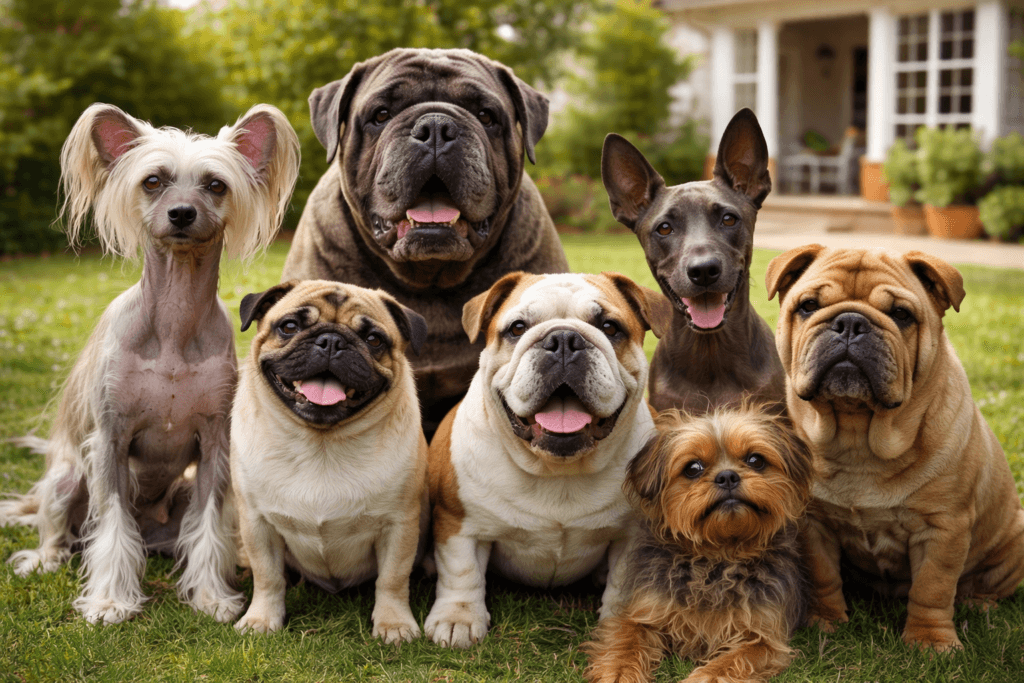
Ugly dog breeds: A quick note before we start
In this article, “ugly” is used in a light-hearted way. No dog is truly ugly – they’re just unusual-looking. Please don’t choose (or reject) a dog based only on looks. Choose them for their temperament, health and whether they fit your lifestyle.
What do we actually mean by “ugly dog breeds”?
When people search for ugly dog breeds or “ugliest dog breeds in the world”, they usually mean dogs that:
- Have unusual body proportions – very short legs, long noses, big heads.
- Are hairless or partially hairless, which can look strange to some people.
- Have lots of wrinkles, extra skin or droopy lips that always seem to be drooling.
- Have flattened faces (brachycephalic breeds) which can cause snoring and eye issues.
None of this makes a dog less deserving of love. But some of these features do affect health. That’s why this guide focuses on both: how they look and what you need to know medically.
Ugly dog breeds: Want a deeper dive into everyday pet health?
You can also read our free vet-written e-book style guide on keeping your pets healthy at home:
The list: 15 “ugly” dog breeds vets actually see all the time
I’ll go through each breed (or type) with:
- Why people call them ugly
- What they are really like to live with
- Key health issues I see in the clinic
- Who they are suitable for
1. Chinese Crested – the “bald and beautiful” lapdog
If you Google “ugliest dog contest”, you’ll probably see a Chinese Crested. Thin body, almost hairless skin, tufts of wild hair on the head, tail and ankles – they look like a tiny horse that forgot to get dressed.
In reality, many Cresteds are gentle, sensitive companions. I’ve treated a few in Lahore – they often cling to their favourite human, shiver in the air-conditioning and love burrowing under blankets.
Common health issues
- Skin problems: sunburn, dryness, acne-like bumps.
- Dental disease: many have missing or crooked teeth early in life.
- Sensitive to cold and heat because of thin coat.
Vet tip: Treat their skin like a baby’s. Gentle dog-safe sunscreen outdoors, soft clothing in winter and regular dental checks. They’re best for households that are mostly indoors and happy to baby a dog a little.
2. Neapolitan Mastiff – walking wrinkle monster
The Neapolitan Mastiff looks like someone melted a normal dog and forgot to stop. Huge body, heavy jowls, folds upon folds of skin – when one of these giants walks into the clinic, everyone turns to stare.
Under all those wrinkles is often a sweet, calm guardian. They’re deeply attached to their family but can be intimidating to strangers simply because of their size.
Common health issues
- Eye problems: droopy lids (entropion / ectropion) causing irritation.
- Skin infections: moisture trapped in folds leads to redness and smell.
- Joint disease: hip and elbow dysplasia are common in such heavy breeds.
- Shorter life expectancy compared with many smaller dogs.
Vet tip: This is not an apartment pet. They need space, careful breeding, high-quality diet and owners who can handle both the physical strength and veterinary bills.
3. Pug – adorable face, serious breathing issues
Many people don’t think of Pugs as ugly – they call them “so ugly they’re cute”. Big round eyes, flat nose, curly tail and snorting sounds make them favourites on social media.
As a vet, I find them very affectionate and clownish, but I also worry about what we’ve done to their bodies with extreme breeding.
Common health issues
- Brachycephalic airway syndrome: narrow nostrils, long soft palate.
- Heat intolerance – they can overheat dangerously fast; excessive panting in dogs can be an important warning sign.
- Eye ulcers and injuries due to bulging eyes.
- Obesity – they love food and hate strict diets. Use our pet health calculator to estimate calorie needs and support safer weight management.
Vet tip: If you love Pugs, choose one with a slightly longer nose and more open nostrils, and keep them slim. Avoid exercise in hot, humid weather. Many Pugs eventually need surgery to help them breathe more comfortably.
4. English Bulldog – charming, stubborn and medically complicated
English Bulldogs look like grumpy old men trapped in dog bodies. Wide chest, pushed-in face, underbite and deep facial folds give them that “cartoon ugly” look so many people adore.
They can be very affectionate couch potatoes, but they are also one of the highest-maintenance breeds medically. In my clinic, Bulldog consultations often involve a long conversation about realistic expectations and long-term costs.
Common health issues
- Severe breathing problems and snoring.
- Skin infections in facial folds and under the tail.
- Joint problems and early arthritis.
- Difficulty with natural whelping; many need C-sections.
Vet tip: If you already share your home with a Bulldog, work closely with a vet you trust, keep them lean and be proactive about skin care, dental care and breathing assessments.
5. Bull Terrier – egg-shaped head, clown heart
The Bull Terrier is instantly recognisable: long egg-shaped head, tiny eyes and muscular body. Some people find that face almost alien. In the exam room, though, many Bull Terriers behave like overgrown toddlers – excitable, goofy and always in the middle of things.
Common health issues
- Skin allergies and itching, especially in white dogs.
- Deafness in some lines, particularly mostly-white puppies.
- Occasional behavioural issues if not well trained and socialised.
Vet tip: Bull Terriers do best with confident owners who enjoy training and mentally stimulating their dog. Early socialisation and clear boundaries are crucial.
7. Brussels Griffon – the scruffy bearded goblin
With a beard, moustache and big eyes, the Brussels Griffon looks like a tiny, annoyed old professor. Some people think they’re adorable, others think they’re plain odd.
In the clinic they’re often very attached to one person and a bit suspicious of strangers – but with patience they become wonderful lapdogs.
Common health issues
- Airway problems (in shorter-nosed lines).
- Dental overcrowding in their small mouths.
- Luxating patella (kneecap slipping).
Vet tip: Good dental care and keeping them slim goes a long way. They’re best for adults or families with calmer, older children.
8. Affenpinscher – the little monkey dog
“Affen” means monkey in German, and the Affenpinscher looks exactly like that – a monkey-faced, wild-haired, black little gremlin. They’re often listed in weird looking dog breeds.
Personality-wise they’re bold and busy. Many forget they’re small and will challenge much larger dogs, which can be dangerous.
Common health issues
- Dental disease if teeth aren’t cleaned.
- Occasional patella luxation.
- Some lines prone to respiratory or heart issues.
Vet tip: Great for active adults in apartments, provided you commit to regular training, mental games and early socialisation.
9. Xoloitzcuintli (Mexican Hairless) – elegant, strange and ancient
The Xoloitzcuintli (pronounced show-low-eats-QUEENT-lee) is almost completely hairless, with smooth skin and big upright ears. Many people find them “wierdly naked” and put them on lists of ugliest dog breeds, but they’re actually a very ancient, dignified breed.
Common health issues
- Sunburn and skin injuries due to lack of fur.
- Some dental abnormalities linked to the hairless gene.
- They feel the cold easily.
Vet tip: Similar to Chinese Cresteds, Xolos need sensible sun protection and soft bedding. They tend to be calm, thoughtful dogs for experienced owners who enjoy a quieter companion.
10. Dachshund – the long dog on very short legs
Dachshunds are popular, but if you stop and really look at them, they are quite an odd design: very long spine, tiny legs, big chest and expressive face. Many people think they look like a walking sausage.
They’re often brave, vocal and opinionated. In my experience, back problems are the main worry.
Common health issues
- Intervertebral disc disease (IVDD) – slipped discs in the spine.
- Obesity – extra weight puts even more stress on the back.
- Dental disease in some lines.
Vet tip: Avoid letting Dachshunds jump on and off furniture. Keep them lean and fit; contact your vet immediately if you see wobbliness, dragging limbs or pain when picked up.
11. Bedlington Terrier – lamb or dog?
The Bedlington Terrier looks like a sheep and a dog had a baby: arched back, tasselled ears and fluffy topknot. Some people find the look charming, others think it’s just strange.
They’re normally energetic and good-natured, but still terriers at heart – they enjoy chasing and digging.
Common health issues
- Copper storage disease (a liver condition) in some bloodlines.
- Skin and coat issues if grooming is neglected.
Vet tip: Choose a breeder who screens for liver disease and be prepared for regular professional grooming to keep that lamb-like coat clean and comfortable.
12. Irish Wolfhound – scruffy giant with a gentle soul
Irish Wolfhounds aren’t ugly in the traditional sense, but their size, long beard and rough coat can make them look like shaggy horses. Many people are intimidated by their sheer height.
Most Wolfhounds I’ve met are extremely gentle and calm, but they have special health considerations.
Common health issues
- Short life expectancy compared with smaller dogs.
- Heart disease (dilated cardiomyopathy in some lines).
- Risk of gastric dilatation-volvulus (bloat) – learn the emergency signs in our dog bloat (GDV) emergency guide.
Vet tip: They need space, good nutrition and owners who accept that giant breeds generally don’t live as long. Regular heart checks are wise.
13. Pekingese – royal, flat-faced and feather-footed
The Pekingese has a flat face buried in a huge coat, with feathered legs and a rolling gait. To some, they look like glamorous little lions; to others, they seem like a mop with eyes.
Many Pekingese I’ve seen are calm, stubborn and quite dignified, but that cute flat face hides real problems.
Common health issues
- Brachycephalic airway syndrome and snoring.
- Eye injuries due to prominent eyes and long hair.
- Back and joint problems from their body structure.
Vet tip: Keep their coat carefully trimmed around the eyes, maintain ideal weight and avoid heat. Discuss breathing surgery with your vet if they struggle for air.
From a vet’s desk: what “ugly” often means medically
When you look at all these weird looking dog breeds together, some patterns appear:
- Very flat faces = higher risk of breathing, eye and heat problems.
- Lots of wrinkles = more skin infections and eye issues.
- Extremely long backs and short legs = higher spinal problems.
- Hairless coats = more sunburn and skin injuries.
- Giant size = shorter average lifespan and joint disease.
None of these are automatic reasons to avoid a breed, but they are reasons to prepare – emotionally, physically and financially. If you’re in Lahore and thinking about one of these dogs, you can always bring your shortlist to our clinic and we’ll talk honestly about what living with that body type really means.
14. Mixed-breed “ugly ducklings” – shelter originals
Some of the ugliest dog breeds aren’t breeds at all, but unique mixed-breed dogs. One ear up, one ear down, short legs, big nose, patchy coat – I’ve met countless “ugly ducklings” in rescue organisations.
These dogs can be fantastic family pets. They often have fewer inherited problems than some pure breeds, but they still need vaccinations, parasite control and sensible diets.
Vet tip: Don’t scroll past the odd-looking dog on a rescue website. Ask about their temperament and health checks instead.
15. The “ugly” dog already on your sofa
Finally, the most important entry on this list: the dog you already live with. I’ve lost count of the times an owner in Lahore has said, “Doctor, I know he’s ugly – but he’s my baby.”
When you love a dog, every crooked tooth and patch of missing fur becomes part of their story. From a veterinary point of view, my only concern is: are we keeping this unique creature as healthy and pain-free as possible?
Thinking about adopting an “ugly” dog? Key questions to ask first
Before you bring home any of these so ugly they’re cute dogs, ask yourself:
- Can I afford likely vet bills?
Brachycephalic breeds, giant breeds and dogs with known genetic problems may need surgery, long-term medication or specialist food. - Is my climate suitable?
Hairless dogs and flat-faced dogs often struggle in very hot, humid weather. In Lahore’s summers, that matters. - Do I have time for grooming?
Shar-Peis, Bulldogs, Pekingese and Bedlington Terriers need regular skin or coat care. - What is the breeder or rescue’s attitude to health?
Responsible breeders screen for inherited disease and care more about function than extreme looks.
Myth vs reality: “Ugly dogs are unhealthy”
Myth: Every strange-looking dog will be sickly.
Reality: Many live long, happy lives – if you:
- Choose from ethical breeders or reputable rescues.
- Keep them at a healthy weight.
- Stay up-to-date with vaccines, parasite control and dental care.
- See your vet early when something seems “off”.
In my own caseload at General Veterinary Hospital, Lahore, I’ve seen “perfectly bred” pretty dogs with terrible health – and scruffy, odd-looking dogs that hardly needed a vet beyond their annual check-ups.
FAQs about ugly dog breeds
Are ugly dog breeds good with children?
It depends more on the individual dog and training than looks. Many Pugs, mixed-breeds and medium-sized “ugly” dogs are wonderful with kids when socialised early. Very tiny, fragile or giant breeds can be a poor match for rough play.
Which ugly dog breeds are easiest to care for?
Generally, moderate-sized mixed breeds with normal nose length and short to medium coats are easier. Extreme wrinkles, hairlessness and very flat faces always mean more work.
Can I make my ugly dog “prettier”?
You can’t change their basic structure, but you can make them look and feel their best with:
- Regular grooming and coat care.
- Good nutrition so their body is lean, not overweight.
- Clean teeth and healthy skin.
- Confident, happy body language that comes from kind training.
Is it cruel to breed very extreme ugly dog breeds?
From a veterinary welfare point of view, any breeding that causes predictable suffering is a concern. That’s why many vets now speak openly about the health problems of extremely flat-faced breeds. If you love these dogs, support breeders and organisations working to bring their bodies back to a healthier shape.
Need help deciding if a quirky-looking breed is right for you?
If you’re in or around Lahore and thinking about adopting one of these unusual dogs, you’re welcome to bring your questions to General Veterinary Hospital. We can review the breed’s health risks, check any puppy you’re considering and help you plan their long-term care.



One Comment