
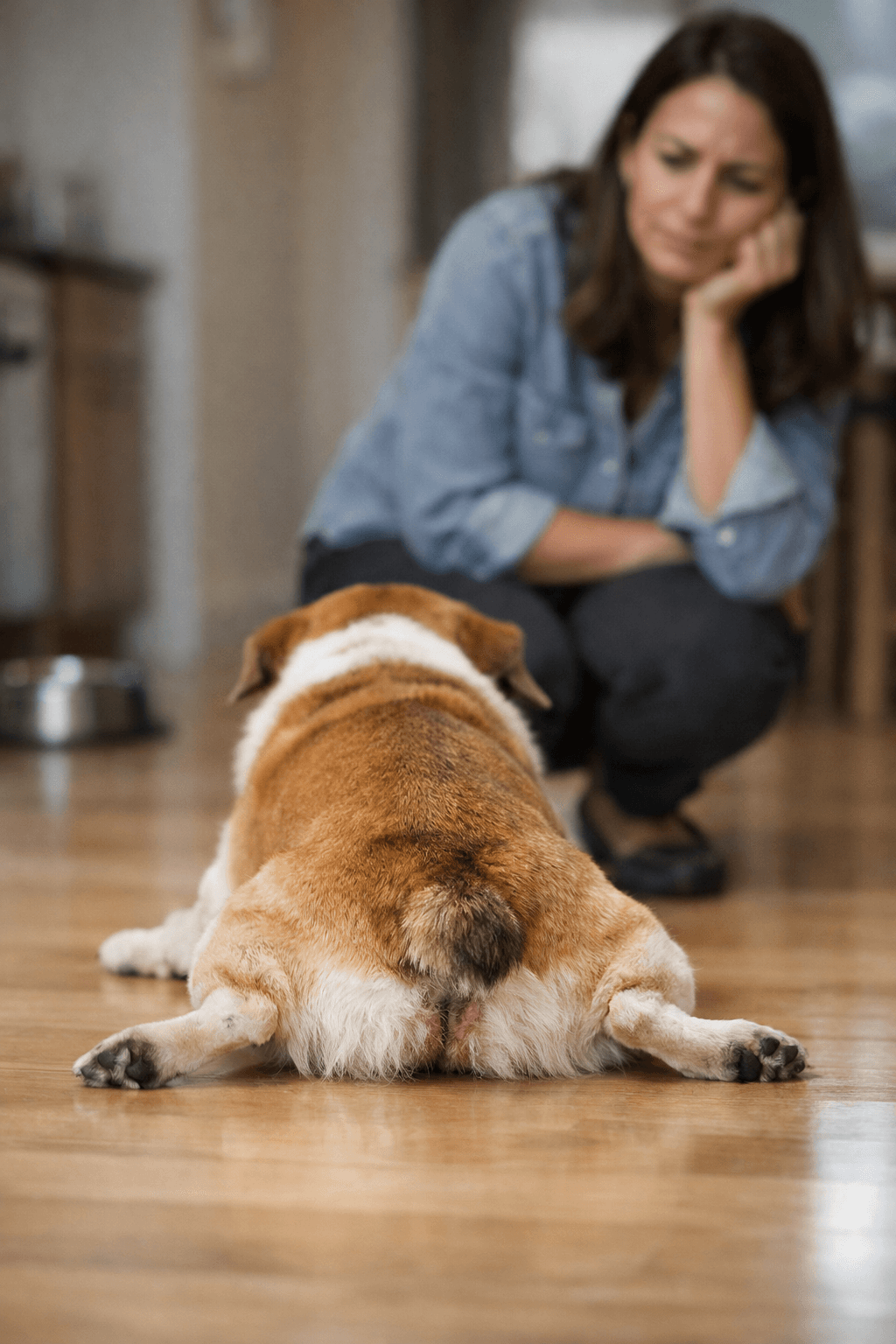
When a dog drags their rear end across the floor, something around the anus is usually itchy, irritated or painful. Anal gland problems are a common cause, but worms, loose stool, allergies and matted fur can also be involved. This guide explains what to check at home and when your dog needs veterinary care.
Many owners smile the first time they see a dog scoot across the floor, but it is not normal behavior. Scooting is your dog’s way of saying that something feels wrong. A dog may scoot once after a messy bowel movement and then be completely fine. Another dog may scoot several times a day because the real problem has not been addressed.
At General Veterinary Hospital Lahore, this is something we see regularly. A Labrador was once brought in because the owner thought the dog had worms, but the real issue was badly impacted anal glands. On another day, a small mixed-breed dog came in after dragging across the carpet for three days, and the cause turned out to be skin irritation and soft stool after a sudden diet change. These real-life cases show why dog scooting should never be blamed on just one cause without proper assessment.
In this guide, you will learn the most common causes of dog scooting, how anal glands are involved, whether worms are always responsible, what you can safely do at home, and which warning signs mean it is time to visit a veterinarian.
What is dog scooting?
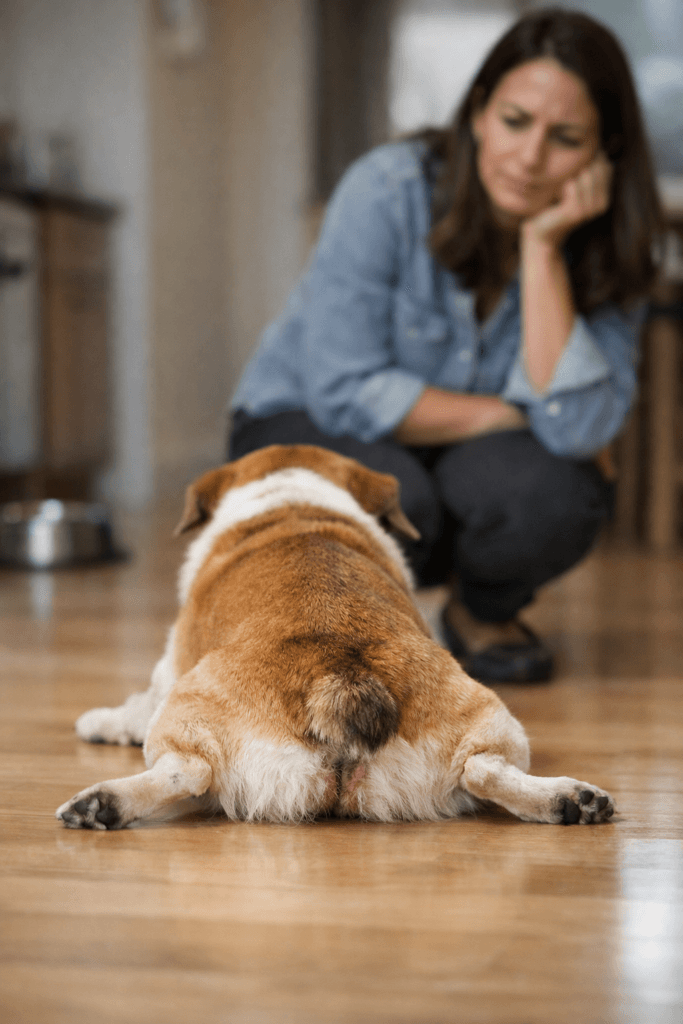
Dog scooting means dragging the bottom along the floor or ground while sitting. Most dogs use the front legs to pull themselves forward. Some lick under the tail before or after scooting. Others suddenly sit down after passing stool and rub the rear across the surface.
Scooting itself is not a disease. It is a symptom. It tells you that the skin around the anus, the anal sacs, or the lower digestive tract is irritated, itchy, inflamed, or painful.
What causes dog scooting?
The most common causes include:
- Impacted or inflamed anal glands
- Anal gland infection or abscess
- Tapeworms or other intestinal parasites
- Loose stool or diarrhea
- Food allergy or environmental allergy
- Skin infection around the anus
- Matted hair or stool stuck to the fur
- Minor wounds or local irritation
- Less commonly, rectal disease, polyps, or tumors
Because several very different problems can cause the same behavior, it is important not to guess too quickly. A dog that scoots repeatedly needs the cause identified, not just the symptom ignored.
The most common reason: anal gland problems
The anal glands, also called anal sacs, are two small sacs located just inside the anus. They normally release a small amount of strong-smelling fluid during bowel movements. In healthy dogs, owners usually never notice them.
Problems begin when these sacs do not empty normally. The fluid becomes thick, the stool is too soft to press on the sacs properly, or inflammation blocks normal emptying. As pressure builds up, the dog starts to feel itching, fullness, pain, or burning. That discomfort often leads to scooting.
Anal gland problems usually progress in stages:
- Impaction: the sacs are too full and cannot empty well
- Inflammation: the sacs become irritated and painful
- Infection: bacteria grow inside the sacs
- Abscess: pus builds up and may rupture through the skin
Dogs with anal gland trouble may show:
- Repeated scooting
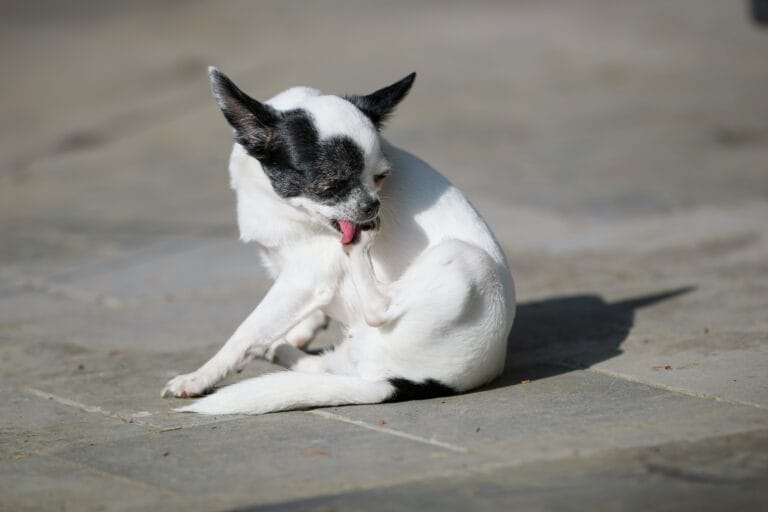
- Licking or chewing under the tail
- A fishy or foul smell
- Pain when sitting
- Swelling beside the anus
- Blood, pus, or discharge near the rear end
At General Veterinary Hospital Lahore, anal gland disease is one of the most frequent reasons behind persistent scooting. A common pattern is a dog that first starts licking the rear, then begins scooting, and finally becomes uncomfortable enough to cry during defecation. Owners often say, “We thought it would settle on its own,” but by that point the glands may already be infected.
Can worms cause dog scooting?
Yes, worms can cause dog scooting, but not every scooting dog has worms. This is one of the biggest myths around this symptom.
The parasite most often linked to scooting is the tapeworm. Tapeworm segments can pass out of the anus and stick to the fur. They often look like small grains of rice. These moving or drying segments can irritate the skin and make the dog drag the rear on the floor.
Dogs usually get tapeworms by swallowing infected fleas. This is why a dog with tapeworms often also needs proper flea control. Treating only the worms and ignoring fleas can allow the problem to return.
Signs that worms may be involved include:
- Rice-like segments near the anus or on bedding
- History of fleas
- Irregular deworming
- Digestive upset
- Weight loss in some dogs
If you are already working on your dog’s parasite control, related guides like dog worms symptoms and treatment and the complete deworming and parasite control guide can help owners understand the bigger picture.
Dog scooting after diarrhea or loose stool
Loose stool is another major reason for scooting. When stool is soft, it does not provide enough pressure to empty the anal sacs naturally. Diarrhea can also leave residue around the anus, causing itching and skin irritation.
In some dogs, scooting begins right after a short digestive upset. The owner may notice a messy rear end, frequent licking, and scooting after bowel movements. Sometimes the problem improves once the stool becomes normal again. In other dogs, soft stool keeps causing repeated anal gland issues.
We often see this at General Veterinary Hospital Lahore after diet changes, table food, rich leftovers, or sudden treats. One German Shepherd was brought in after a family wedding because the dog had been fed oily scraps and bones. The dog developed diarrhea, then started scooting repeatedly. Once the digestive upset was treated and the irritated area was cleaned, the scooting settled.
Can allergies cause dog scooting?
Yes, allergies can absolutely cause scooting. Dogs with food allergies or environmental allergies often have itchy skin, inflamed ears, itchy paws, recurrent skin infections, and irritation around the tail and anus. Some dogs mainly show rear-end discomfort and scooting, while others also have paw licking, red skin, or ear problems.
Signs that allergies may be contributing include:
- Frequent paw licking
- Red or inflamed skin
- Recurring ear infections
- Seasonal flare-ups
- Repeated anal gland trouble
- History of food sensitivity
In practice, allergy dogs often have more than one symptom at the same time. At General Veterinary Hospital Lahore, we commonly see dogs that come in for scooting but, on closer questioning, also have itchy paws and chronic ear irritation. In these dogs, treating only the anal glands is not enough. The skin and allergy problem also has to be managed.
Articles such as why dogs lick their paws, dog skin problems and allergy guide, and dog ear infection naturally support this topic for owners facing multiple signs together.
Other possible causes of dog scooting
Not every scooting dog has worms, diarrhea, or anal gland disease. Other causes include:
- Matted fur: Long-haired dogs may get stool stuck in the hair around the anus.
- Poor hygiene: Dried feces, moisture, and dirt can irritate the skin.
- Local skin infection: Bacterial or yeast infections can make the area itchy and painful.
- Small wounds: Scratches, bites, or grooming irritation may trigger scooting.
- Foreign material: Grass or debris stuck near the anus can cause intense discomfort.
- Constipation or straining: Repeated straining can irritate the area.
- Growths or tumors: Older dogs may develop masses near the anus or rectum.
These less common causes are important because they may be missed if owners assume scooting always means worms. In older dogs especially, new-onset scooting should be taken seriously if there is swelling, bleeding, straining, or weight loss.
How to check your dog safely at home
You can do a gentle visual check, but do not force your dog if the area is painful.
Look for:
- Redness around the anus
- Rice-like worm segments
- Swelling on either side of the anus
- Wet discharge, blood, or pus
- Stool stuck to the fur
- Bad smell
- Excessive licking
If the area is dirty, clean it gently with lukewarm water and soft cotton or a clean cloth, then dry it carefully. If your dog is long-haired, trimming obviously dirty fur may help, but do it only if your dog is calm and safe to handle.
Do not push fingers into the area, squeeze lumps, or aggressively scrub the skin. A painful dog may react suddenly, and a mild irritation can become much worse with rough handling.
Should you express anal glands at home?
In most cases, no. Many owners try this after watching a video online, but home expression is often done incorrectly. It can cause pain, tissue trauma, fear, and worsening inflammation. If the gland is infected or abscessed, squeezing it may make the situation worse.
At General Veterinary Hospital Lahore, we sometimes see dogs that were already very uncomfortable, and repeated home attempts to express the glands left the area more inflamed. That is why a first-time or painful case should be examined properly instead of treated by guesswork.
Home expression should be avoided if:
- Your dog cries or resists
- You see redness or swelling
- There is blood or pus
- You are not certain the cause is the anal glands
- This is a repeated or worsening problem
What you can safely do at home
If your dog seems otherwise bright and there are no severe warning signs, you can take a few simple supportive steps:
- Clean the rear gently if stool is stuck
- Keep the area dry and clean
- Check for fleas and tapeworm segments
- Support good stool quality with an appropriate diet
- Make sure fresh water is always available
- Arrange a vet visit if the scooting repeats
Improving stool quality helps many dogs because firm, well-formed stool assists natural anal sac emptying. Dogs that eat random table food, rich treats, or low-quality diets are more likely to develop loose stool and irritation. For owners trying to improve feeding, practical reading like homemade dog food recipes, the puppy feeding guide, or the best diet for senior dogs may be helpful, depending on the dog’s age and diet history.
When dog scooting is an emergency
Most cases are not true emergencies, but some dogs need urgent treatment. Scooting becomes more serious if it is linked to an anal gland abscess, severe infection, major swelling, or intense pain.
Seek urgent veterinary care if your dog has:
- Swelling beside the anus
- Blood, pus, or an open wound near the rear
- Severe pain when sitting or defecating
- Constant crying, panic, or biting at the area
- Fever, lethargy, or refusal to eat
- Vomiting or severe diarrhea along with scooting
- Straining without passing stool
One particularly memorable case at General Veterinary Hospital Lahore was a small dog that arrived after the owner noticed “a burst wound” beside the anus. The dog had been scooting for two days, then suddenly became very painful. Examination showed an anal gland abscess that had ruptured. Quick treatment brought relief, but it was a clear reminder that repeated scooting should not be ignored.
How veterinarians diagnose the cause
A vet will usually start by taking a careful history. The questions may include diet, stool consistency, parasite control, flea exposure, grooming habits, and how long the scooting has been happening.
The examination may include:
- Checking the skin under the tail
- Examining the anal sacs
- Looking for impaction, infection, or abscess
- Checking for wounds or masses
- Assessing the skin for allergy or infection
- Recommending a fecal test if parasites are suspected
This is important because the treatment for tapeworms is not the same as the treatment for anal gland infection, allergy-related inflammation, or skin disease.
How dog scooting is treated
Treatment depends entirely on the cause.
Impacted anal glands
The sacs may be emptied by a veterinarian, and the dog may also need advice about diet, stool quality, and prevention of recurrence.
Anal gland infection or abscess
This may require cleaning, flushing, medication, pain relief, and follow-up care.
Tapeworms or other parasites
The dog may need the correct dewormer as well as reliable flea control.
Loose stool or digestive upset
The bowel problem must be corrected. Cleaning the rear helps temporarily, but the root cause still needs treatment.
Allergy-related irritation
The skin and allergy problem must be managed, not just the scooting.
Hair matting or hygiene issues
Clipping, cleaning, and regular grooming may solve the problem.
Masses or unusual growths
Further tests or surgery may be needed in selected cases.
How to prevent dog scooting
You cannot prevent every case, but the risk can be reduced with good daily care.
- Keep stools firm and consistent with a proper diet
- Use routine flea prevention
- Follow a regular deworming plan
- Maintain rear-end hygiene, especially in long-haired dogs
- Address allergies early
- Do not ignore repeated licking under the tail
- Get recurrent anal gland problems checked before they turn into infections
Many repeated cases happen because the first signs are ignored. A dog may start with occasional licking and one or two scooting episodes, then gradually move on to pain, swelling, and infection. Early attention is always easier than late treatment.
Dog scooting in puppies
Puppies can scoot for many of the same reasons as adult dogs, but parasites are especially important in this age group. Fleas, tapeworms, loose stool, and poor rear-end hygiene are common triggers. Puppies can also become dehydrated faster if they have diarrhea, so scooting together with weakness, poor appetite, or vomiting deserves prompt attention.
This is especially relevant in busy clinical practice. At General Veterinary Hospital Lahore, young puppies with poor deworming histories often arrive with digestive problems first, and scooting is just one part of a larger picture.
Dog scooting in senior dogs
Senior dogs may scoot because of anal gland disease, allergy, skin irritation, or digestive upset, but older dogs also need to be checked more carefully for growths, chronic inflammation, rectal disease, and changes in bowel habits. Sudden repeated scooting in an older dog should never be brushed off as a minor problem.
Common mistakes owners make
- Assuming every scooting dog has worms
- Waiting too long because the dog still seems active
- Trying repeated home anal gland expression without diagnosis
- Using random dewormers without checking the actual cause
- Ignoring flea control when tapeworms are involved
- Cleaning the area but missing diarrhea or allergy
- Overlooking swelling, blood, or pain as red-flag signs
Frequently asked questions
Is dog scooting always caused by worms?
No. Worms can cause scooting, especially tapeworms, but anal gland trouble, loose stool, allergies, and skin irritation are often more common causes.
Can dog scooting stop on its own?
Yes, sometimes mild temporary irritation can settle, especially after a messy bowel movement. But if scooting keeps happening, returns often, or comes with smell, swelling, pain, or licking, the cause should be checked.
How do I know if anal glands are the problem?
Repeated scooting, licking under the tail, a fishy smell, and pain near the rear often suggest anal glands. A proper examination is still the best way to confirm it.
Should I deworm my dog every time it scoots?
Not automatically. Dogs need proper parasite control, but repeated scooting should not be blamed on worms alone without considering other causes.
Can fleas lead to scooting?
Yes. Fleas can be linked to tapeworm infection and can also worsen allergy-related itching, both of which may contribute to scooting.
Final thoughts
Dog scooting may look harmless or even funny at first, but it usually means your dog is uncomfortable. The most common causes are anal gland problems, worms, loose stool, allergies, and local skin irritation. A single brief episode may not be serious, but repeated scooting means there is a reason behind it that should not be ignored.
At General Veterinary Hospital Lahore, we regularly see dogs improve quickly once the real cause is identified. Some need simple cleaning and diet correction. Others need anal gland treatment, parasite control, or allergy management. The key is not to guess for too long. Early care can prevent pain, infection, and a much bigger problem later.
If your dog keeps dragging the rear, has a bad smell, licks under the tail, shows swelling, or cries during bowel movements, a veterinary visit is the safest next step. Treating the root cause is the best way to stop dog scooting for good.




One Comment