

Ragdoll cats are famous for their calm nature, striking blue eyes and “floppy” bodies when picked up. If you are thinking about bringing a Ragdoll cat into your home, this complete vet-written guide will walk you through their personality, daily care, common health problems and realistic costs from kitten to senior cat.
What Is a Ragdoll Cat?
The Ragdoll cat is a large, semi-longhaired breed that originated in California in the 1960s. They were selectively bred for their gentle temperament, relaxed body posture and beautiful pointed colour patterns. Modern Ragdoll cats are typically indoor companions who bond strongly with their families and often follow their owners from room to room.
Because Ragdoll cats are generally laid-back and people-oriented, they are popular with families, first-time cat owners and anyone who wants a calm, affectionate house cat. However, their size and health needs mean they still require thoughtful care and regular veterinary check-ups.
Ragdoll Cat Personality
Most Ragdoll cats have a similar temperament, although every cat is an individual. Typical personality traits include:
- Affectionate “people cats” – many Ragdoll cats enjoy being near their humans and will happily sit on your lap or beside you on the sofa.
- Relaxed and gentle – they are usually calm, tolerant of handling and rarely aggressive if properly socialised as kittens.
- Moderately playful – they enjoy games with wand toys and puzzle feeders but are not usually hyperactive.
- Quiet voices – compared with some breeds, the Ragdoll cat tends to have a softer, less demanding meow.
- Indoor-friendly – because they are trusting and not very street-wise, most vets recommend keeping Ragdoll cats indoors or in secure “catio” style enclosures.
Their gentle nature makes them good companions for respectful children and calmer dogs. However, any cat can scratch or bite if handled roughly, so supervision with young children is still essential.
Ragdoll Cat Appearance
Ragdoll cats are one of the larger cat breeds. Adult males typically weigh 6–9 kg (13–20 lb) and females around 4.5–7 kg (10–15 lb). They have a solid, muscular body, broad chest and medium-length legs with large round paws.
Key features of a Ragdoll cat include:
- Striking blue eyes – all pedigree Ragdoll cats have blue eyes, ranging from light sky blue to deep sapphire.
- Semi-long, silky coat – the fur is soft and plush rather than woolly. It rarely mats as badly as some longhaired breeds but still needs regular grooming.
- Feathered tail and ruff – many adult Ragdoll cats develop a full “ruff” around the neck and a bushy tail.
- Colour-pointed pattern – like Siamese cats, they are born white and their colour gradually appears on the face, ears, legs and tail over the first months of life.
Ragdoll Cat Colours and Patterns
The Ragdoll cat comes in several recognised colours and patterns. Knowing the terminology can help when speaking with breeders or shelters.
Common Colours
- Seal – dark brown points with a cream-to-fawn body.
- Blue – bluish-grey points with a lighter bluish body.
- Chocolate – warm milk-chocolate points with an ivory body.
- Lilac – frosty grey-pink points with an almost white body.
- Flame (red) and cream – warmer orange or cream points, often with tabby striping.
Recognised Patterns
- Colourpoint – darker mask, ears, legs and tail with no white markings.
- Mitted – white “mittens” on the front paws, white boots on the back legs and often a white chin and belly stripe.
- Bicolour – an inverted white “V” on the face, white chest and legs, and coloured saddle over the back.
- Lynx – tabby striping over any of the above patterns.
- Tortie – a blend of two colours (for example seal and red) in a patched pattern, usually in females.
Coat colour has no major impact on personality or health. You can focus on choosing a Ragdoll cat whose temperament and energy level fit your household.
Ragdoll Kittens vs Adult Cats
Ragdoll kittens are incredibly cute, but they grow into large adult cats and need long-term commitment. Before you reserve a Ragdoll kitten, consider the differences between kittens and adults.
- Energy level – Ragdoll kittens can be very playful and sometimes clumsy, especially in the first year. Adult Ragdoll cats usually settle into a calmer routine.
- Size – this breed matures slowly. Many Ragdoll cats keep filling out until 3–4 years of age, so that tiny kitten will eventually become a big cat.
- Training and socialisation – kittens require litter training reinforcement, scratching-post training and gentle socialisation with handling, children and other pets.
- Health screening – responsible breeders health-test their adult Ragdoll cats (for example for hypertrophic cardiomyopathy) before breeding. When adopting an adult, ask for previous medical records and test results if available.
If you are a first-time cat owner and prefer a calmer companion, adopting an adult Ragdoll cat from a rescue organisation can be an excellent option, provided any behaviour or health needs are clearly explained.
Daily Care for a Ragdoll Cat
Even though Ragdoll cats are easy-going, they still need regular care to stay happy and healthy. Good daily routines also reduce the risk of behaviour problems such as inappropriate scratching or litter tray accidents.
Home Environment and Enrichment
Because the Ragdoll cat is usually kept indoors, environmental enrichment is very important. Aim to provide:
- At least one large, sturdy scratching post or cat tree.
- Multiple resting spots at different heights (windowsills, shelves, cat trees).
- Interactive play sessions with wand toys or balls at least twice daily.
- Puzzle feeders or slow-feeder bowls to make mealtimes more interesting.
- Clean, easily accessible litter trays (at least one per cat, plus one extra).
For more help recognising when your cat is hiding discomfort or stress, see your article on subtle signs that cats are hiding pain.
Grooming Your Ragdoll Cat
The Ragdoll cat’s semi-long coat is less prone to tight matting than some breeds, but they still shed and need regular grooming:
- Brush 2–3 times per week with a slicker brush or comb to remove loose hair and reduce hairballs.
- Check behind the ears, under the armpits and around the trousers (back of thighs) for tangles.
- Trim the claws every 2–4 weeks, especially for indoor-only cats who may not wear them down naturally.
- Gently wipe away any tear staining from the inner corners of the eyes with damp cotton wool.
Regular grooming is also a good opportunity to feel for lumps, skin problems or changes in body condition that might need a vet check.
Nutrition for Ragdoll Cats
Because Ragdoll cats are large and often less active than other breeds, obesity is a real risk. Aim to feed:
- A complete, balanced commercial cat food suitable for your cat’s life stage (kitten, adult, senior).
- Measured portions based on your vet’s advice and the cat’s ideal weight, not just the packet guidelines.
- Limited treats – keep snacks under 10% of daily calories.
For in-depth feeding advice, see the detailed complete cat nutrition guide and, if you are interested in home-prepared diets, review the article on safe, vet-approved homemade cat food recipes before changing your Ragdoll cat’s diet.
Common Health Problems in Ragdoll Cats
Every individual Ragdoll cat is different, but some health problems are seen more often in this breed. Good breeders screen their cats and work to reduce the risk of inherited disease, but no cat can be guaranteed completely problem-free.
1. Hypertrophic Cardiomyopathy (HCM)
Hypertrophic cardiomyopathy is the most common heart disease in cats. It causes thickening of the heart muscle, which can eventually lead to heart failure, blood clots and sudden death. Ragdoll cats are one of the breeds known to have an inherited form of HCM with a specific gene mutation identified.
Responsible breeders usually screen their breeding Ragdoll cats by:
- DNA testing for known HCM mutations where available.
- Regular heart scans (echocardiography) by a veterinary cardiologist.
Even with testing, some Ragdoll cats can develop HCM later in life. Signs may include rapid breathing, lethargy, open-mouth breathing or sudden hind-leg weakness due to a blood clot. Any of these signs are emergencies and require immediate veterinary care.
2. Polycystic Kidney Disease (PKD)
Polycystic kidney disease causes multiple fluid-filled cysts to form in the kidneys over time. Some Ragdoll lines may carry PKD due to historical cross-breeding with Persians. Affected cats can develop chronic kidney disease, excessive thirst and weight loss.
Modern breeding programmes often use DNA testing or kidney ultrasound to reduce PKD risk. Still, regular monitoring of your Ragdoll cat’s kidney values in blood and urine tests, especially from middle age, is a good idea. For more detail about kidney disease management, you can refer readers to your article on cat kidney disease: symptoms, stages and treatment.
3. Obesity and Joint Strain
Because the Ragdoll cat is large, relaxed and often kept indoors, weight gain is very common. Extra weight puts stress on the joints and can contribute to arthritis, diabetes and other health problems.
To protect your Ragdoll cat’s joints:
- Maintain a healthy body condition score (you should be able to feel the ribs without a thick fat layer).
- Use feeding puzzles, timed feeders or measured meals instead of free feeding.
- Encourage gentle play and movement every day.
- Ask your vet for a weight-loss plan if your cat is overweight.
4. Urinary Problems
Like other cats, Ragdoll cats can suffer from lower urinary tract disease, bladder inflammation or urinary tract infections. Male cats are particularly at risk of urinary blockage, which is a life-threatening emergency.
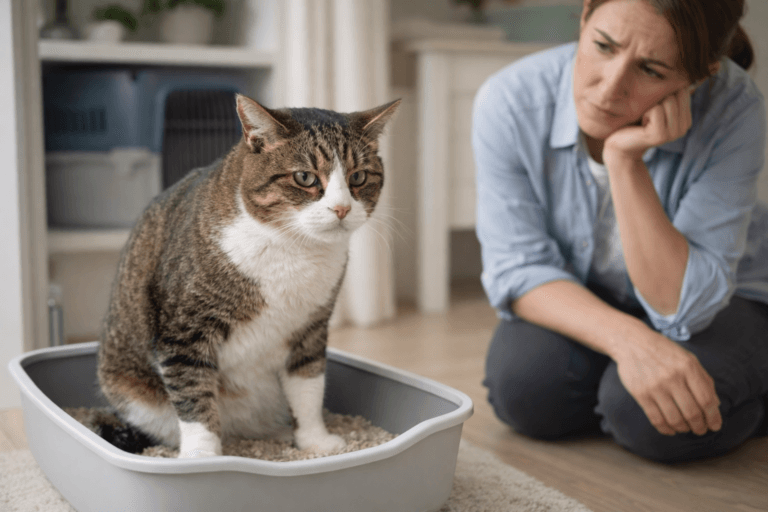
Warning signs include straining to urinate, frequent trips to the litter tray with only a few drops of urine, crying out, blood in the urine or licking the genitals excessively. These cats should be seen urgently; your detailed guide on urinary blockage in cats is an excellent resource for owners.
5. Digestive Upsets
Most Ragdoll cats have normal digestion, but any cat can develop vomiting, constipation or diarrhoea due to diet changes, hairballs, infections, stress or underlying illness.
- For vomiting guidance and home care tips, refer readers to home treatment for cat vomiting.
- For loose stools, the article on cat diarrhoea: causes and treatment is helpful.
- If the cat stops eating, your article on why a cat is not eating explains red-flag signs and when to seek urgent care.
6. Infectious Diseases
Ragdoll cats are not immune to common feline viruses such as panleukopenia, calicivirus or herpesvirus. Indoor cats are still at risk if unvaccinated. Following a sensible vaccination schedule is vital for long-term health.
For practical vaccination advice, readers can follow your detailed cat vaccination schedule 2025, which covers indoor and outdoor cats, costs and possible side effects.
Preventive Care Schedule for a Ragdoll Cat
Good preventive care is usually easier and cheaper than dealing with emergencies later. A typical schedule for a healthy Ragdoll cat might include:
- Kitten checks – health exams, parasite control and vaccinations every 3–4 weeks until around 16 weeks of age; spay/neuter around 5–6 months or as advised by your vet. New owners can also review your kitten guide for first-time owners.
- Adult cat wellness visits – at least once a year for a physical exam, booster vaccines as needed and weight check.
- Senior Ragdoll cats – from around 8–10 years, many vets recommend twice-yearly check-ups with blood and urine tests to catch kidney, thyroid or heart disease early.
- Parasite control – regular deworming and flea/tick prevention tailored to your area and lifestyle. Your complete deworming and parasite control guide gives a helpful overview.
- Dental care – daily tooth brushing if possible, plus dental diets, chews or professional cleaning as advised.
For emergencies such as poisoning, falls or traffic accidents, your article on emergency first aid for dogs and cats and your cat poisoning emergency guide are excellent resources to link from a “save this for later” box.
As a practical example, a middle-aged Ragdoll cat seen at General Veterinary Hospital Lahore for a routine check-up had mild heart changes picked up on examination and ultrasound before any symptoms developed. With early monitoring and weight management, the cat stayed comfortable at home for years. Early checks really do make a difference.
Ragdoll Cat Lifespan and Quality of Life
With good care, many Ragdoll cats live into their early to mid-teens, and some reach 15 years or more. Genetics, diet, indoor safety and regular vet care all influence lifespan.
To give your Ragdoll cat the best chance of a long, comfortable life:
- Keep them at a healthy weight.
- Provide regular preventive vet care and screening for heart and kidney problems, especially in middle age.
- Ensure good dental care and a high-quality diet.
- Offer daily play and mental stimulation to prevent boredom and stress.
How Much Does a Ragdoll Cat Cost?
The cost of a Ragdoll cat varies widely depending on your country, whether you adopt or buy from a breeder, and whether the cat has show or breeding potential.
Initial Purchase or Adoption Cost
- Pedigree Ragdoll kittens from reputable breeders – often several hundred to over a thousand US dollars equivalent, depending on quality and region.
- Rescue or adoption – adoption fees are usually lower but may still include vaccination, microchipping and neutering.
One-Time Setup Costs
- Spay or neuter surgery (if not already done).
- Initial vaccinations and health checks (see your cat vaccination schedule for typical protocols and costs).
- Microchipping, especially for indoor cats who might escape.
- Large litter trays, scratching posts, carrier, food and water bowls, grooming tools and toys.
Monthly and Yearly Costs
On an ongoing basis, owning a Ragdoll cat usually includes:
- Quality cat food appropriate for their size and life stage.
- Cat litter and replacement scratching posts over time.
- Routine parasite control and annual vet visits.
- Optional pet insurance or a dedicated savings fund for emergencies.
Because breeds like the Ragdoll cat may be at higher risk for certain inherited conditions, it is wise to budget for unexpected vet bills such as heart scans, treatment for urinary blockage or hospitalisation for severe illnesses. Articles like your cat poisoning emergency guide, urinary blockage in cats and FIP in cats help owners understand why setting aside an emergency fund is so important.
Is a Ragdoll Cat Right for You?
Before committing to a Ragdoll cat, honestly assess your lifestyle and expectations. This breed is wonderful in the right home but not perfect for everyone.
Great Reasons to Choose a Ragdoll Cat
- You want an affectionate, people-focused indoor cat who enjoys being near you.
- Your home is relatively calm, with gentle children or pets who can learn to respect a cat’s boundaries.
- You are happy to brush your cat several times a week and keep on top of litter tray hygiene.
- You can budget for regular vet care and are prepared for possible heart or kidney screening later in life.
Reasons to Consider Another Breed or a Mixed-Breed Cat
- You prefer very independent cats who spend most of their time outdoors.
- You cannot safely keep a cat indoors or in a secure garden (Ragdoll cats are not street-wise).
- You are not able to lift or handle a large, heavy cat.
- Your budget is very limited and you would struggle with potential long-term medical costs.
If you simply love longhaired or semi-longhaired cats but are flexible on breed, you might also enjoy reading your breed guides on the Norwegian Forest cat or the popular tuxedo cat.
When to See a Vet Urgently
Because Ragdoll cats are calm and sometimes hide pain, owners must watch carefully for subtle changes. Contact your vet or an emergency clinic if your Ragdoll cat shows any of the following:
- Rapid or difficult breathing, open-mouth breathing or blue-tinged gums.
- Sudden hind-leg weakness or paralysis.
- Repeated vomiting, especially if the cat is lethargic or unable to keep water down.
- Straining in the litter tray without producing urine, or crying out when urinating.
- Complete loss of appetite for more than 24 hours.
- Collapse, seizures or extreme weakness.
- Evidence of poisoning (chewing plants, chemicals or medications) – see your cat poisoning emergency guide.
For milder but persistent issues like weight gain, coat changes, increased thirst or behaviour changes, gentle educational pieces such as your article on cats hiding pain can encourage early vet visits before diseases become advanced.
Ragdoll Cat Care Checklist
To finish, here is a quick care checklist you can save or print:
- Choose a Ragdoll cat from a responsible breeder or reputable rescue with clear health information.
- Keep your cat indoors or in a secure outdoor enclosure for safety.
- Feed a balanced diet in measured portions and monitor body weight.
- Brush the coat at least 2–3 times per week and trim claws regularly.
- Provide large litter trays, multiple resting spots and daily interactive play.
- Follow a sensible vaccination and parasite-control schedule as advised by your vet.
- Ask about heart and kidney screening, especially as your Ragdoll cat gets older.
- Have a written plan for emergencies; keep the number and address of your nearest 24-hour vet easily accessible.
Get More Vet-Approved Cat Advice
Caring for a Ragdoll cat is incredibly rewarding, but it comes with responsibilities. To make cat health decisions easier, explore the in-depth articles already on this site, including:
You can also browse the many educational posts on cat behaviour, emergencies and everyday care starting from the Vet & Pet Health Guide home page.
Download the Dog & Cat Health Guidebook
If you like having everything in one place, look for the “Dog & Cat Guide Books” section in the site menu. Your clinic’s comprehensive health guidebooks cover vaccines, diet, emergencies and step-by-step home care for common problems in dogs and cats, including Ragdoll cats.
Need Personalised Help for Your Ragdoll Cat?
Worried about your Ragdoll cat’s symptoms, behaviour or diet?
Book an online consultation with a veterinarian to discuss your cat’s case, review test results and get a personalised treatment plan.
(If you have a dedicated Online Vet Consultation page, you can update this button’s link to that URL in WordPress.)
With thoughtful care, early health checks and plenty of affection, your Ragdoll cat can be a calm, loving member of the family for many years to come.



I appreciate how clearly you broke down the real-life needs of Ragdolls, especiallyRagdoll Cat Blog Comment their size and the importance of regular vet care—people often underestimate that because the breed seems so laid-back. I’ve noticed that their strong attachment to humans can be wonderful but also means they don’t do well with long hours alone, so it’s great that you highlighted their people-oriented nature. This guide feels like a solid reality check for anyone considering the breed.
As someone who’s been considering adding a Ragdoll to my family, I appreciated how the post highlighted their gentle, people-pleasing nature—especially the part about them often following owners from room to room. It really reinforces why they’re such a great fit for families. I also found the note about their size and health needs helpful, as it sets realistic expectations for potential owners.