
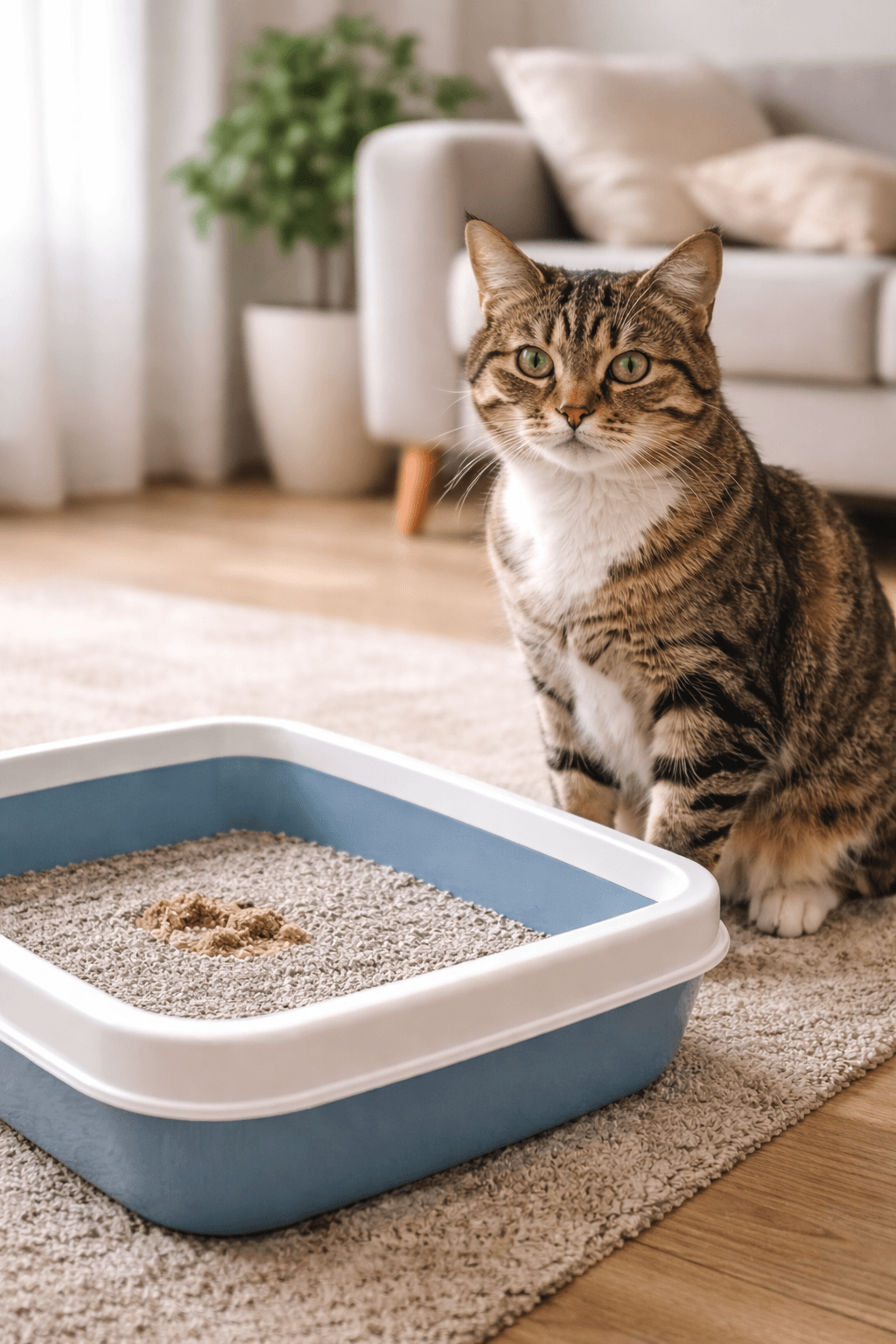
Cat diarrhea is one of the most common reasons pet parents call or visit their veterinarian. A single soft stool may not be an emergency, but frequent, watery, or bloody diarrhea can quickly lead to dehydration and may be a sign of a serious underlying disease. This vet-approved guide explains what cat diarrhea is, the most common causes, what you can safely do at home, and when your cat needs urgent veterinary care.
What Is Diarrhea in Cats?
Diarrhea means stools that are softer, wetter, or more frequent than normal. A healthy cat usually passes firm, shaped stools once or twice a day. With diarrhea, the stool may be soft, mushy, watery, or completely liquid. You may also notice more volume, more frequent trips to the litter tray, or accidents outside the box.
Veterinarians often describe diarrhea as:
- Acute diarrhea: Starts suddenly and lasts a few days or less.
- Chronic diarrhea: Lasts more than two to three weeks, or keeps coming back.
- Small-bowel diarrhea: Large volumes of stool, less frequent, often with weight loss or vomiting.
- Large-bowel (colitis) diarrhea: Frequent small amounts, mucus, straining, sometimes fresh red blood.
You do not have to know which type your cat has to seek help, but knowing how long the diarrhea has been going on and what the stool looks like will help your vet find the cause more quickly.
When Is Cat Diarrhea an Emergency?
Diarrhea can become dangerous very quickly, especially for kittens, senior cats, and cats with other health problems such as kidney disease or diabetes. Contact a veterinarian immediately or seek emergency care if you notice any of the following:
- Diarrhea with vomiting, especially if your cat cannot keep water down.
- Stools that are very watery or look like brown water.
- Blood in the stool (bright red or dark, tarry stools).
- Severe lethargy, weakness, or collapse.
- Painful abdomen, crying when touched, or hiding more than usual.
- Diarrhea in a kitten, very small adult cat, or frail senior cat.
- Signs of dehydration: dry gums, sunken eyes, skin that does not spring back when gently lifted.
- Diarrhea that continues for more than 24 hours, even if your cat seems bright.
If your cat has both diarrhea and vomiting, you may also want to review our guide on why some cats stop eating and when to worry, as anorexia plus diarrhea can quickly become dangerous.
Common Causes of Diarrhea in Cats
There are many reasons a cat can develop diarrhea, ranging from simple dietary upsets to serious systemic diseases. Often, the cause falls into one of the categories below.
Cat diarrhea: 1. Sudden Diet Changes or Food Intolerances
Cats have sensitive digestive systems. A sudden change from one food to another, raiding the trash, eating table scraps, or stealing the dog’s food can all trigger diarrhea. Some cats also have intolerances or allergies to certain proteins (for example chicken or fish), dairy products, or ingredients such as soy or gluten.
Signs that food may be involved include:
- Diarrhea shortly after switching foods.
- Gas, bloating, or noisy intestines.
- Soft stools that improve on a bland or limited-ingredient diet.
- Itchy skin or chronic ear problems together with digestive issues.
If you are interested in diet in more detail, you can also read our complete cat nutrition guide and our article on homemade cat food and when DIY diets can be risky.
2. Parasites (Worms and Protozoa)
Intestinal parasites are a very common cause of diarrhea in kittens and outdoor cats. Roundworms, hookworms, tapeworms, Giardia, and coccidia can all irritate the intestines and cause soft or watery stools. Some parasites are visible to the naked eye, but many are microscopic and require a fecal test to diagnose.
Clues that parasites might be involved include:
- Adopted or rescued kittens and young cats.
- Cats that hunt, roam outdoors, or share litter trays with multiple cats.
- Weight loss, a pot-bellied appearance, or a dull coat.
- Occasional worms or “rice grains” seen around the anus or in the stool.
Routine deworming and fecal checks are important for both your cat’s health and human family members, as some parasites can be transmitted to people.
3. Infections (Viral, Bacterial, and Fungal)
Infectious diseases such as feline panleukopenia (parvovirus), feline coronavirus, feline calicivirus, and certain bacterial infections (Salmonella, Campylobacter, Clostridium) can cause diarrhea. Many of these infections also cause vomiting, fever, and a very sick cat.
Vaccination and good hygiene reduce the risk, but young, unvaccinated, or stressed cats are more vulnerable. If your cat has diarrhea plus fever, poor appetite, or mouth ulcers, your vet may test for infectious diseases and may hospitalize your pet for intensive care.
For example, if diarrhea occurs together with mouth ulcers or respiratory signs, your vet may also consider viral diseases such as feline calicivirus.
4. Toxins, Medications, and Foods That Are Not Safe for Cats
Some human foods, medications, and household chemicals can irritate the intestines or damage other organs, leading to diarrhea. Examples include certain human painkillers, spoiled food, poisonous plants, and fatty foods such as bacon or fried meat.
If you suspect your cat has eaten something unsafe or taken a human medication, contact your veterinarian or a pet poison helpline immediately. Do not wait for the diarrhea to “settle down on its own.”
5. Chronic Intestinal Diseases
Diarrhea that has been going on for weeks or months is more likely related to a chronic intestinal disease. Common examples include inflammatory bowel disease (IBD), food-responsive enteropathy, intestinal lymphoma (a type of cancer), and chronic infections. These conditions often need more advanced testing such as ultrasound, blood work, and sometimes biopsies.
Cats with chronic intestinal disease may also have weight loss, changes in appetite, coat quality issues, or recurrent vomiting. If your cat’s diarrhea keeps returning or never fully resolves, a long-term management plan with your vet is essential.
6. Diseases Outside the Gut (Systemic Causes)
Not all diarrhea starts in the intestines. Diseases affecting other organs can also cause loose stools. Important examples include:
- Hyperthyroidism: Overactive thyroid in older cats can cause weight loss, increased appetite, and diarrhea.
- Pancreatitis: Inflammation of the pancreas can lead to abdominal pain, vomiting, and diarrhea.
- Liver disease: Bile acids are needed for fat digestion; liver problems can produce greasy or pale stools.
- Kidney disease: Some cats with chronic kidney disease develop diarrhea due to toxins and changes in gut motility.
- Stress and pain: Stressful events such as moving house, a new pet, or a painful condition can trigger stress-related diarrhea.
If your cat already has a chronic condition such as kidney disease and now has diarrhea, speak to your vet promptly, as your cat may be at higher risk of dehydration and electrolyte imbalances.
Cat Diarrhea in Kittens vs Adult Cats
Kittens are especially vulnerable to diarrhea. Their small bodies lose fluid quickly, and they are more likely to have parasites or viral infections. Any kitten with diarrhea that lasts more than 12–24 hours, or a kitten that seems sleepy, refuses food, or has bloody stool, should be examined by a veterinarian as soon as possible.
Adult cats are a bit more resilient, but persistent or severe diarrhea is still not normal. In senior cats, diarrhea is an important warning sign that may indicate diseases such as hyperthyroidism, intestinal cancer, or organ failure.
Safe Home Care for Mild Cat Diarrhea
If your adult cat is bright, playful, drinking normally, and has only mild, non-bloody diarrhea, you can start with careful home care for 24 hours while monitoring closely. The steps below are general suggestions and do not replace personalised veterinary advice.
1. Offer Water and Encourage Hydration
Always provide fresh, clean water. Cats with diarrhea lose both water and electrolytes. To encourage drinking you can:
- Offer a water fountain if your cat likes running water.
- Add a second water bowl in a quiet location.
- Offer low-sodium chicken or fish broth made without onions, garlic, or seasoning.
- Feed wet (canned) food for extra moisture if your cat is still eating.
2. Consider a Short Bland Diet Trial
For some cats, a temporary bland diet may help settle mild diarrhea caused by a dietary upset. Examples of bland options (if your vet agrees) include:
- Veterinary prescription gastrointestinal diet.
- Cooked plain chicken or turkey breast with a small amount of white rice.
Feed small frequent meals and transition back to the normal food slowly over three to five days once stools improve. If your cat has known food allergies, kidney disease, or other medical conditions, ask your vet before changing the diet.
3. Probiotics and Gut Support
Veterinary probiotics designed for cats can help restore healthy gut bacteria. Choose products with specific feline strains and follow label directions. Never give human probiotic capsules without checking with your vet, as the dose and strains may not be appropriate.
4. Litter Tray Hygiene and Monitoring
Keep litter trays very clean so you can monitor the amount and appearance of stool. If you have multiple cats, try to separate the affected cat into a room with its own litter tray for 24–48 hours so you know exactly what is coming from which cat.
What You Should Not Do for Cat Diarrhea at Home
Some well-intentioned home treatments can actually make cat diarrhea worse or hide a serious problem. Avoid the following unless specifically prescribed by your veterinarian:
- Human anti-diarrhea medications: Products containing loperamide, bismuth subsalicylate, or other human drugs can be toxic or dangerous for cats.
- Over-the-counter dog medications or herbal “cures”: Cats metabolise drugs very differently from dogs and people.
- Starving your cat for longer than 12 hours: Short fasts may be appropriate in some cases, but prolonged food withholding can lead to liver problems, especially in overweight cats.
- Home dewormers bought without diagnosis: Many only treat certain worms and may miss the real cause. Using the wrong product can delay proper treatment.
- Switching foods repeatedly: Constantly changing diets can further upset the gut. Follow a structured plan with your vet instead.
If you are ever unsure whether it is safe to manage your cat at home, it is always better to call your vet or use an online vet consultation service for tailored advice.
When to See a Vet About Cat Diarrhea
Even if your cat does not seem critically ill, you should schedule a veterinary visit in the following situations:
- Diarrhea that lasts more than 24 hours, even if mild.
- Recurring bouts of diarrhea over several weeks or months.
- Diarrhea combined with weight loss, changes in appetite, vomiting, or increased thirst.
- Any episode of diarrhea in a kitten, senior cat, or cat with existing health problems.
- Presence of blood, mucus, or black tarry stool.
- Large volumes of watery stool or accidents outside the litter tray.
Early veterinary attention often means shorter illness, less risk of complications, and lower overall cost compared with waiting until your cat is very sick.
How Vets Diagnose the Cause of Cat Diarrhea
At the clinic, your veterinarian will start with a detailed history and physical examination. Be prepared to answer questions about your cat’s diet, recent changes, indoor/outdoor access, other pets, travel history, and any medications or supplements. Bringing a fresh stool sample in a sealed container is very helpful.
Depending on your cat’s age and symptoms, your vet may recommend:
- Fecal tests: Microscopic examination, flotation tests, and antigen tests to look for worms, Giardia, and other parasites.
- Blood tests: To assess hydration, organ function, thyroid levels, and inflammatory markers.
- Urine tests: To evaluate kidney function and rule out other systemic problems.
- Imaging: X-rays or ultrasound to check for foreign bodies, tumors, thickened intestines, or enlarged lymph nodes.
- Specific infectious disease tests: For example, tests for feline leukemia virus (FeLV), feline immunodeficiency virus (FIV), or parvovirus.
- Endoscopy or biopsies: In some chronic cases, small samples of intestinal tissue are needed to distinguish between inflammatory bowel disease and cancer.
If you would like to read more about how veterinarians approach diarrhea in cats, reputable resources such as the Merck Veterinary Manual and the Cornell Feline Health Center provide excellent professional overviews.
Treatment Options for Cat Diarrhea
Treatment depends on the underlying cause and the severity of your cat’s condition. Common components of therapy include:
- Fluid therapy: Oral, subcutaneous, or intravenous fluids to correct dehydration and electrolyte imbalances.
- Anti-nausea medications: To control vomiting and help your cat feel well enough to eat.
- Dietary management: Prescription gastrointestinal diets, novel protein or hydrolysed diets, or high-fibre diets depending on the diagnosis.
- Antiparasitic drugs: Dewormers or specific treatments for Giardia and coccidia.
- Antibiotics: Used only when there is strong evidence of bacterial infection or risk of sepsis.
- Probiotics and gut-protective supplements: To support the intestinal barrier and microbiome.
- Anti-inflammatory or immune-modulating drugs: For inflammatory bowel disease or certain chronic conditions.
- Cancer therapy: Chemotherapy, steroids, or surgery in cases of intestinal lymphoma or other tumours.
Your vet will create a tailored plan and explain which signs should prompt a recheck. Never stop prescribed medications early without discussing it, even if stools look normal, as some conditions relapse when treatment is shortened.
Can Cat Diarrhea Be Prevented?
Not every episode of cat diarrhea can be prevented, but you can significantly reduce the risk with good daily care:
- Feed a high-quality, complete cat food appropriate for your cat’s life stage and health.
- Avoid frequent diet changes; when needed, transition slowly over 7–10 days.
- Do not give human food scraps, especially fatty or spicy foods.
- Follow a regular deworming and parasite-prevention plan recommended by your vet.
- Keep vaccinations up to date, particularly for kittens and outdoor cats.
- Provide clean litter trays, fresh water, and reduce stress with hiding spots, vertical spaces, and predictable routines.
- Schedule routine health checks so problems such as hyperthyroidism or kidney disease are detected early.
For broader preventive care tips, you may find our kitten care guide and cat nutrition guide helpful.
Real-Life Example: When Diarrhea Meant More Than an Upset Stomach
At General Veterinary Hospital Lahore, we once treated a middle-aged cat who had “on and off” diarrhea for several months. His owners assumed it was due to occasional diet changes and had tried multiple foods and home remedies. When he finally came in, he had lost significant weight, and blood tests plus ultrasound showed chronic inflammatory bowel disease with early intestinal lymphoma. With a structured treatment plan, prescription diet, and regular monitoring, his stools improved and he regained weight, but the case highlighted how important it is not to ignore long-lasting diarrhea.
This story is not meant to worry you but to encourage early evaluation if your cat’s diarrhea keeps returning or is accompanied by other changes such as weight loss or reduced energy.
Warning Signs That Your Cat’s Diarrhea Is Not Improving
Contact your vet again or seek urgent care if, despite treatment or home care, you notice:
- Diarrhea that becomes more frequent or watery.
- New vomiting, poor appetite, or refusal to eat.
- Blood appearing in the stool for the first time.
- Signs of pain, hiding, or vocalising in the litter tray.
- Weight loss, dull coat, or general decline over days to weeks.
Trust your instincts: if your cat looks worse, even if you cannot pinpoint exactly why, it is safer to call your vet.
Need Personalised Help with Cat Diarrhea?
Every cat is different. Age, diet, lifestyle, and underlying health problems all influence why your cat has diarrhea and how it should be treated. If you are unsure whether it is safe to wait, or if you want a vet to review your cat’s diet, lab results, or treatment plan, professional guidance can save you a lot of worry.
Worried About Your Cat’s Diarrhea?
If your cat has loose stools, recurring diarrhea, or other digestive issues, consider booking an online consultation with a veterinarian. You can ask detailed questions, share photos or videos of the litter tray, and receive a personalised plan for diagnostics, diet, and follow-up care.
Cat and Dog Health Guides
If you enjoy in-depth, vet-written content like this, you may also benefit from our cat and dog health guidebooks. They bring together practical advice on nutrition, emergency first aid, behaviour, and chronic diseases, all in one place, so you can feel more confident caring for your pets at home and know when it is time to see a vet.
Combined with your veterinarian’s guidance, these resources can help you stay one step ahead of common problems like cat diarrhea, vomiting, kidney disease, and more.
Key Takeaways
- Cat diarrhea is a symptom, not a diagnosis. It can range from a simple dietary upset to serious disease.
- Seek urgent veterinary help if there is blood, severe watery diarrhea, vomiting, lethargy, or diarrhea in kittens or frail cats.
- Safe home care focuses on hydration, gentle diet changes, and monitoring – never human medications.
- Persistent or recurrent diarrhea always deserves a veterinary work-up to find and treat the underlying cause.
- Early action and professional guidance give your cat the best chance of a quick, comfortable recovery.
If you are currently dealing with cat diarrhea, you are not alone. With careful observation at home and support from your veterinary team, most cats can recover well and return to their normal, happy routines.


9 Comments