

Tortoiseshell cats – often called “torties” – are famous for their striking patchwork coats and big personalities. If you share your home with a tortoiseshell cat (or you are thinking about adopting one), this detailed, vet-approved guide will help you understand their personality, genetics, daily care and common health issues.
This article is written for a global audience of cat parents and based on current veterinary knowledge and feline behaviour research.

What is a tortoiseshell cat?
To compare a coat pattern with an individual breed, explore our Bombay cat care and health guide.
A tortoiseshell cat is not a specific breed. It is a coat colour pattern that combines two main colours – usually black (or chocolate, grey, blue) and orange (or cream, red). The colours are marbled, mottled or streaked together rather than appearing in big, clear patches like a calico cat.
- Typical colours: black + orange, chocolate + red, blue/grey + cream.
- Patterns: finely speckled, big patches, or “torbie” (tortoiseshell + tabby stripes).
- White fur: a true tortoiseshell has little or no white; if there is a lot of white, the cat is usually classed as calico.
Many different breeds and mixed-breed cats can have tortoiseshell coats, including domestic short-hair and long-hair cats. Because it is only a pattern, you can find tortoiseshell cats with very different body shapes and personalities.
Why are most tortoiseshell cats female?
You may have heard that almost every tortoiseshell cat is female – and that is true. The reason lies in coat colour genetics. The gene that controls orange/black colouring in cats sits on the X chromosome. Female cats have two X chromosomes (XX), while male cats have one X and one Y (XY).
To be a tortoiseshell cat, a kitten needs to carry both the “orange” and the “non-orange” versions of this gene. Because females have two X chromosomes, they can easily inherit one of each. Their cells randomly switch off one X chromosome in each patch of skin, creating the mosaic tortoiseshell pattern.
Male cats, with only one X chromosome, are normally either entirely orange/ginger or not orange at all. A male tortoiseshell cat is possible but extremely rare. It usually means the cat has an unusual chromosome combination (XXY) or chimerism (two embryos fused into one kitten). These males are often sterile and may have other health issues, so they are the exception, not the rule.
Tortoiseshell cat personality (“tortitude”) – myth vs reality
Cat lovers often say tortoiseshell cats have “tortitude” – a bigger, spicier, more dramatic personality than other cats. Many guardians describe their tortoiseshell cat as:
- Very affectionate with their favourite people but picky about strangers
- Talkative, opinionated and quick to complain if something is “wrong” in their world
- Playful and energetic, with sudden zoomies and pouncing behaviour
- A little stubborn – they like things their own way
These stories are fun, but what does science say? Behaviour studies suggest that coat colour alone does not reliably predict personality or aggression; a cat’s behaviour is shaped far more by genetics unrelated to colour, early socialisation, environment, health and individual experience.
In other words, your tortoiseshell cat may have big tortie energy – or she may be calm and shy. Both are normal. The safest approach is to treat “tortitude” as a fun nickname rather than a strict rule.
What you can expect from a tortoiseshell cat
Even if colour doesn’t control personality, many tortoiseshell guardians notice a few common themes:
- Strong bonds with their person: tortoiseshell cats often attach closely to one or two humans and may follow them from room to room.
- Clear body language: they tend to “speak with their tail and ears”, making it easier (and sometimes louder!) to know when they’re happy, worried or annoyed.
- High intelligence: many torties love puzzle feeders, new toys and training. Some can learn tricks such as high five, sit, or walking on a harness.
- Sensitivity to routine changes: because they notice everything, changes in schedule, furniture or visitors can make them stressed if changes are sudden.
Whatever your cat’s personality, the key is to give them predictable routines, gentle handling, enrichment and vet-approved healthcare. This helps any cat – tortoiseshell or not – feel safe and relaxed.
Are tortoiseshell cats good pets?
Yes – a healthy, well-socialised tortoiseshell cat can make a wonderful companion. They are often:
- Loyal and people-oriented
- Entertaining and playful
- Visually stunning, which many families love
They may not suit households that want a very quiet, low-interaction cat. If you prefer a more interactive cat who “talks back”, plays and expresses opinions, a tortoiseshell cat can be a perfect match.
Daily care for a tortoiseshell cat
Caring for a tortoiseshell cat is very similar to caring for any other cat. The basics are:
1. Nutrition
Feed a complete, balanced diet appropriate for your cat’s age, health status and activity level. Many tortoiseshell cats are mixed-breed domestic shorthairs, so a high-quality commercial cat food works very well. Avoid feeding only homemade diets unless they are carefully formulated by a veterinary nutritionist.
For a deeper dive into choosing safe diets and portions, see our Complete Cat Nutrition Guide (Vet Approved). If you’re interested in making food at home, read this vet-approved article on safe homemade cat food recipes before changing anything.
2. Fresh water and litter trays
- Offer multiple water bowls or a fountain, especially in multi-cat homes.
- Provide at least one litter tray per cat plus one extra, in quiet, easy-to-reach locations.
- If your tortoiseshell cat suddenly stops using the litter tray or strains to urinate, this can be an emergency – see our guide on urinary blockage in cats.
3. Enrichment and play
Many tortoiseshell cats have high play and hunting drive. Use:
- Wand toys and interactive play sessions daily
- Scratching posts and vertical spaces (cat trees, shelves)
- Puzzle feeders and treat balls
Regular play not only prevents boredom and behaviour problems but also helps you notice early if your cat seems quieter or reluctant to play – an early sign of pain or illness. Our article on subtle signs of pain in cats explains what to watch for.
4. Preventive healthcare
Regardless of coat colour, all cats need routine preventive care:
- Core vaccinations and boosters – review the recommended schedule in our Cat Vaccination Schedule 2025.
- Regular parasite control for worms, fleas and ticks – see our complete deworming and parasite control guide.
- Routine dental checks and tooth-friendly diets or chews.
Common health issues in tortoiseshell cats
There is no strong scientific evidence that tortoiseshell cats, as a group, suffer from completely unique diseases just because of their coat colour. However, they can develop the same medical problems seen in other cats, especially as they age. Look out for:
Kidney disease
Middle-aged and senior cats of all coat colours are at risk of chronic kidney disease. Early signs include increased thirst, increased urination, weight loss and a dull coat. Learn more in our detailed article on cat kidney disease: symptoms, stages and treatment.
Digestive upsets
Occasional vomiting or diarrhoea can happen to any cat, but frequent or severe episodes are a red flag. Useful resources include our guides on cat diarrhoea causes and treatment and home treatment for cat vomiting. Any blood, lethargy, dehydration or pain means your cat needs a vet urgently.
Poisoning and household toxins
Curious tortoiseshell cats can chew plants, human medicines or chemicals. Some of these are highly toxic to cats and can cause seizures, breathing problems or organ failure. Keep dangerous substances away from your cat and review our emergency guide on cat poisoning symptoms and first aid.
Infectious diseases
Outdoor cats or cats that mix with unknown cats are at risk of viral diseases such as feline infectious peritonitis (FIP) and others. Read about FIP in our article FIP in cats: symptoms and management. Keeping vaccines up to date and limiting contact with unknown cats helps protect your tortoiseshell cat.
Behaviour and stress-related problems
Some guardians feel their tortoiseshell cat is “moody” or quick to swat. Often this is actually a sign of fear, pain or stress. Make sure your cat has hiding places, safe high spots, clean litter trays and predictable routines. If your cat suddenly becomes aggressive, hides more, over-grooms or stops eating, speak to a veterinarian promptly.
Real-life example: tortoiseshell cat with subtle kidney disease
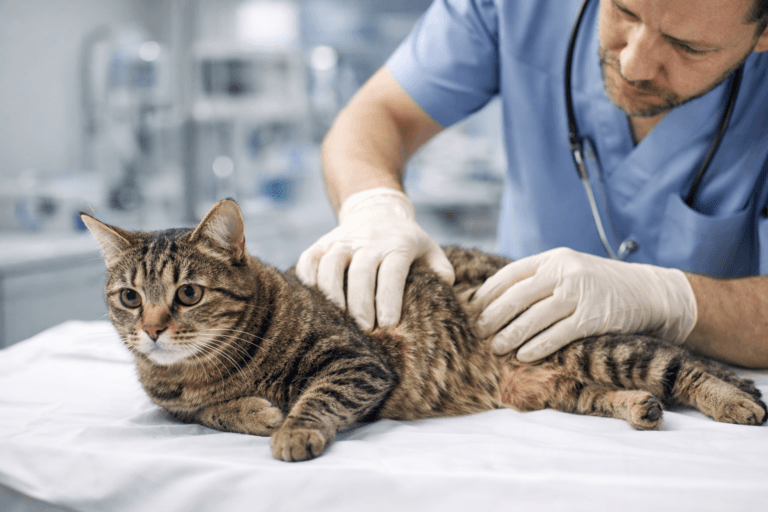
A middle-aged tortoiseshell cat was brought to General Veterinary Hospital Lahore because she seemed “slightly grumpy” and was avoiding her usual playtime. On examination, her vet noticed mild weight loss and dehydration. Blood tests and urine tests showed early chronic kidney disease. With a kidney-friendly diet, careful fluid support and regular check-ups, her energy improved and her condition remained stable for several years.
This example shows how subtle behaviour changes in tortoiseshell cats can be an early warning sign of medical problems. Never ignore small changes in appetite, thirst, weight, grooming or personality.
Grooming and coat care for tortoiseshell cats
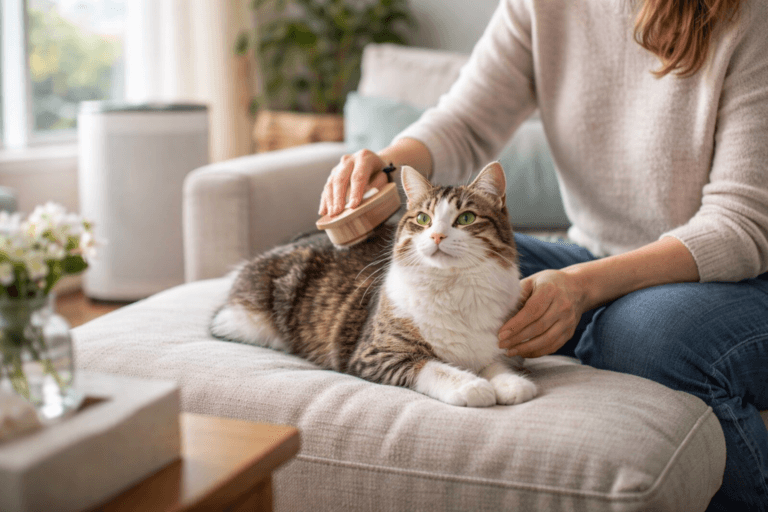
Tortoiseshell cats come in both short-haired and long-haired forms. Their grooming needs depend more on hair length than coat colour.
- Short-haired torties: brush once or twice a week to remove loose hair and reduce hairballs.
- Long-haired torties: daily brushing is ideal to prevent mats and tangles.
- Check the skin during grooming for lumps, scabs, parasites or sore areas.
- Keep nails trimmed, especially for indoor cats who may not wear them down naturally.
If your cat suddenly hates being brushed or touched on a particular area, this can be a clue to pain, arthritis or skin disease and deserves a vet check.
When to see a vet (and when it is an emergency)
Contact your veterinarian or an emergency clinic immediately if your tortoiseshell cat shows any of the following:
- Struggling to urinate, visiting the tray repeatedly with little output
- Open-mouth breathing, severe coughing or difficulty breathing
- Collapse, seizures or inability to stand
- Repeated vomiting, bloody diarrhoea or obvious abdominal pain
- Ingestion or suspected ingestion of poisons, lilies, human medicines or chemicals
For non-emergency but important problems (weight loss, changes in thirst, behaviour changes, ongoing diarrhoea, chronic coughing), book a routine appointment or an online consultation as soon as you can.
Need personalised advice for your tortoiseshell cat?
Every tortoiseshell cat is unique. If your cat has complex medical problems, multiple medications or behaviour changes that worry you, personalised veterinary guidance is the safest option.
An online vet can review your cat’s history, photos and videos, then advise whether you can manage things at home or need an in-person visit.
Free pet health guidebook for cat and dog parents
If you enjoy deep, practical health content like this tortoiseshell cat guide, you’ll love our comprehensive pet health guidebook covering nutrition, vaccination, parasite control, first aid and behaviour for both cats and dogs.
You can start with these in-depth articles from our guide series:
Frequently asked questions about tortoiseshell cats
Are tortoiseshell cats always female?
Almost all tortoiseshell cats are female because the coat colour pattern is linked to the X chromosome. A male tortoiseshell cat is extremely rare and usually has an extra X chromosome (XXY) or other genetic changes.
Are tortoiseshell cats a separate breed?
No. “Tortoiseshell” describes the coat pattern, not the breed. Many different breeds – and mixed-breed cats – can be tortoiseshell, including domestic shorthair, domestic longhair and some pedigree cats.
Are tortoiseshell cats hypoallergenic?
No coat colour or pattern is truly hypoallergenic. Allergies are mainly triggered by proteins in cat saliva and skin, not by fur colour. If you have allergies but love cats, read our article on hypoallergenic cats for practical tips.
How long do tortoiseshell cats live?
The lifespan of a tortoiseshell cat is similar to other cats of the same type and lifestyle. Well-cared-for indoor cats commonly live 14–18 years or more. Diet, preventive care, genetics and indoor safety have a much bigger impact on lifespan than coat colour.
Are tortoiseshell cats more aggressive?
There is no strong scientific proof that tortoiseshell cats are automatically more aggressive. Some studies suggest small differences in reported behaviour between coat colours, but individual personality, early socialisation and environment are far more important.
Can a tortoiseshell cat be male and fertile?
Very rarely, a male tortoiseshell cat may be fertile, but most are sterile because of their unusual chromosome pattern (such as XXY). If you do have a male tortoiseshell cat, he should still be neutered unless your vet advises otherwise, to help reduce spraying, roaming and fighting.
Key takeaways
- Tortoiseshell cats are defined by a beautiful black-and-orange coat pattern, not by breed.
- Most tortoiseshell cats are female due to X-linked coat colour genetics.
- “Tortitude” is a fun nickname, but behaviour depends on personality, socialisation, environment and health.
- Good nutrition, enrichment, parasite control and regular vet checks keep your tortoiseshell cat healthy at every life stage.
- Watch for subtle signs of pain or illness – especially changes in appetite, thirst, weight, grooming, litter habits or usual “tortie” behaviour.



One Comment