
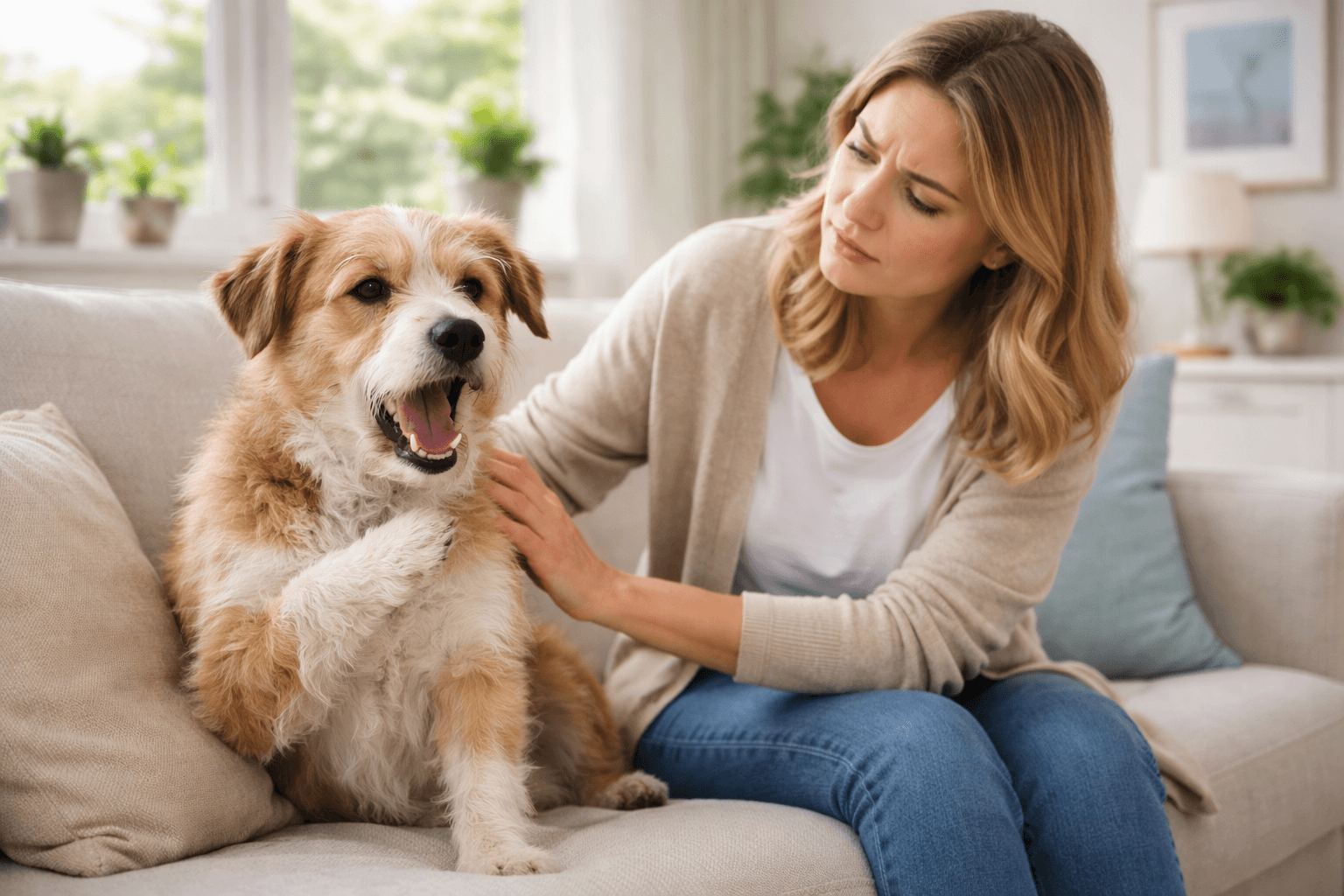
By Dr. Zahid Afzal, DVM – Veterinarian & Pet Health Writer
If your dog has suddenly started making a loud, hacking cough – as if something is
stuck in their throat – it’s natural to worry. One of the most common causes of this
type of cough is kennel cough, now often called
canine infectious respiratory disease complex (CIRDC).
The name sounds scary, but the good news is that most healthy dogs recover well
with the right care. As a veterinarian, I see kennel cough regularly in general
practice and in boarding facilities. This article will walk you through everything
you need to know so you can stay calm and make good decisions for your dog.
We’ll cover:
- What kennel cough actually is (and what it isn’t)
- How dogs catch kennel cough and how contagious it is
- Typical kennel cough symptoms you’ll notice at home
- When it’s safe to monitor at home and when to see a vet urgently
- Vet treatment options and realistic home-care tips
- How long kennel cough lasts and possible complications
- Vaccines and smart prevention strategies
What Is Kennel Cough in Dogs?
Kennel cough is a highly contagious respiratory infection that affects
a dog’s windpipe (trachea) and larger airways. Think of it as the dog
version of a “chest cold” – though in some dogs it can become more serious.
Instead of being caused by one single germ, kennel cough is usually a
mix of viruses and bacteria working together. Common players include:
- Bordetella bronchiseptica (a bacterium – often the main one people mean when they say “kennel cough”)
- Canine parainfluenza virus
- Canine adenovirus type 2
- Other respiratory viruses and sometimes Mycoplasma bacteria
Because multiple germs can be involved, vets now often call it
canine infectious respiratory disease complex (CIRDC), but
“kennel cough” remains the popular term you’ll see online and at boarding centres.
Why is it called “kennel” cough?
Dogs catch kennel cough anywhere that many dogs share the same air:
- Boarding kennels and dog hotels
- Doggy daycare and training classes
- Dog shelters and rescue centres
- Busy grooming salons
- Dog parks, shows, or events
In these situations, even one infectious dog can spread germs quickly through
airborne droplets (from coughing, sneezing, barking) and
contaminated surfaces such as bowls, leashes, or human hands.
How Contagious Is Kennel Cough?
Kennel cough is very contagious. A single coughing dog can spread
germs over several metres, especially indoors with poor ventilation. Dogs can
pick it up by:
- Breathing in droplets from a coughing or barking dog
- Sniffing noses with an infected dog
- Sharing water bowls, toys, bedding, or crates
- Contact with contaminated hands or clothing
Most dogs show symptoms within 3–10 days after exposure, but they
may start shedding germs before they look sick. That’s why outbreaks can be
hard to control in busy facilities.
Dogs at higher risk
- Puppies and seniors (weaker immune systems)
- Dogs with chronic heart or lung disease
- Brachycephalic dogs (short-nosed breeds like Pugs, Bulldogs, Pekingese)
- Dogs under stress: travel, boarding, rehoming, recent surgery or illness
- Unvaccinated dogs or those overdue for boosters
Kennel Cough Symptoms: What You’ll Notice at Home
The classic sign is a loud, dry, hacking cough. Many owners describe
it as:
- “Like my dog has something stuck in his throat”
- “A goose-honk cough”
- “She coughs until she gags or retches white foam”
Common symptoms include:
- Frequent, forceful cough – often worse with excitement, exercise, or pressure on the collar
- Gagging, retching, or bringing up small amounts of frothy fluid
- Mild runny nose or watery eyes
- Slightly decreased energy or appetite (many dogs still seem pretty normal)
- Occasionally a mild fever
Most uncomplicated cases do not involve severe breathing difficulty.
If your dog is struggling to breathe, breathing very fast, or has blue-tinted gums,
that’s an emergency – skip reading and go to your nearest vet clinic immediately.
Signs kennel cough might be turning into pneumonia
Contact your vet urgently if you notice:
- Deep, wet or “phlegmy” cough instead of a dry one
- Fast breathing even at rest
- Effortful breathing – flaring nostrils, belly pumping, open-mouth breathing
- Marked lethargy – your dog won’t get up or play
- Refusal to eat or drink
- High fever, shivering, or collapse
Do I Need to See a Vet for Kennel Cough?
Because kennel cough can look similar to more serious problems (like heart disease,
collapsing trachea, foreign bodies, or pneumonia), I recommend that
most dogs with a new persistent cough be checked by a vet at least once,
especially if:
- The cough has lasted more than 24–48 hours
- Your dog is a puppy, a senior, or has pre-existing heart/lung problems
- There is any difficulty breathing or your dog seems very unwell
- Your dog recently returned from boarding, daycare, or a shelter
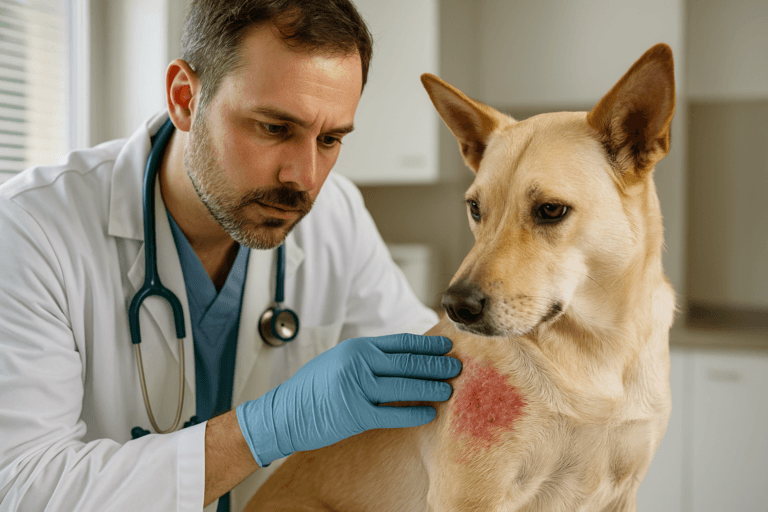
Your vet will take a history, examine your dog’s chest and throat, check the
temperature, and decide whether further tests (like chest X-rays, blood tests, or
swabs) are needed.
How Kennel Cough Is Treated
Treatment depends on how sick your dog is. Many mild cases can be managed as
outpatients with rest and medication; severe cases may need
hospitalisation, oxygen therapy, and intensive care.
1. Mild, uncomplicated kennel cough
For otherwise healthy dogs with a typical dry kennel cough but no fever or breathing
distress, vets often recommend:
- Rest and reduced excitement – over-excitement and exercise trigger more coughing.
- Harness instead of collar – avoid pressure on the trachea.
- Cough suppressants (prescribed) – to make your dog more comfortable and let everyone sleep.
- Sometimes antibiotics – especially if Bordetella is suspected or there is a risk of pneumonia.
- Anti-inflammatory medication if there is throat pain or significant inflammation (never use human meds).
Most uncomplicated cases improve noticeably within 5–7 days and
are largely resolved by 10–14 days, although some dogs keep a faint
cough for a bit longer.
2. Moderate to severe cases
Dogs that are very unwell, have pneumonia, or are at high risk of complications may
need:
- Hospitalisation and intravenous fluids
- More intensive antibiotic therapy
- Oxygen therapy for dogs with breathing difficulty
- Nebulisation or steam therapy performed under veterinary guidance
- Monitoring of oxygen levels, temperature, and chest X-rays
These cases can be serious and sometimes life-threatening, especially for puppies,
older dogs, or those with other illnesses. Quick veterinary care makes a big
difference.
Important safety note
Never give human cough medicines, cold remedies, or painkillers to
your dog unless your vet has specifically told you to use a particular product.
Many human medications are toxic to dogs or require very precise dosing.
Home Care for Dogs with Kennel Cough
Home care is a big part of helping your dog feel better and preventing spread to
other dogs. Along with your vet’s prescribed treatment, you can:
-
Isolate from other dogs – keep your dog away from visitors, dog
parks, classes, and grooming for at least 2 weeks from the start of symptoms or
as advised by your vet. -
Use a harness – switch from neck collar to harness for walks to
avoid triggering the cough. -
Choose shorter, calm walks – unless your vet has recommended
strict rest, allow gentle lead walks but avoid high-intensity play. -
Create a calm home environment – excitement and barking make
coughing worse. -
Offer soft, tasty food and fresh water – some dogs prefer slightly
warmed wet food when their throat is sore. -
Use mild humidification – sitting in a steamy bathroom (not
hot) for 10–15 minutes can sometimes soothe the airways; ask your vet first if
this is suitable for your dog. -
Clean shared items – wash food and water bowls, bedding, and toys
in hot, soapy water; disinfect as your vet recommends.
Keep a simple diary of your dog’s cough frequency, appetite, energy levels, and
breathing. If anything worsens or you feel uneasy, contact your vet for an update
exam.
How Long Does Kennel Cough Last?
In most healthy adult dogs, kennel cough runs its course over about
1–3 weeks. A typical pattern is:
- Days 1–3: Cough starts and quickly becomes more frequent.
- Days 4–7: Cough is at its worst, especially at night or with excitement.
- Days 8–14: Cough gradually becomes less frequent and less intense.
- After 2–3 weeks: Many dogs are back to normal; a faint cough may linger with exertion.
Dogs with pneumonia or other complications may be sick for longer and
need re-checks, repeat X-rays, and extended medication.
Preventing Kennel Cough
You can’t eliminate every risk, but you can significantly reduce the chance
and severity of kennel cough with a few smart steps.
1. Vaccination
There are several types of kennel cough vaccines, usually targeting
Bordetella and sometimes parainfluenza and adenovirus as well. They come as:
- Injectable vaccines
- Intranasal (nose-drop) vaccines
- Oral (by mouth) vaccines
Your vet will recommend a schedule tailored to your dog, but in general:
- Puppies receive a series of vaccines as part of their core puppy shots.
- Dogs who board or attend daycare often need yearly boosters – some facilities require them.
- High-risk dogs may benefit from more frequent boosters; ask your vet.
No vaccine is 100% protective, but vaccinated dogs usually have
milder, shorter illness if they do catch kennel cough.
For a broader overview of dog vaccines and timing, you can also read your clinic’s
dog vaccination guide
(update the link to match your actual page).
2. Choose good facilities
When booking a boarding kennel, daycare, or groomer, ask:
- Do you require Bordetella vaccination?
- How do you handle coughing dogs?
- How do you clean and disinfect runs, bowls, and common areas?
- Is there good ventilation and separation between groups of dogs?
Clean, well-ventilated facilities that enforce vaccination and quickly isolate
sick dogs generally have fewer and milder outbreaks.
3. Everyday hygiene and common sense
- Don’t let your dog share water bowls at dog parks if you can avoid it.
- Ask other owners to keep their distance if their dog is coughing or sneezing.
- Wash your hands after handling a coughing dog before you touch another dog.
- Avoid boarding or daycare if your dog is recovering from any illness.
Frequently Asked Questions About Kennel Cough
Can vaccinated dogs still get kennel cough?
Yes. Vaccination greatly reduces the risk and severity of disease,
but it doesn’t block every possible germ involved in the kennel cough complex.
Vaccinated dogs that do get sick typically have milder symptoms and recover faster
than unvaccinated dogs.
Is kennel cough dangerous?
For most healthy adult dogs, kennel cough is unpleasant but manageable
– similar to a bad cold. However, it can be more serious in puppies, seniors,
brachycephalic breeds, and dogs with underlying heart or lung disease. In those
dogs, complications like pneumonia can be life-threatening, so early veterinary
care is essential.
Can humans catch kennel cough from dogs?
The bacteria and viruses involved in kennel cough are generally adapted to dogs.
Transmission to healthy people is considered very rare. People with
severely weakened immune systems should discuss precautions with their own doctor
and avoid close contact with coughing dogs.
Should I give honey or home remedies for kennel cough?
A small amount of plain honey may soothe the throat in some dogs, but it is not a
treatment for the infection itself. Never give honey to diabetic dogs or puppies
without speaking to your vet. Avoid essential oils, strong vapours, or human cough
mixtures – they can be irritating or toxic.
When can my dog go back to daycare or the dog park?
As a general rule, dogs should stay away from social settings for at least
2 weeks from the start of symptoms and until the cough has fully
resolved. Some facilities have their own policies – always follow your vet’s and
the facility’s guidelines.
Bottom Line: Stay Calm, Call Your Vet, and Isolate Your Dog
Hearing your dog cough is worrying, but most cases of
kennel cough in dogs are treatable and resolve well with sensible
home care and, when needed, medication from your veterinarian.
If your dog has a persistent hacking cough – especially after boarding or visiting
busy dog environments – call your vet, keep your dog away from other
dogs, and follow the treatment plan you’re given. Monitor breathing, appetite, and
energy closely, and seek urgent care if anything suddenly worsens.
With the right support, most dogs are back to their usual happy selves within a
couple of weeks – and a sensible vaccination and prevention plan will reduce the
chances of going through it again.
“`0


This was really helpful! I’ve had to manage a mild case of kennel cough at home before, and I didn’t know when it was time to see the vet. Your breakdown of when to monitor at home vs. seeking veterinary care is very clear!